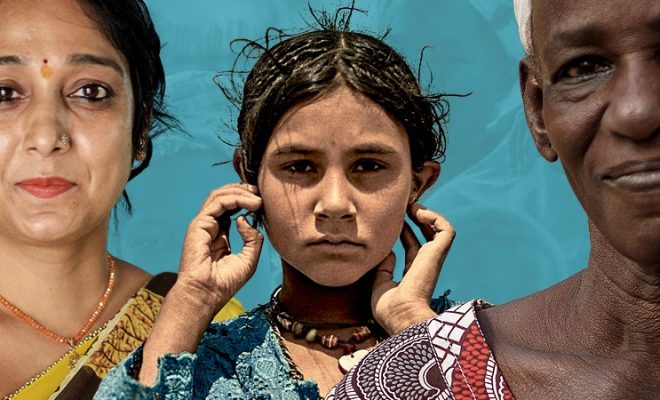
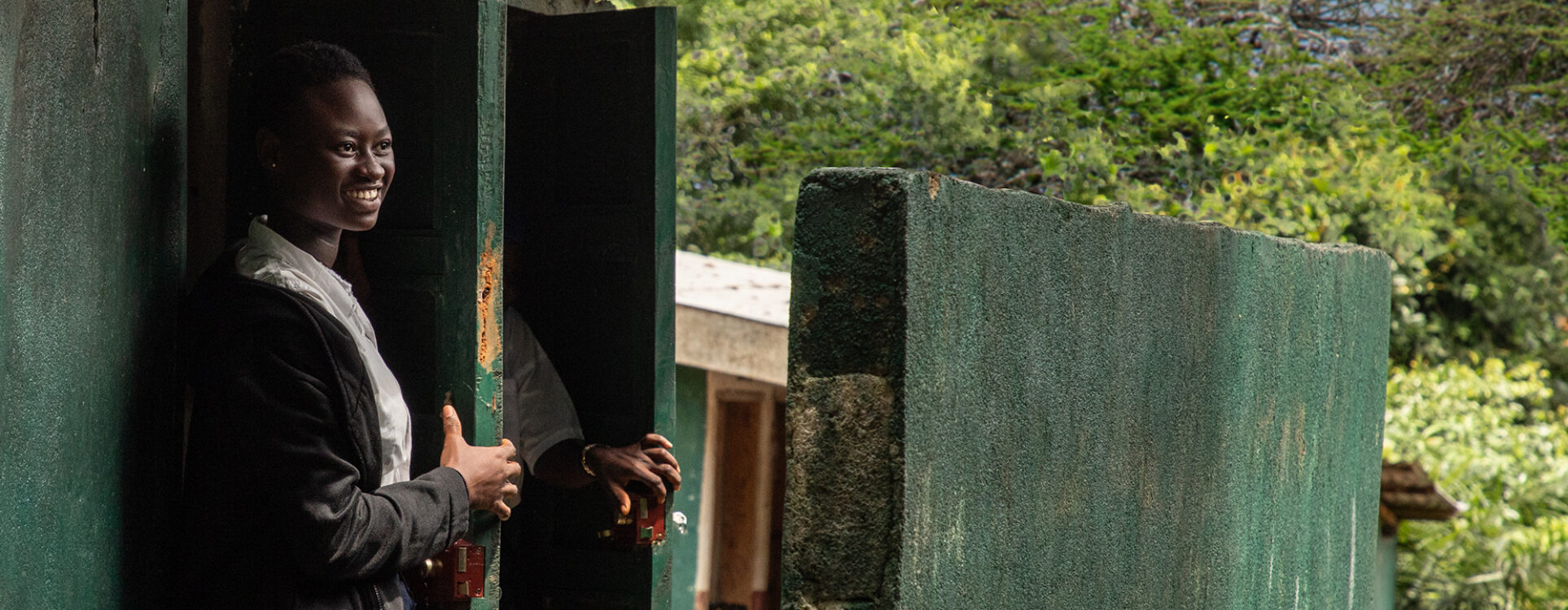
The devastating reality of sanitation in Liberia is hard to take in. The country is experiencing one of the most severe public health crises on the planet. According to the Joint Monitoring Programme (JMP) of UNICEF and the WHO, millions of people lack access to safe facilities, undermining both the health and the dignity of the entire population.
Liberia is among the countries with the highest rates of open defecation: more than one third of its inhabitants (33.9%, around 1.9 million people) have no choice but to use fields, beaches or forests. In addition, almost one in six people (15.7%, about 800,000) rely on precarious facilities that do not guarantee hygiene. Taken together, half of the population lacks even the minimum assurance of a safe place to meet their physiological needs.
In rural areas, the situation is even more dramatic: three out of four inhabitants (74%) have no safe solution at all. This means that around two million people remain exposed every day to unsafe conditions.
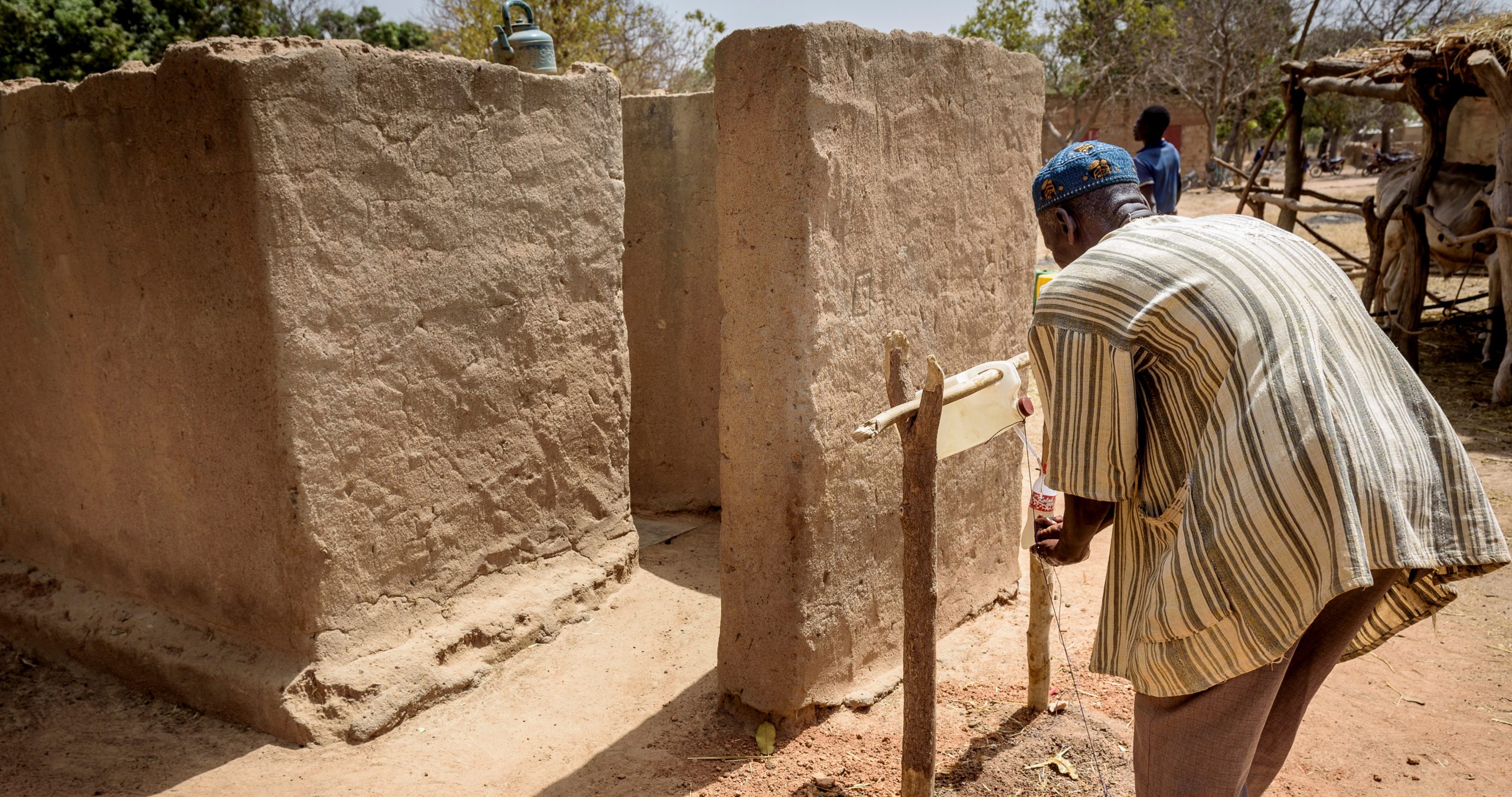
Access to handwashing is equally devastating: three out of four Liberians (72.8%, some four million people) have no facilities for this basic act of hygiene with water and soap. In rural areas, the figure rises to 83%, practically the entire population.
The consequences are evident in schools and health centres: almost half of schools lack basic access to drinking water, and only 27% have adequate sanitation services. In healthcare, barely 3% of centres are equipped with proper facilities. These deficiencies fuel the spread of waterborne diseases, hospital infections, malaria, respiratory problems and malnutrition. They are the main reason why almost one-third of children under five suffer from stunted growth.
Mortality figures are equally alarming: 73 children die before the age of five for every 1,000 live births, and 628 women for every 100,000 deliveries die from causes related to pregnancy or childbirth. Liberia is thus among the countries with the highest risks for mothers and babies, a reflection of severe shortcomings in health, nutrition and sanitation.
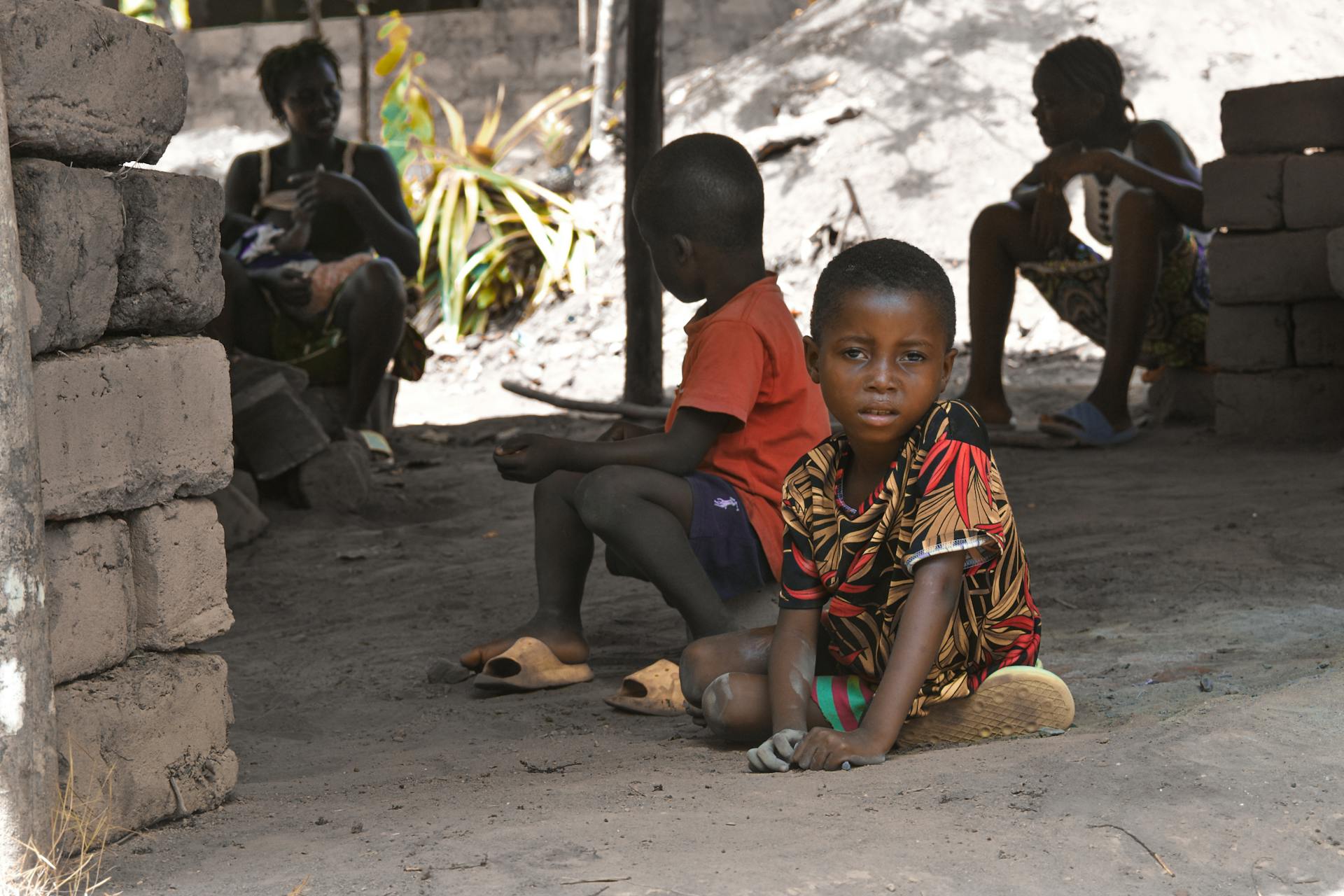
Almost half of Liberians lack safe facilities, and more than one-third still practice open defecation. The consequences are devastating for child and maternal health, education, and the future of the country© aristotle-guweh-jr
The SANTOLIC Alternative
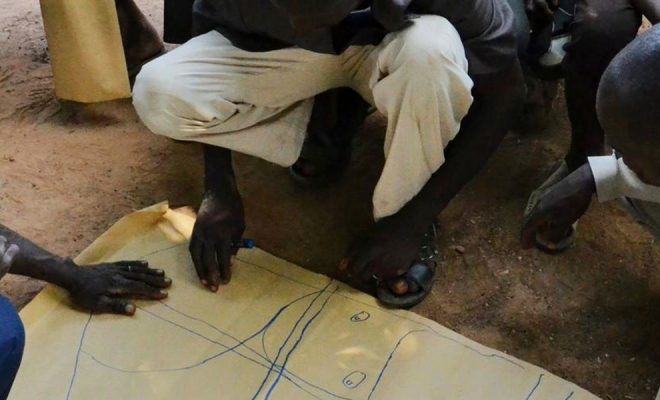
The SANTOLIC approach (Community-Led Total Sanitation) emerged in the early 2000s as an adaptation of the international CLTS (Community-Led Total Sanitation) model, created in Bangladesh and later promoted by UNICEF in various countries. For the past seven years, the Foundation has collaborated with UNICEF in its implementation. In the article The community decides, the community builds, we explain in detail how this approach seeks to ensure that solutions are born and sustained from within the community itself. The aim is for communities to organise themselves to eliminate open defecation, relying on collective awareness and social pressure as drivers of change.
Poor sanitation is not only a matter of infrastructure, but also of culture, education and sustainability. Many attempts to install community latrines have largely failed due to insufficient maintenance and local ownership. In 2018, the Foundation began a collaboration with UNICEF in Burkina Faso, successfully eradicating open defecation in the province of Sissili. The success of this intervention demonstrated the effectiveness of the method and enabled the Government and the national guidelines to expand the results.
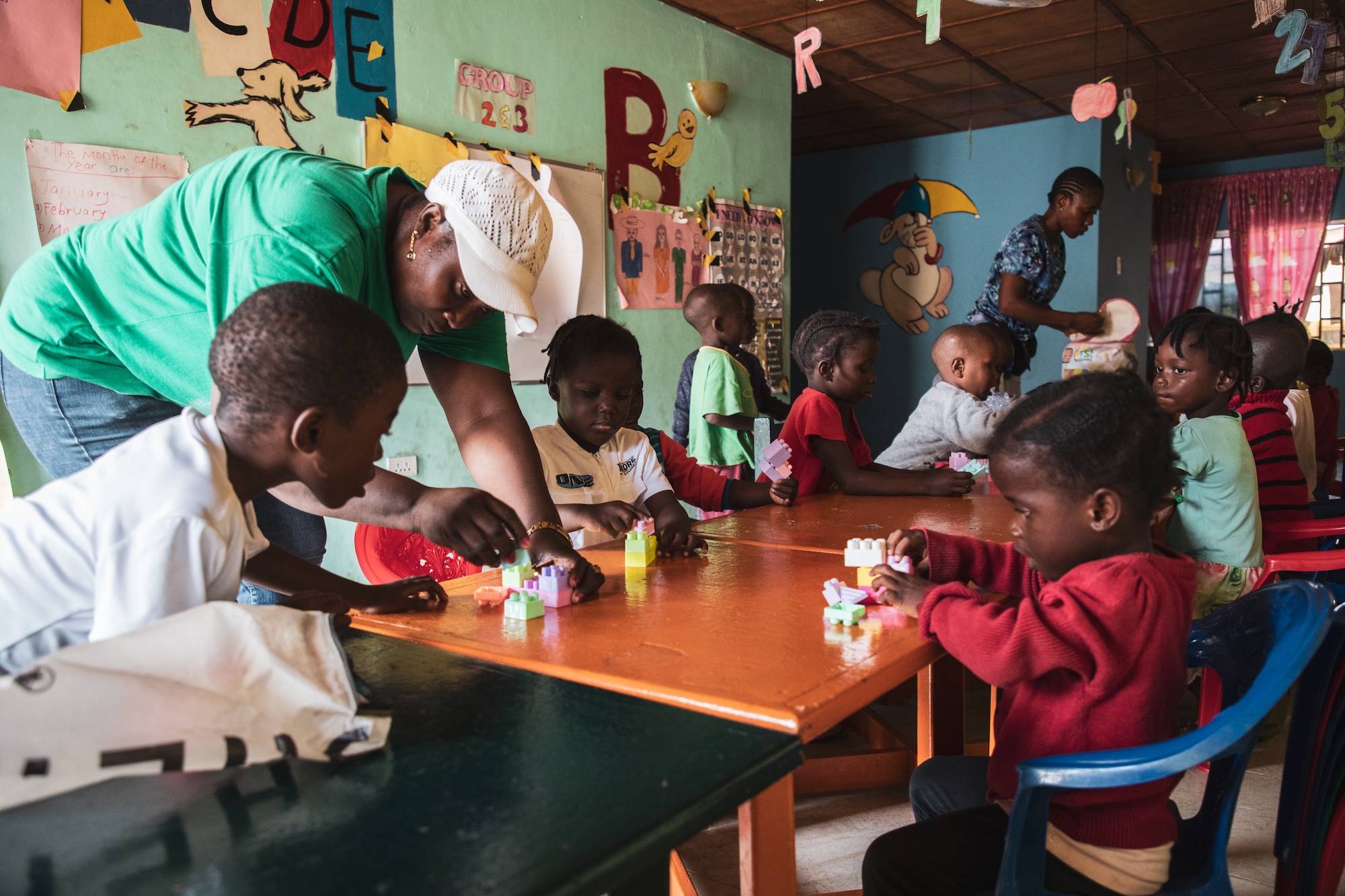
In this context, the Foundation and UNICEF have launched a pilot project in Liberia to boost rural sanitation through the SANTOLIC model and a sustainable sanitation ecosystem to improve child health and women’s empowerment. © UNICEF
The challenges of long-term sustainability
In 2009, UNICEF launched SANTOLIC in Liberia as a national strategy. More than 3,200 communities were activated, of which 2,356 (74%) were declared open defecation free (ODF). Over 38,700 household latrines were built, benefiting half a million people.
However, progress has been insufficient: at the current rate of advancement (0.48% per year), it would take almost 40 years to achieve SDG 6. Evaluations also reveal difficulties in sustaining ODF results. Household-built latrines often deteriorate quickly: they collapse, flood, lack ventilation, and are not fly-proof, discouraging families from using them instead of bushes.
Communities also highlight the lack of suitable materials and the difficulty of accessing finance. The low visibility of market opportunities and limited business capacity prevent companies from expanding their presence in the sector. With only 23% of the population having access to basic sanitation, there remains a potential market of more than 4 million users and at least 1 million latrines still to be covered.
A far-reaching pilot project
In this context, the Foundation and UNICEF have launched a pilot project in Liberia to boost rural sanitation through the SANTOLIC model, incorporating demand-based approaches and private sector participation. The aim is to analyse national obstacles, increase transparency regarding business opportunities, and reshape the dynamics of sanitation markets to reach the poorest households with quality products and services.
A key factor in this new approach is the participation of women in supply chains: from construction and business management to door-to-door sales of sanitation and hygiene kits and components, as well as handwashing facilities, buckets with taps, water containers, soap, disinfectants, filters and water tanks, among others.
Through training programmes, demand activation and marketing, women are encouraged to lead door-to-door visits and group sales sessions, building trust and addressing specific sanitation needs. This approach not only improves access but also promotes gender equality.
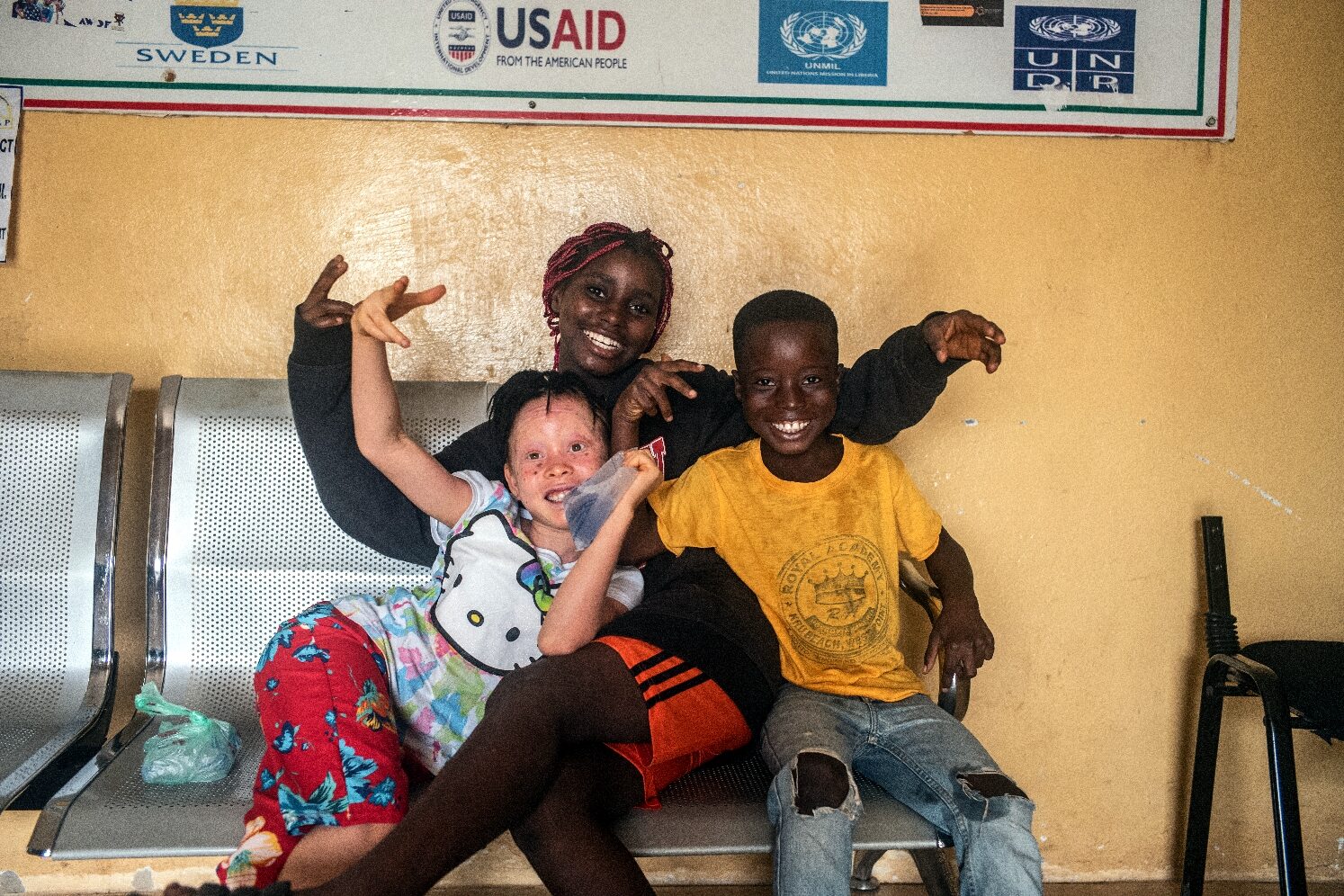
The road towards safe sanitation is long, but with commitment, innovation and community participation, Liberia can turn hope into reality and open the door to a fairer tomorrow. © UNICEF
The project, with a three-year horizon, aims to ensure the durability of results through indicators and monitoring systems that guide future decision-making. Behavioural change requires time, an understanding of cultural norms, and strategies grounded in behavioural insights. The experience reinforces the need to complement SANTOLIC with market-based approaches and durable technical solutions.
The road towards safe sanitation is long, but with commitment, innovation and community participation, Liberia can turn hope into reality and open the door to a fairer tomorrow. Its example can inspire other countries with greater sanitation and hygiene deficits to move forward towards achieving SDG 6.