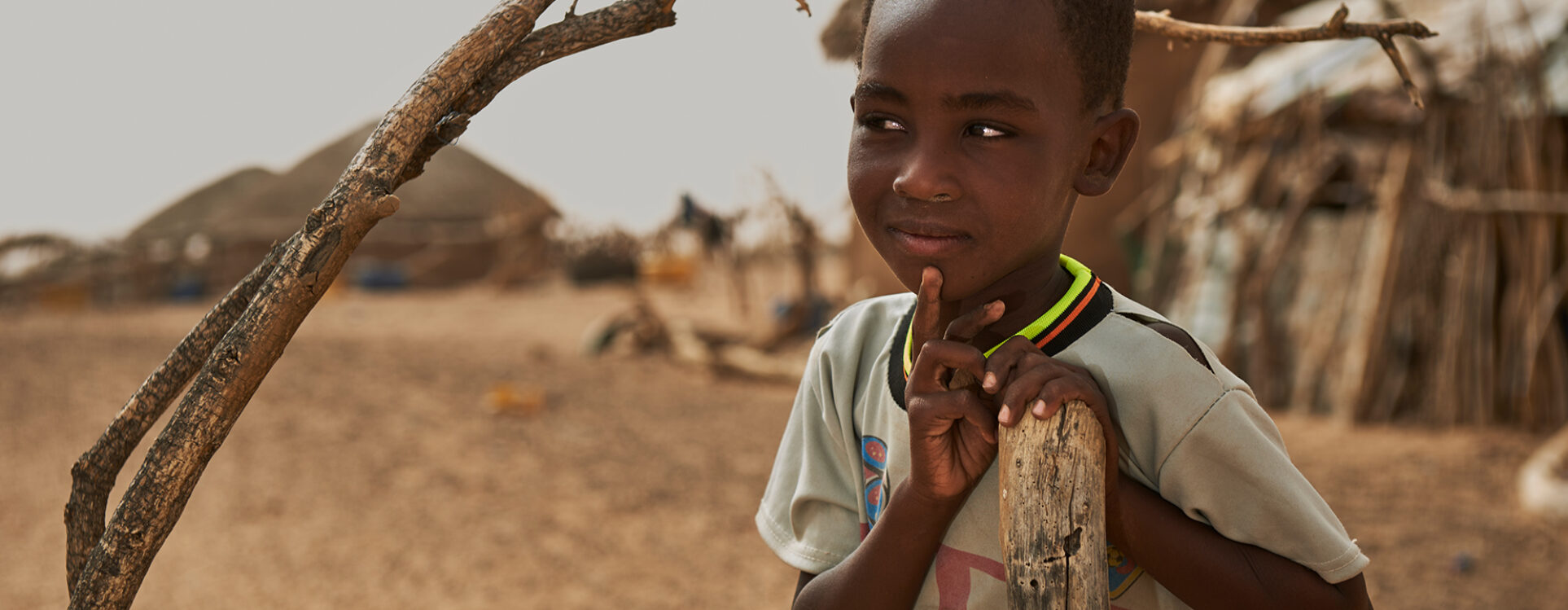
Our experience in 2025 confirms that trust in communities, women’s leadership, and the drive for awareness through education and communication are the factors that unite us and make it possible for water and sanitation to reach everyone. © Carlos Garriga WAWF
In 2025, we continued to expand our commitment to water, sanitation and hygiene. This year, we launched 11 new projects, bringing our total to 119 in 41 countries and benefiting 4,056,514 people. Our practice is broad and tangible, the result of fifteen years of continuous learning. It is a reference point that drives us to refine solutions in the face of the growing unpredictability of hydrological cycles, the deepening inequality across vast regions of the planet, and the urgent need to achieve truly binding commitments within the international community to ensure that water is everywhere a right and not a deprivation.
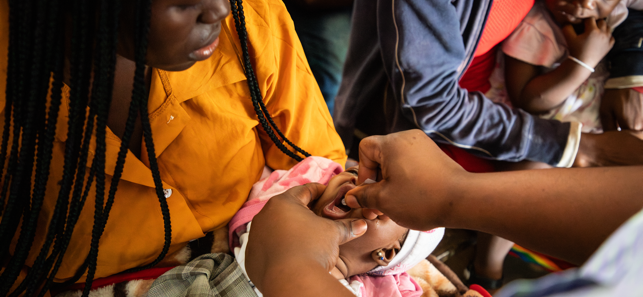
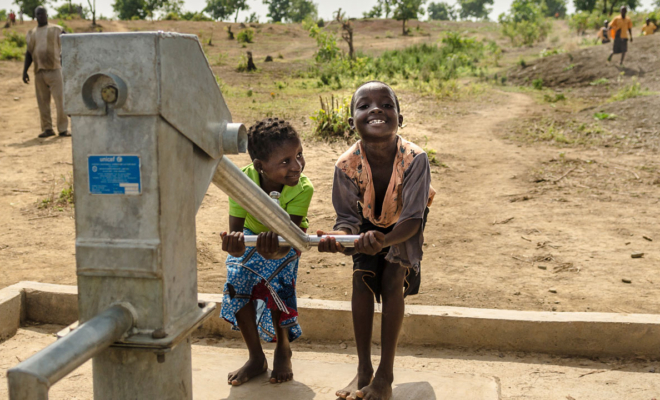
In Liberia, together with UNICEF, we have launched a pilot project to promote rural sanitation that reviews and refines the CLTS model. © UNICEF-vtremeau
Projects that deepen solutions
Clear evidence shows that aid projects, in addition to providing immediate responses —sustainable drinking water, safe sanitation and guaranteed hygiene— must evolve in two directions: expanding the scale of their applications and delving into the key problems that affect the most vulnerable groups.
In Liberia, together with UNICEF, we have launched a pilot project to promote rural sanitation that reviews and refines the CLTS model. We incorporate demand-based approaches and private sector participation, broadening the vision beyond the immediate eradication of open defecation. We analyse national obstacles, increase transparency around business opportunities and reshape the dynamics of sanitation markets so that the poorest households can access quality products and services. The solution is thus integrated into the socio-economic fabric itself, with a decisive factor: women’s participation in the process. In this way, we not only address sanitation issues but also advance gender equality and stimulate the local economy.
At the same time, we have broadened our focus towards health centres facing challenges that cannot be delayed. In Sierra Leone, together with World Vision, we have directly addressed maternal and infant mortality, a dramatic consequence of the lack of water and hygiene that is often overlooked. In one of the countries with the worst indicators of healthcare provision, water becomes the difference between life and death during pregnancy, childbirth and the development of newborns.
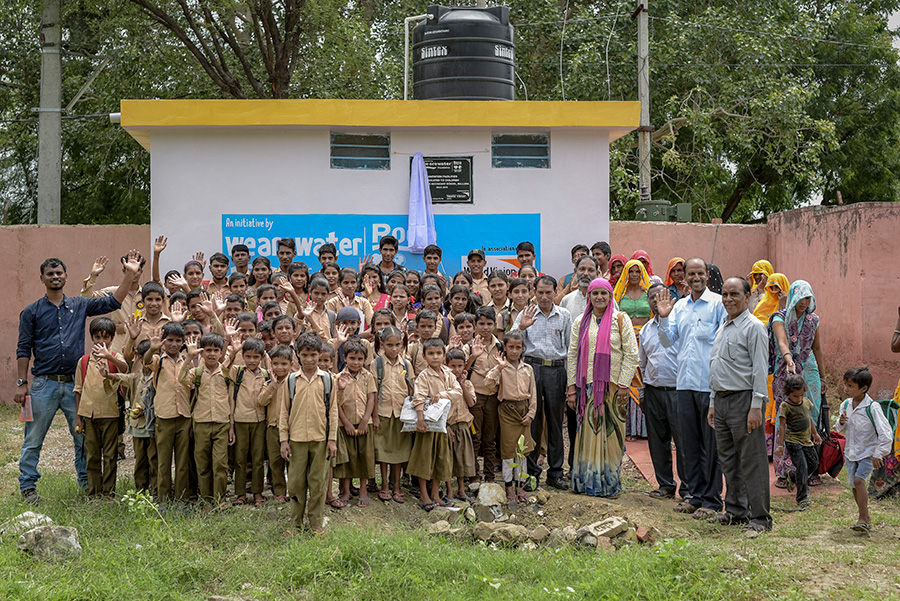
Often, the provision of drinking water stumbles on the lack of access to basic technologies, which, despite their simplicity, remain out of reach for the most neglected communities. Such is the case with purification systems based on reverse osmosis, which are increasingly affordable and effective for schools and rural communities. Since 2019, we have supported more than 30,000 people with this technology. This year, we completed projects in Los Moreneros, Colombia, and in schools and marginalised households in India, demonstrating that innovation can be both accessible and transformative.
In parallel, we continue to move towards a comprehensive approach to school sanitation with the Menstrual Management Laboratories. In Sriperumbudur and Ranipet, India, we completed the development of spaces that integrate menstrual hygiene into school committees and curricula. These laboratories have become a powerful tool for gender justice and for maximising the social benefits of schooling. At the same time, they contribute to eradicating the taboo of menstruation that still oppresses millions of young people around the world. Where once there was silence and stigma, today, physiological knowledge and confidence in science flourish.
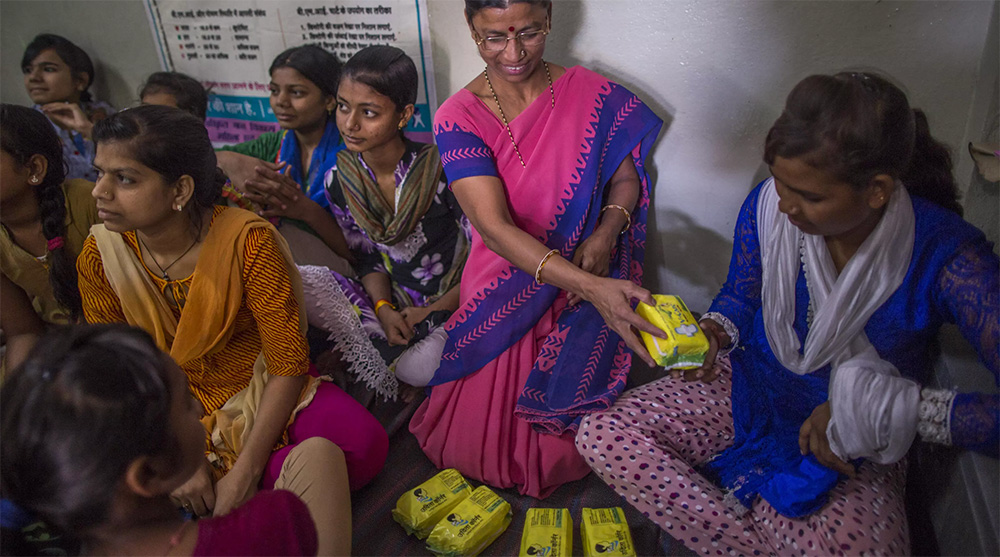
In parallel, we continue to move towards a comprehensive approach to school sanitation with the Menstrual Management Laboratories. © Prashanth Vishwanathan /WW
Microdocumentaries: new ways of telling
This year, we launched a new way of narrating our projects: microdocumentaries. We want communities to speak for themselves, for their experiences and solutions to become shared stories, and for the memory of water to be expressed in the first person. The first took us to the Ceniza river basin, devastated by the 2018 eruption of Volcán de Fuego. There, we showed how hydraulic engineering can become a shield against vulnerability, and how reconstruction is not only technical but also emotional and social. The second took us to Madagascar, where two years after our intervention, the ten wells built in Ambatosola and Mahasoa confirm the positive impact on health and education.
We Art Water Film Festival: the culture of water is universal
Our commitment to denunciation, awareness-raising and the transmission of knowledge returns with strength in the sixth edition of the We Art Water Film Festival. Once again, we place cinema as a tool for global awareness: water inspires stories that cross borders and reminds us that culture is also a driver of change, a powerful channel to transform collective consciousness.
Since its inception in 2011, the Festival has consolidated itself as a global communication phenomenon in expansion. The formula —a three-minute short film competition, open to all— has marked an innovative milestone in the world of water and has become a benchmark in environmental communication strategies. The finalists will be announced in May 2026, and the winners will be made public during the month of July.
Education continues: the Aquanautas, the Bluewave Alliance and Blanquerna University
Our commitment to education remains one of our pillars. The Aquanautas workshops, the protectors of water, began in schools and were integrated into the Let’s Make a Deal initiative with Hilton Grand Vacations. Over the past 10 years, we have shared the need to care for water with more than 9,000 young people and children through 415 workshops. Each child who understands the importance of this resource becomes a guardian of the future, a living link in the chain of environmental awareness.
This past year, we carried out a total of 83 activities, including a special beach sand-cleaning action within the framework of the Bluewave Alliance in Barcelona. This initiative by ISDIN promotes the ecological restoration of the Mediterranean through eight projects that combine science, outreach and active citizen participation. Each beach brings a message of hope, and involving schoolchildren in these actions is the best way to consolidate and spread the culture of water.
This year, we strengthened our commitment to education in Brazil. At the Roca São Paulo Gallery, we brought together 40 boys and girls, around eight years old, in four playful workshops — music, a dynamic model of the water cycle, sowing native seeds, painting on paper and face painting — reinforcing learning about the importance of water in a dynamic, educational and inclusive way.
This year, we delivered, for the third consecutive time, an intensive course at Blanquerna University aimed at students of the Bachelor’s Degree in Global Communication Management. The course focused on the problems of water and sanitation worldwide, on our awareness-raising objectives, on aid projects, and on the structure and communication tools we use in our work.
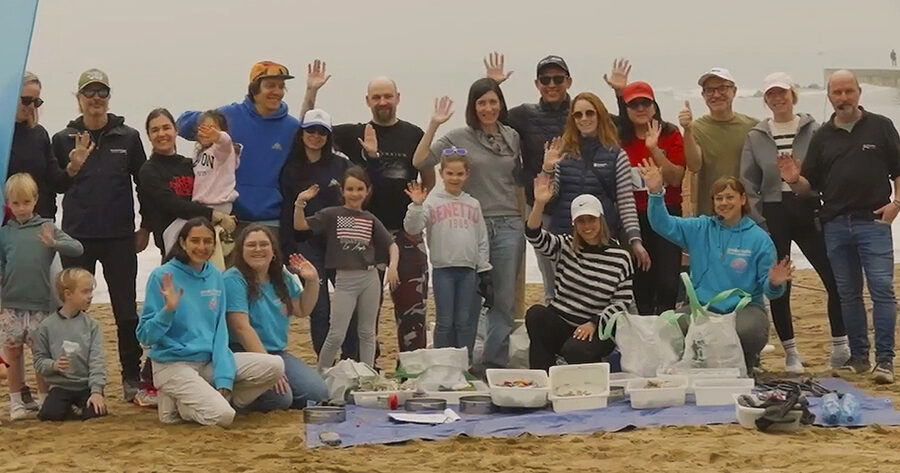
This past year, we carried out a total of 83 activities, including a special beach sand-cleaning action within the framework of the Bluewave Alliance in Barcelona.
The transformation of the tourism sector continues
We continue to emphasise the importance of fostering alliances with the tourism sector for awareness-raising and for contributing ideas and initiatives. At the Roca Barcelona Gallery, we organised a meeting on tourism, architecture and design in hospitality spaces, focused on the transformation of the tourism sector through sustainability and social responsibility.
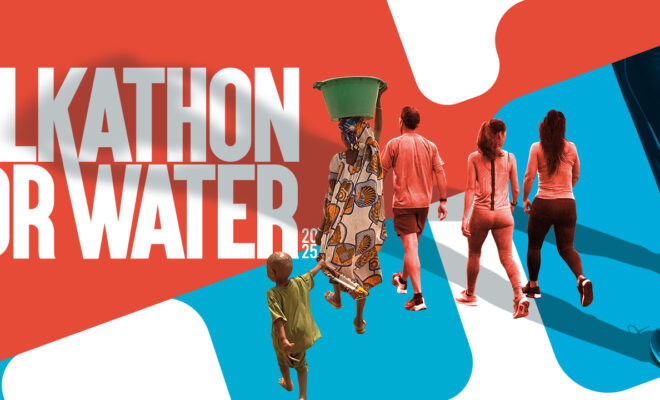
In this same context, our collaboration with the Hilton Grand Vacations chain through the Walkathons for Water, initiated three years ago, has continued to grow: a total of 19 walks have been held in different countries. This year, the projects that received support through registrations were in Riohacha, Guajira, Colombia, and the agricultural communities of Nandyal, India. Each step taken in these walks is a gesture of solidarity that reinforces the conviction that tourism can also be a channel of social transformation.
Debates that denounce, incite and unite
This year, we intensified our presence in international forums, bringing the voice of water to where the future is decided. At the World Water Week, we advanced the debate on financing water security by exploring regenerative approaches in the nexus among water, climate and development. At The Value of Water in Frankfurt, we shared transformative solutions to build water resilience. And at the Latin American Impact Investment Forum, we highlighted models born of Amazonian indigenous communities and peri-urban neighbourhoods, and debated how to scale solutions that combine social justice and environmental sustainability.
We extended the debate in Brazil by continuing the We Talks initiative and organising four new meetings that brought together professionals, specialists and partners to discuss issues related to water, the environment, climate and child protection.
At Water for Al, organised by Roca Group and the Fundación Arquitectura Contemporánea, we reflected on the sustainable city. In October, at the WaLS Conference, we explored the historical interactions between water, landscape and society. And at the Latin America and Caribbean Regional Water Week, we underlined the importance of community alliances to overcome endemic problems that persist generation after generation.
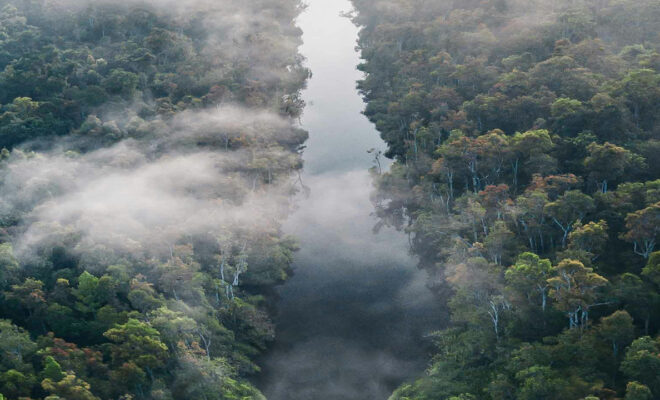
The culmination came in November, at COP30 in Belém. There, we provided direct testimony of the consequences of climate change in Amazonian communities, captured in the documentary Amazonas. The Memory of Water. We also participated in the debate on Global Water Resilience in Mediterranean Climatic Regions, broadening the focus to include regions such as California and Australia, and analysing how the concept of “Mediterranean climate” serves as a bridge uniting distant realities.
We closed the year with participation in the 5th International Congress Water for the Future in Mendoza, Argentina, demonstrating that the challenges of water are universal and that solutions must be global.
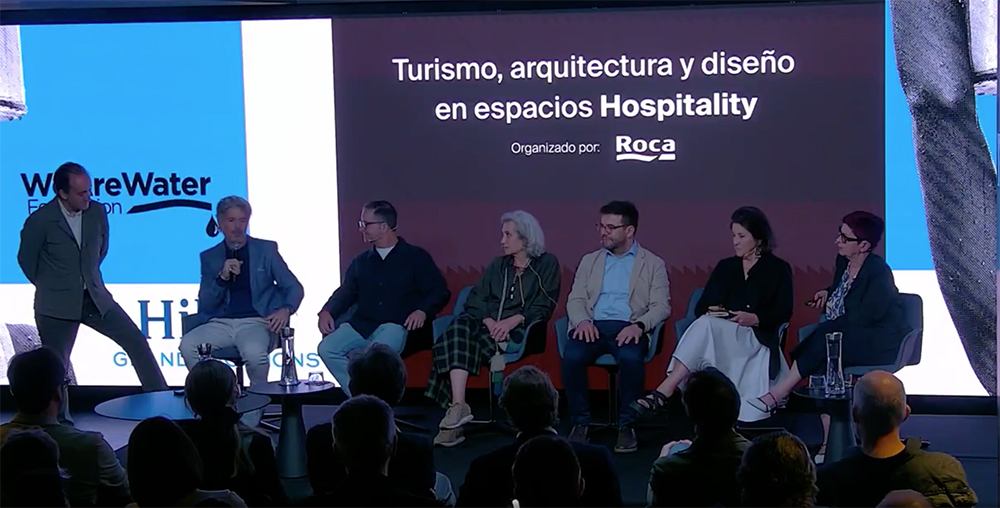
At the Roca Barcelona Gallery, we organised a meeting on tourism, architecture and design in hospitality spaces.