Vijayamangalam and Ingur, Perundurai Block, Erode district, Tamil Nadu, India, India
In collaboration with

May 2026 – December 2026
We address critical water, sanitation and health needs among students, with particular attention to girls.
Objectives
- Improve access to water, sanitation, health and hygiene, and create a safe and dignified school environment that supports regular attendance and academic performance.
Beneficiaries
765 direct
Including 400 girls.
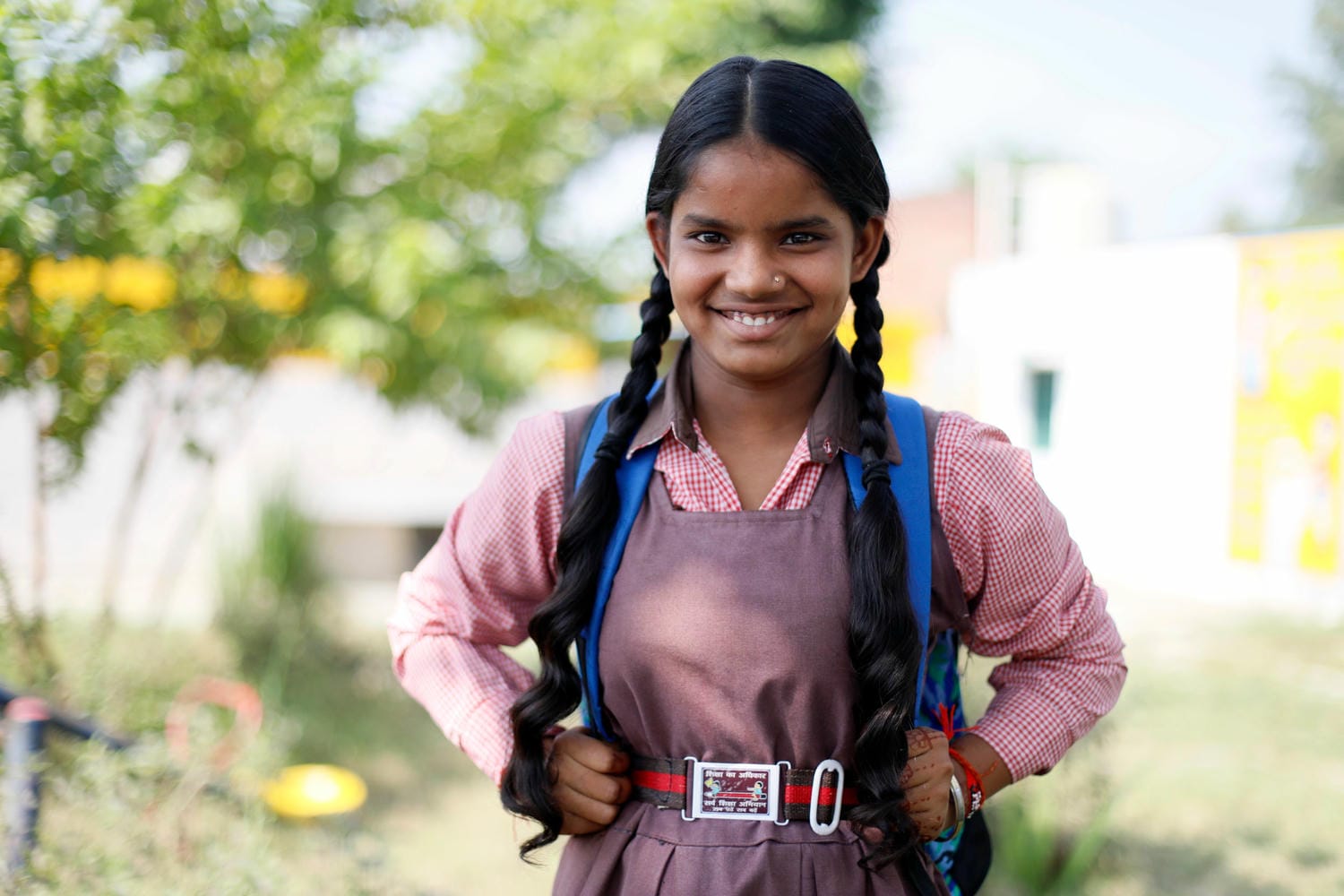
Students, teachers and staff in public schools
.
On the ground
Poor water and sanitation conditions with high school absenteeism and endemic childhood illnesses
Public schools in the Perundurai area face structural deficiencies in water, sanitation and hygiene that directly affect students’ health, dignity and learning. The lack of adequate facilities — deteriorated latrines, absence of handwashing points, irregular water supply and spaces without privacy for girls — limits regular attendance and exposes students to avoidable health risks.
These deficiencies are more pronounced in primary and secondary levels, where the lack of safe and separate toilets for boys and girls leads to recurrent absenteeism, especially during menstruation. The lack of consistent hygiene practices and limited health education increase the incidence of sanitation‑related diseases, affecting academic performance and retention in the education system.
Based on this diagnosis, the project focuses on improving facilities in selected schools, ensuring safe, clean and accessible sanitation spaces for all students. The intervention aims to promote healthy hygiene practices, such as regular handwashing, and to create a safe and dignified school environment that supports daily attendance and reduces health risks.
The initiative addresses critical water, sanitation and health needs, strengthens students’ dignity and well‑being — with particular attention to girls — and contributes to improved educational outcomes.
Improved health and hygiene form the foundation for increased enrolment and school retention, especially among girls. A clean and hygienic environment supports concentration and academic performance. Separate, well‑maintained facilities for boys and girls ensure privacy, safety and dignity. Behaviour Change Communication (BCC) sessions encourage healthy hygiene and sanitation habits.
The extended impact is generated by the students themselves, who bring these practices into their homes, expanding awareness and laying the foundations for a culture of water and hygiene.
In detail
El proyecto se basa en la construcción de instalaciones de agua y saneamiento en la Government Higher Secondary School de Vijayamangalam (Perundurai) y en la Panchayat Union Primary School de Ingur, Chennimalai Block, Perundurai, distrito de Erode.
Activities
- Initial assessment and site selection
Field visits to identify and assess existing sanitation conditions in selected schools. - Planning and design
With community participation, preparation of plans and designs for the facilities, including water supply, handwashing points and accessibility criteria. - Permits and approvals
Processing of permits with local authorities, the Department of Education and relevant bodies. - Construction of water and sanitation facilities
Separate latrine blocks for boys and girls, with water supply and handwashing points. - Installation of handwashing stations
Stations with soap holders, proper drainage and water supply. - Behaviour Change Communication (BCC)
Sessions on personal hygiene, sanitation practices and proper handwashing techniques, in collaboration with public health officials. - Construction of latrine blocks
Separate facilities for boys and girls, with safe and hygienic sanitation infrastructure. - Water supply installations
Adequate water supply for drinking and sanitation. Where necessary, installation of storage tanks, pipelines and taps. - Handwashing points
Handwashing stations with proper drainage. - Hygiene awareness programmes
Sessions for students on personal hygiene, sanitation and cleanliness. Promotion of regular handwashing among students. - Encouragement of behaviour change towards healthy practices.
- Maintenance and sustainability structure
Awareness for school authorities and students on facility maintenance. Support with guidelines for proper use and upkeep.
Sustainability prospects
With adequate monitoring and community participation, the project generates sustainable and lasting impact on students’ lives.
The sustainability plan is based on establishing a School Water and Sanitation Committee, composed of teachers, students and families. This committee oversees maintenance and proper use of the facilities.
Regular awareness programmes are planned to consolidate behaviour change and maintain school guidance on maintenance practices that ensure infrastructure durability.
The project includes periodic visits and inspections, as well as monitoring of construction progress and facility use. Feedback from students, teachers and school authorities will be collected to adjust actions and ensure effectiveness.