Echoor y Kiloy Kannathangal, Sriperumbudur Block, Tamil Nadu, India, India
In collaboration with

March 2026 – December 2026
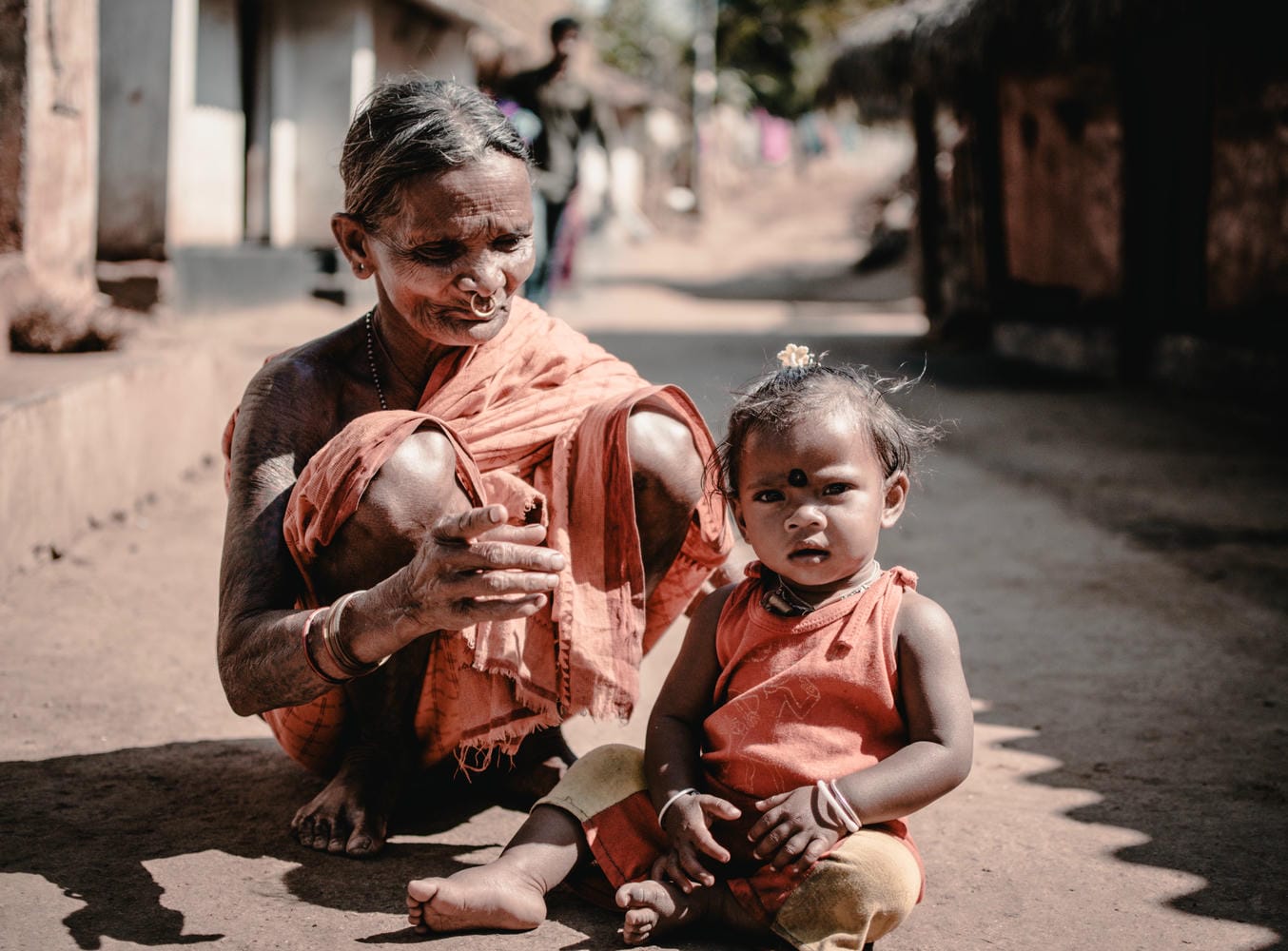
We support households from Scheduled Castes, the Irula tribal community and other economically vulnerable groups without access to safe and functional sanitation.
Objectives
- Improve families’ health and hygiene by constructing 62 individual household sanitation units.
Beneficiaries
310 indirectos
Members of the 62 families who will have access to improved sanitation facilities in their homes.
On the ground
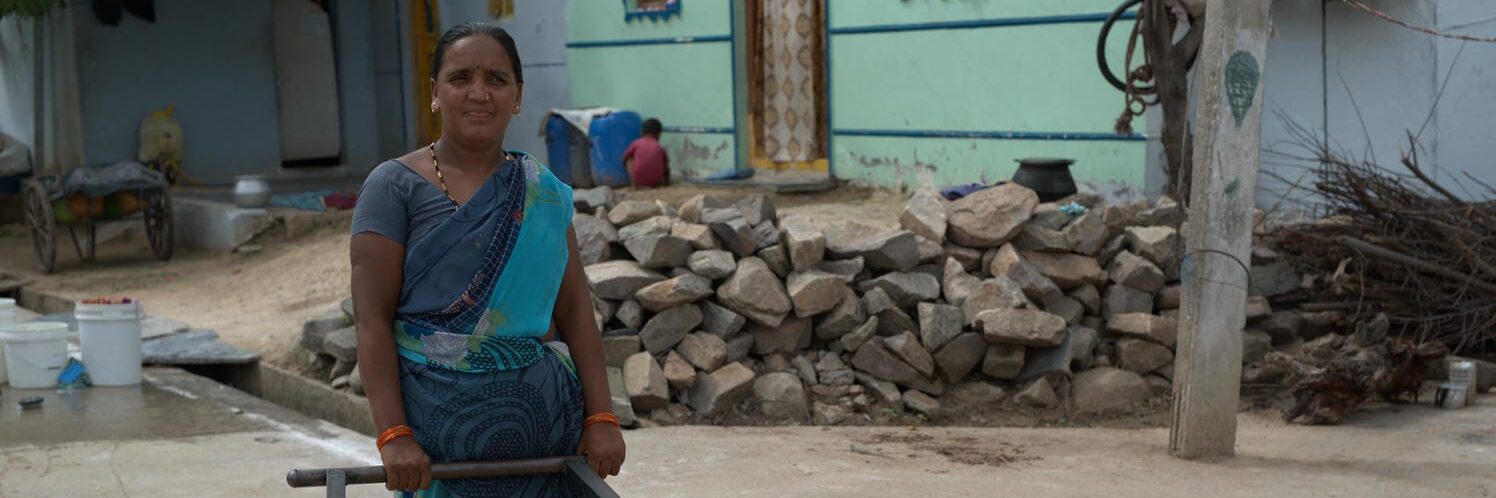
Marginalised households lacking household sanitation.
Sriperumbudur Block, in Kancheepuram district, Tamil Nadu, comprises 132 villages and has a significant proportion of Scheduled Caste and Scheduled Tribe population: 28.1% Scheduled Castes (SC) and 0.8% Scheduled Tribes (ST). The area is undergoing rapid transformation from a traditional rural landscape into an industrial and residential corridor within the Chennai metropolitan region.
This process — marked by accelerated urbanisation, industrial expansion, deforestation and agricultural decline — has altered traditional livelihoods and increased migration, overcrowding and unplanned settlements. Many agricultural workers have shifted to informal and insecure employment without social protection. Nearly one‑third of the population belongs to economically and socially vulnerable groups, including Scheduled Caste families and the Irula tribal community.
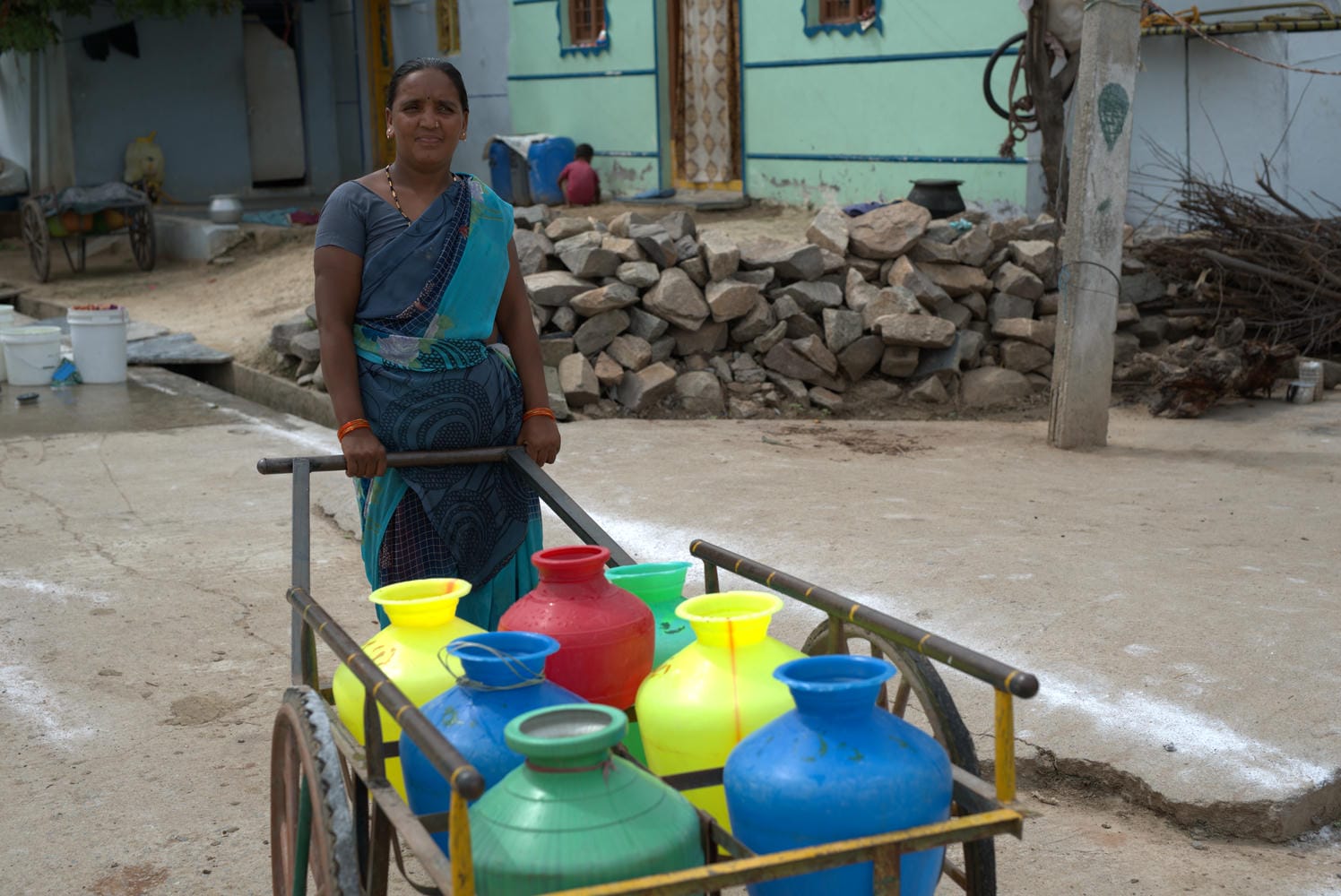
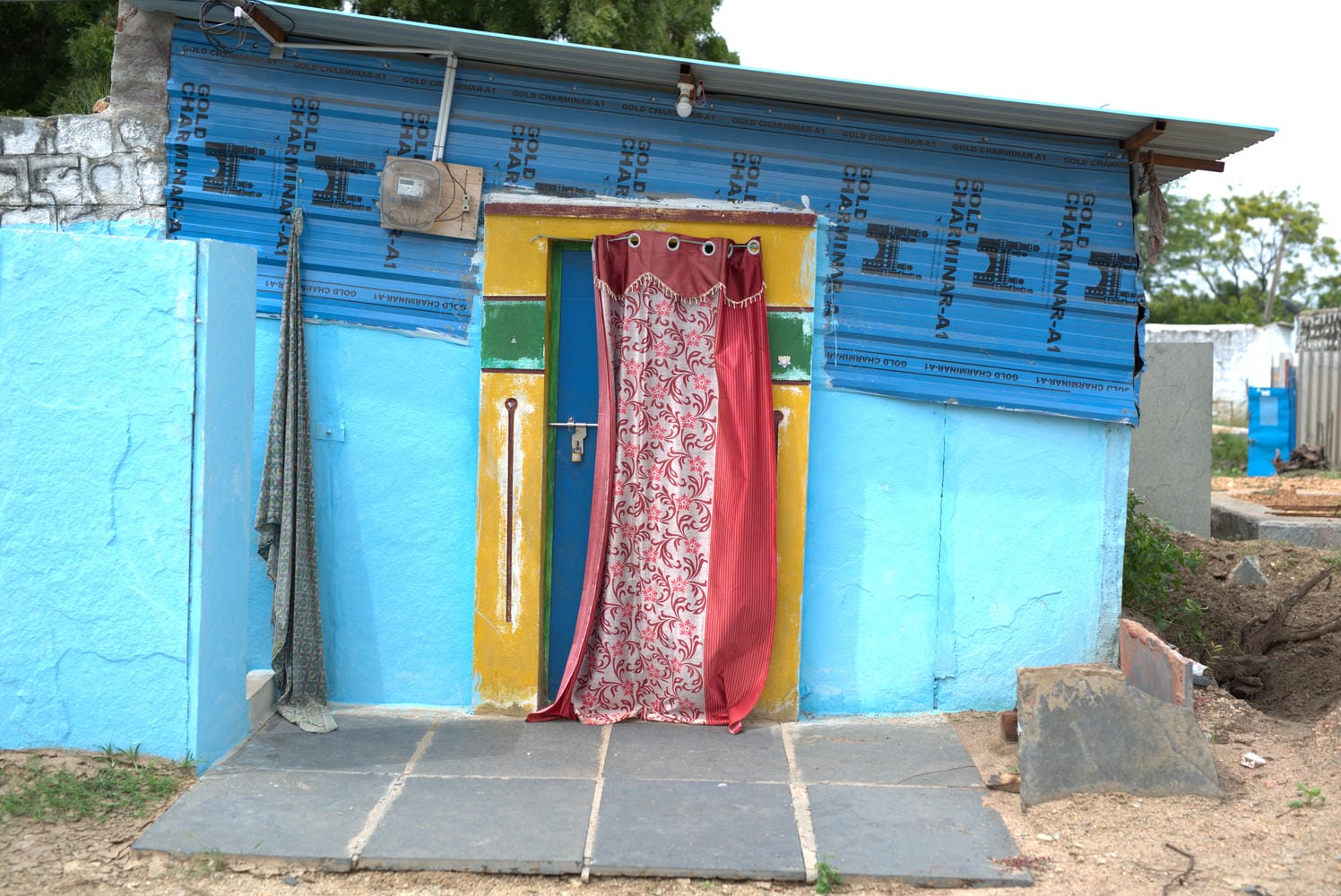
Marginalised households continue to face social exclusion, unstable incomes and limited access to formal support systems. Most families depend on landless agricultural labour, construction work, domestic work, temporary employment under MGNREGA (Mahatma Gandhi National Rural Employment Guarantee Act) and other informal activities, with very low monthly incomes ranging from INR 4,000 to 8,000. Economic shocks frequently push them into cycles of debt due to reliance on informal lenders, low financial literacy and lack of institutional credit, sometimes resulting in forced labour. Poor housing conditions and lack of sanitation further increase their vulnerability, disproportionately affecting women, children, older persons and people with disabilities.
The absence of adequate household sanitation facilities creates severe health, social and economic challenges. Open defecation contaminates water and the environment, increasing the incidence of waterborne diseases and other infections such as diarrhoea, parasitic diseases, skin conditions and vector‑borne illnesses. Children are particularly vulnerable, suffering recurrent infections that contribute to malnutrition, school absenteeism and poor physical and cognitive development. Lack of sanitation also increases healthcare costs and causes income losses due to illness, deepening poverty.
The absence of household latrines severely affects dignity, privacy and safety, especially for women, adolescent girls, older persons and people with disabilities. Many women and girls must wait until dawn or dusk to seek privacy, exposing themselves to safety risks, harassment and health problems such as urinary infections. Lack of safe sanitation also discourages school attendance among adolescent girls, particularly during menstruation.
Despite government initiatives such as Swachh Bharat Mission, limited awareness, entrenched practices and the absence of functional latrines continue to hinder progress. Inadequate sanitation perpetuates social exclusion, reinforces cycles of poverty and limits long‑term socioeconomic development. Individual household sanitation units are therefore a critical intervention to improve public health, gender equity, environmental hygiene and community well‑being.
Project impact
- Social: Strengthened dignity, safety and social inclusion through access to private, safe and functional facilities.
- Health: Reduced exposure to unhealthy environments and sanitation‑related diseases. Improved physical and mental health, especially for children, women and older persons.
- Gender equality: Greater safety, dignity and autonomy for women and girls. Reduced time spent searching for places to defecate and lower risk of harassment.
- Environmental: Cleaner surroundings, reduced contamination and improved resource efficiency. Contribution to more sustainable living conditions.
In detail
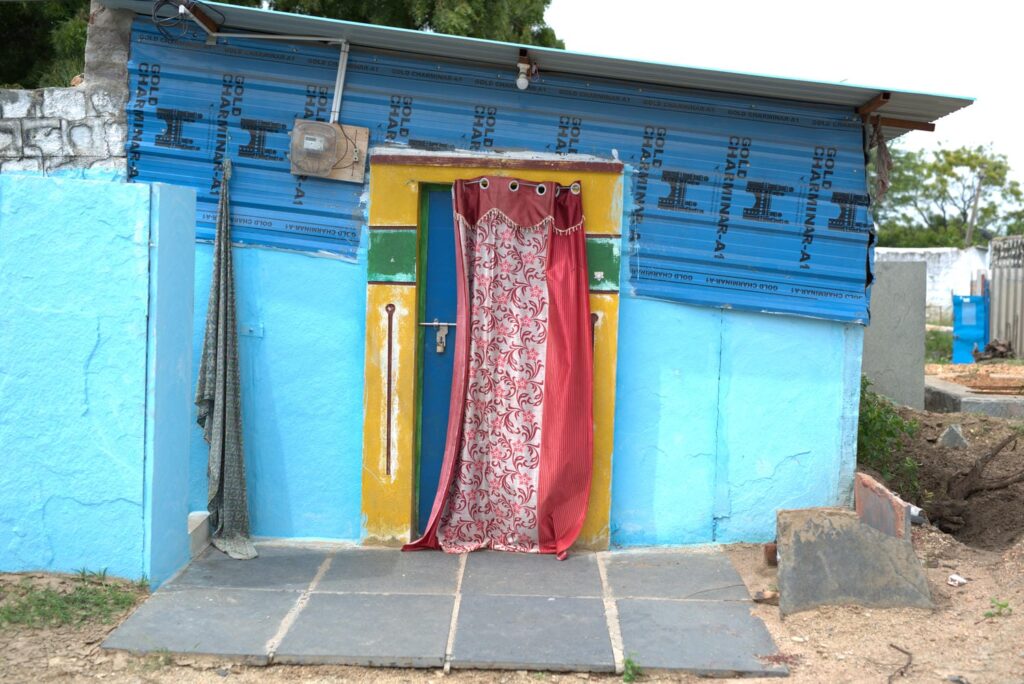
The project focuses on constructing 62 individual household latrines for marginalised families in Sriperumbudur Block, with particular attention to Scheduled Caste households, the Irula tribal community and other economically vulnerable groups without access to safe and functional sanitation.
Priority is given to families below the poverty line, female‑headed households, families with older persons or people with disabilities, and households currently practising open defecation. The intervention addresses critical needs related to health, safety, dignity and the environment, complementing government initiatives such as Swachh Bharat Mission.
Scope includes:
- Identification and verification of beneficiaries
- Technical assessment of available space and soil conditions
- Construction of durable, accessible and context‑appropriate units
- Installation of superstructure, sanitary pan, pit or septic system, and basic water connection where possible
- Integration of awareness and behaviour‑change communication activities, including menstrual hygiene and safe sanitation practices
- Access to household sanitation improves public health, strengthens the safety and dignity of women and girls, reduces disease burden and healthcare expenses, and enhances the socioeconomic resilience of vulnerable communities.
Activities
- Needs assessment / Technical assessment / Baseline study
Identification of households without functional latrines and practising open defecation. Collection of socioeconomic data, vulnerability criteria (SC/ST, Irula, female‑headed households, older persons or people with disabilities), health risks and sanitation practices. Technical assessment of available space, soil conditions, water access and suitable design options. - Identification and selection of beneficiaries
Transparent selection based on vulnerability criteria and coordination with community leaders and local authorities. Preparation of a validated final list to ensure equity and accountability. - Selection and contracting of the supplier
Identification of a qualified local supplier through due diligence and comparison of quotations. Contract based on technical competence, cost, quality standards and adherence to timelines. - Construction of Individual Household Latrines (IHHL)
Construction of 62 units with durable, context‑appropriate designs aligned with government norms. Each unit will include a sanitary pan, a pit or septic system, a superstructure, and ventilation. Accessibility for older persons and people with disabilities will be considered. - Community‑Led Total Sanitation (CLTS)
Community sessions on the health impacts of open defecation, personal hygiene, menstrual hygiene and latrine maintenance. Promotion of collective responsibility and community ownership. - Monitoring, documentation and reporting
Regular visits to supervise construction quality and adherence to timelines. Photographic documentation before and after, field reports and verification of use. Final report with results, lessons learned and impact on health, dignity and socioeconomic well‑being.
Sustainability prospects
El proyecto adopta un enfoque participativo que garantiza la implicación activa de las familias beneficiarias, los líderes comunitarios, los representantes del gobierno local y los socios de implementación. Se realizan consultas iniciales para presentar los objetivos del proyecto, los criterios de selección, el proceso de implementación y las contribuciones esperadas por parte de la comunidad.
Se establecen reuniones comunitarias periódicas y mecanismos de retroalimentación para promover la transparencia, la apropiación local y la rendición de cuentas durante todo el ciclo del proyecto.