Anamã and Careiro Castanho, Amazonas, Brazil
In collaboration with
May 2025 – October 2025
We improve the health, education, and well-being of school communities by ensuring access to proper hand hygiene.
Objectives
- Increase access to clean water and hygiene products in public schools.
- Raise awareness and train teachers and students on the correct use of water and the prevention of waterborne diseases.
Beneficiaries
4,022 direct
2,000 girls.
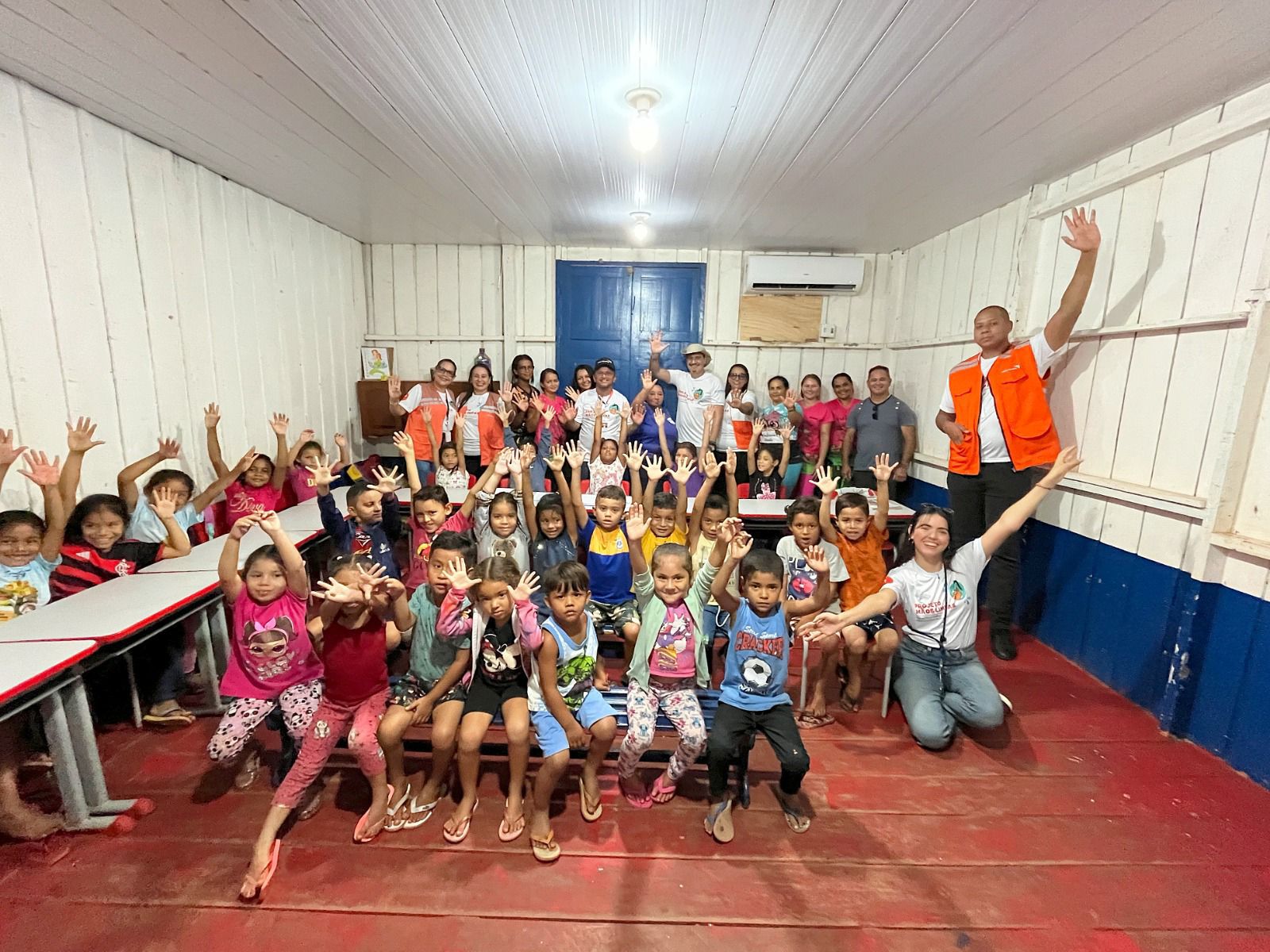
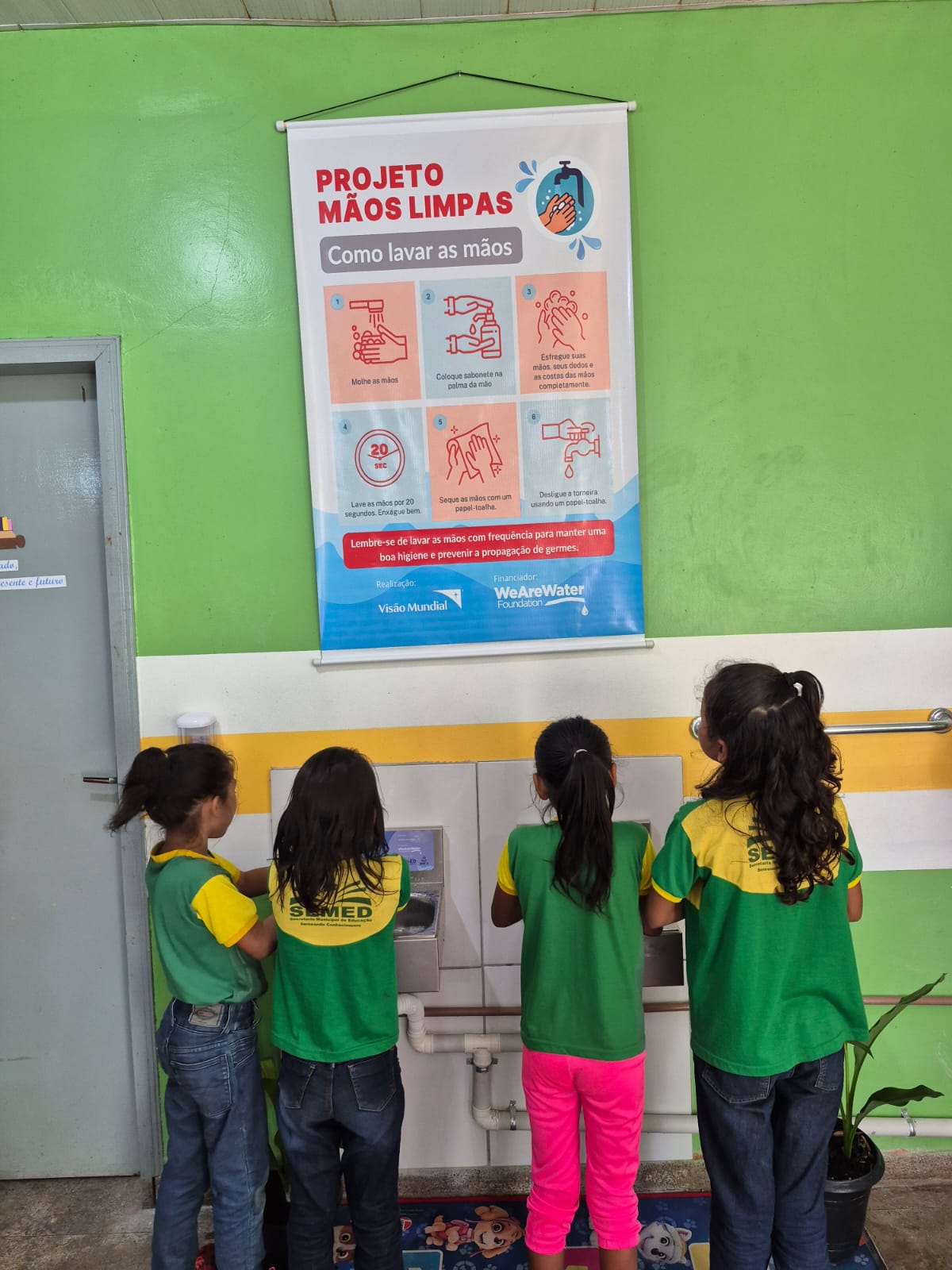
Children and adolescents attending public schools: 735 students from 6 schools in Anamã and 3,287 students from 19 schools in Careiro Castanho.
20,110 indirect
30% under 15 years old, 50% women.
The wider school community and the families of the children and adolescents reached by the project.
On the ground
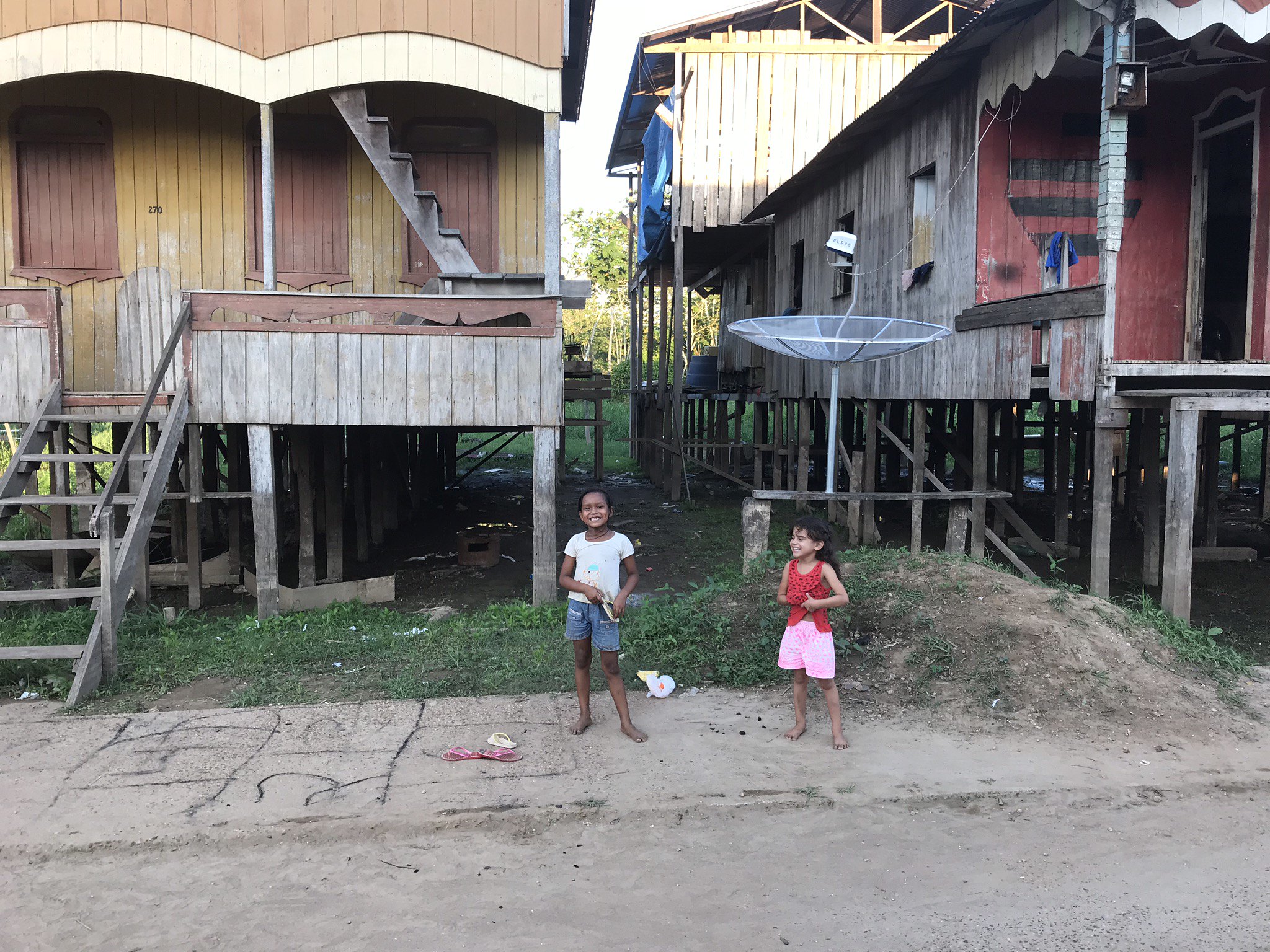
A territory marked by weak infrastructure, climate vulnerability, and waterborne diseases.
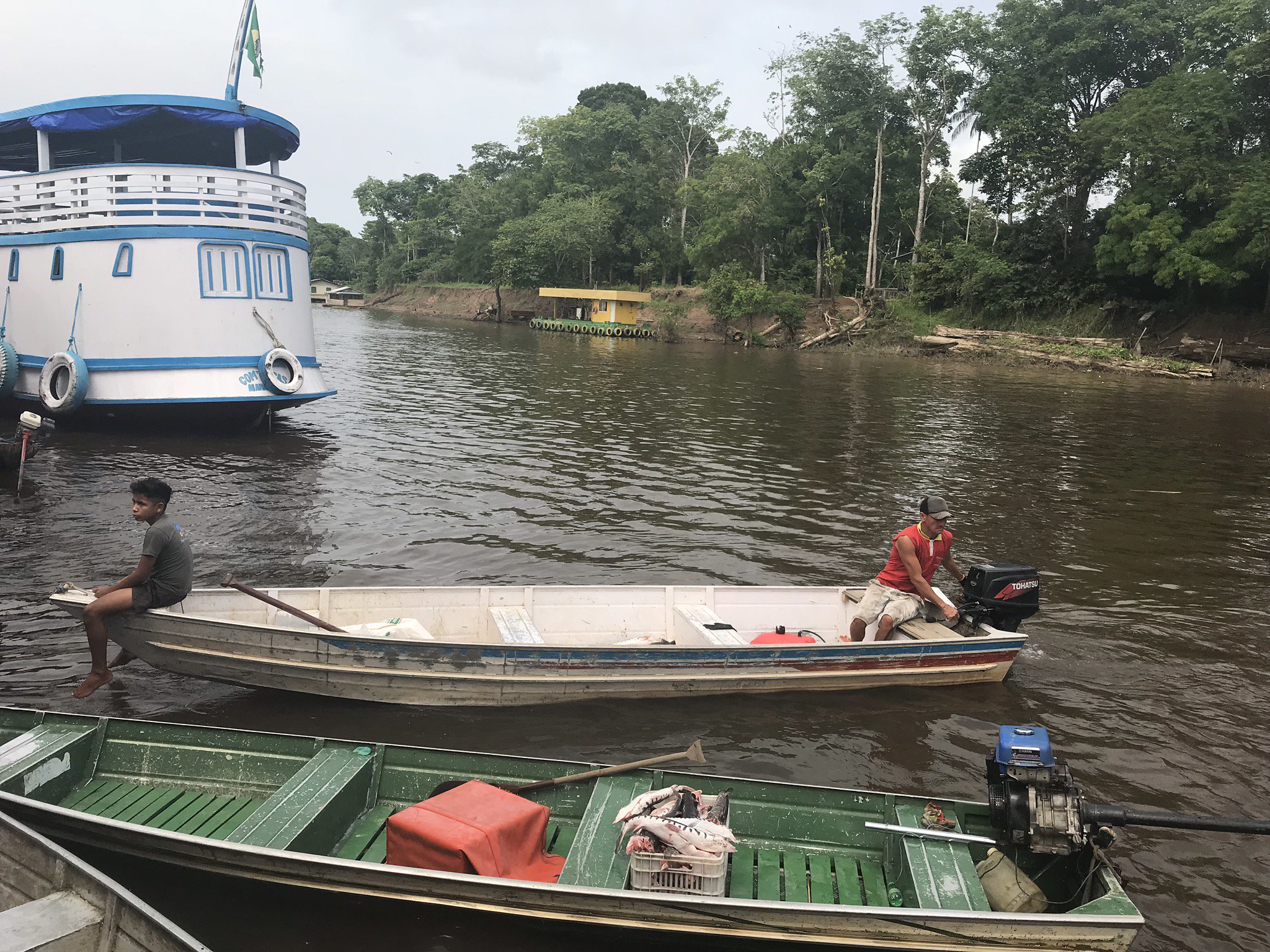
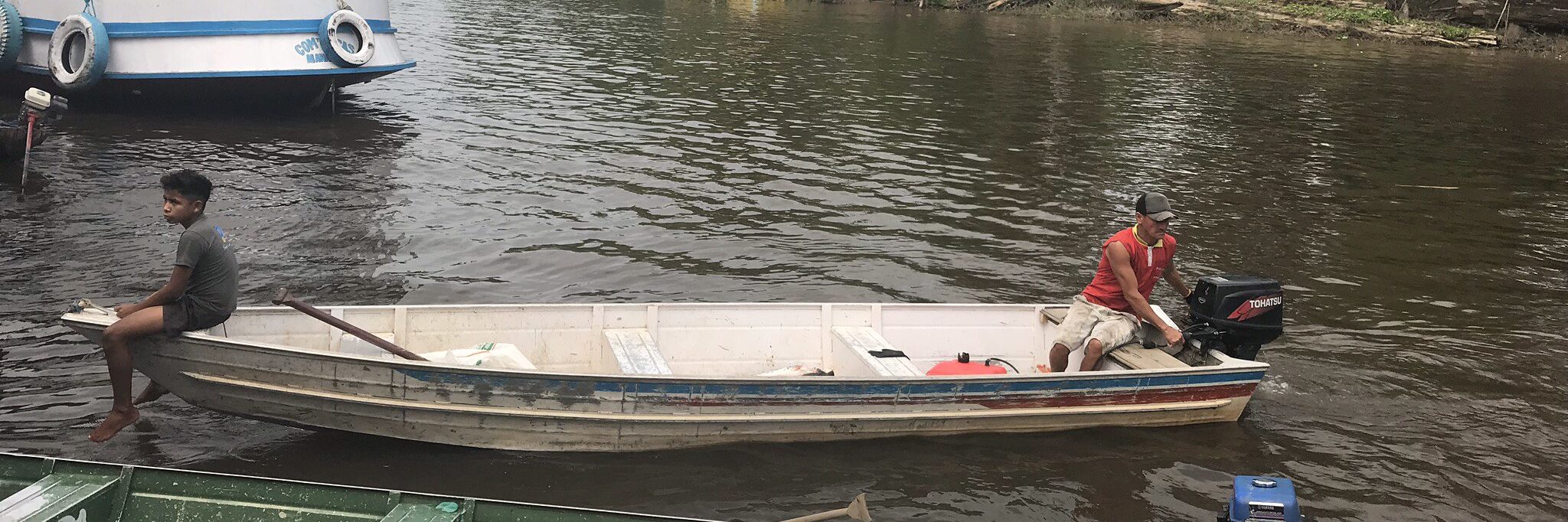
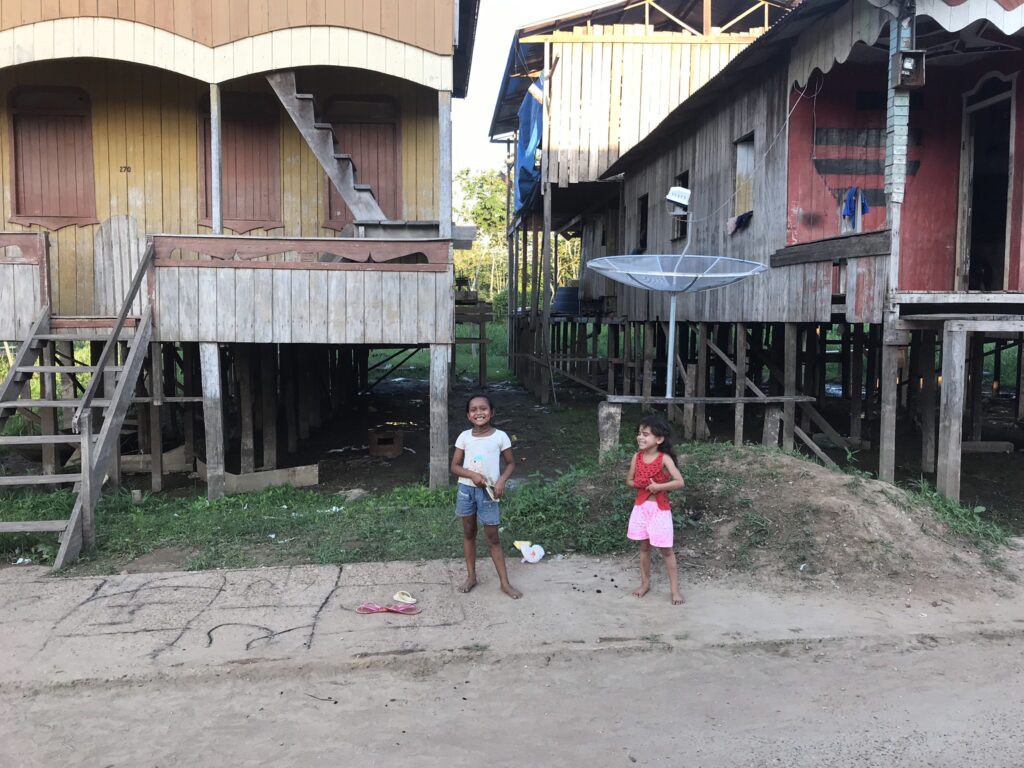
Anamã and Careiro Castanho are two small municipalities located in the interior of the state of Amazonas, relatively close to Manaus but deeply affected by geographic isolation and the lack of basic infrastructure. Their populations live surrounded by rivers and rainforest, in a territory where mobility depends almost entirely on river transport and where extreme climatic conditions—torrential rains, sudden floods, and prolonged inundations—shape daily life and the functioning of public services.
In this context, both localities face similar challenges related to access to clean water, including inadequate infrastructure and limited or nonexistent water supply and sanitation systems. Adverse climatic conditions worsen the situation: frequent flooding damages existing facilities and further reduces the efficiency of water and sanitation systems.
These challenges create a chain of impacts on local health, education, and the economy. Limited access to safe drinking water increases the risk of waterborne diseases such as diarrhea, cholera, and typhoid fever, which can lead to dehydration, malnutrition, and even death. The lack of water also directly affects municipal public schools: it hinders regular student attendance, compromises educational quality, and puts the health of the entire school community at risk.
Despite this reality, very few water‑related projects are implemented in the Amazon region, leaving these communities in a situation of persistent vulnerability.
In detail
1. Project actions
The project is implemented through four complementary lines of action:
- Mapping the most vulnerable schools to identify those with the greatest difficulties in accessing water and to prioritize the installation of portable sinks.
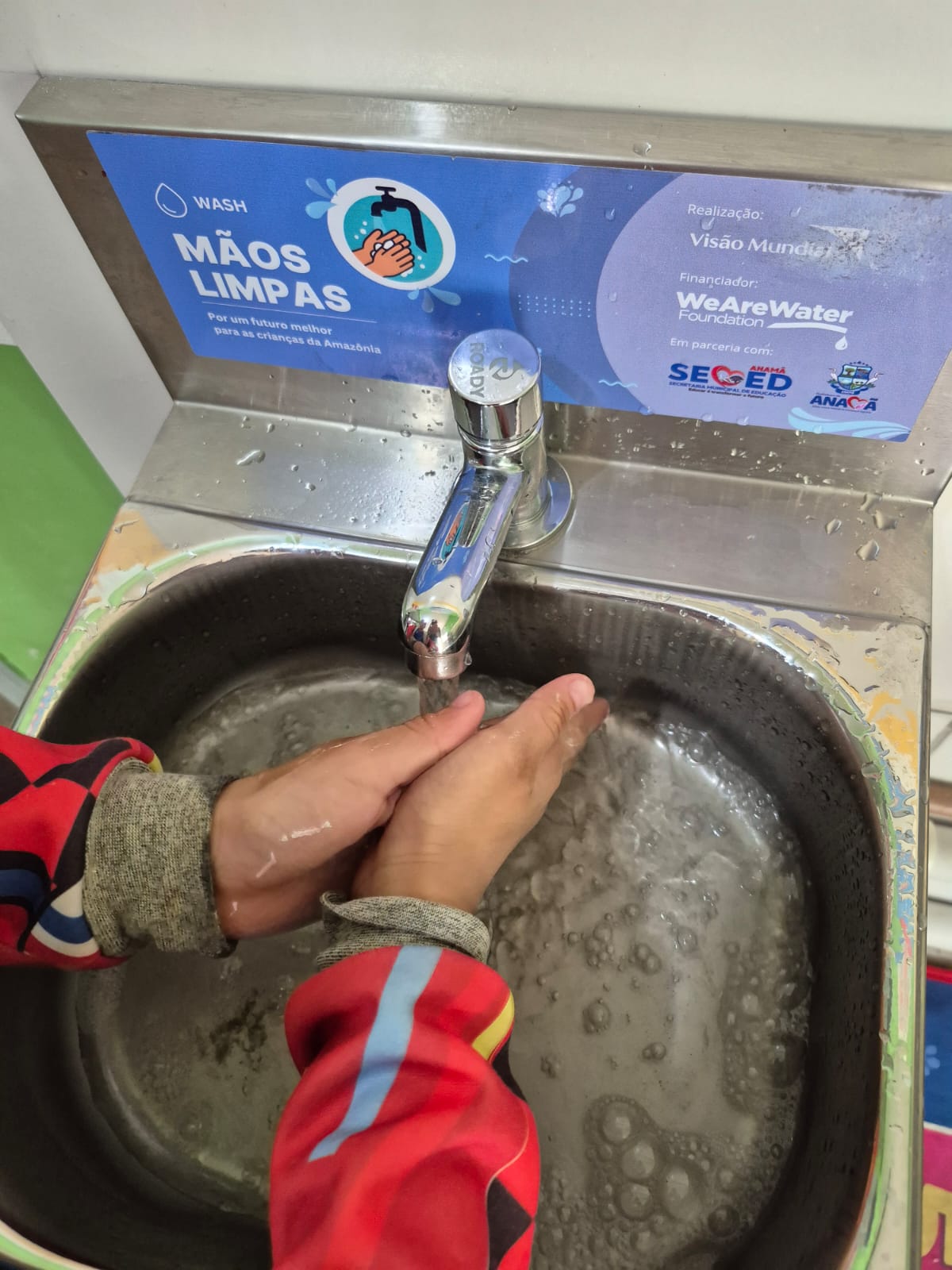
- Installation of portable sinks in the selected schools and distribution of hygiene materials.
- Training for the school community on the operation, maintenance, and daily monitoring of the sinks.
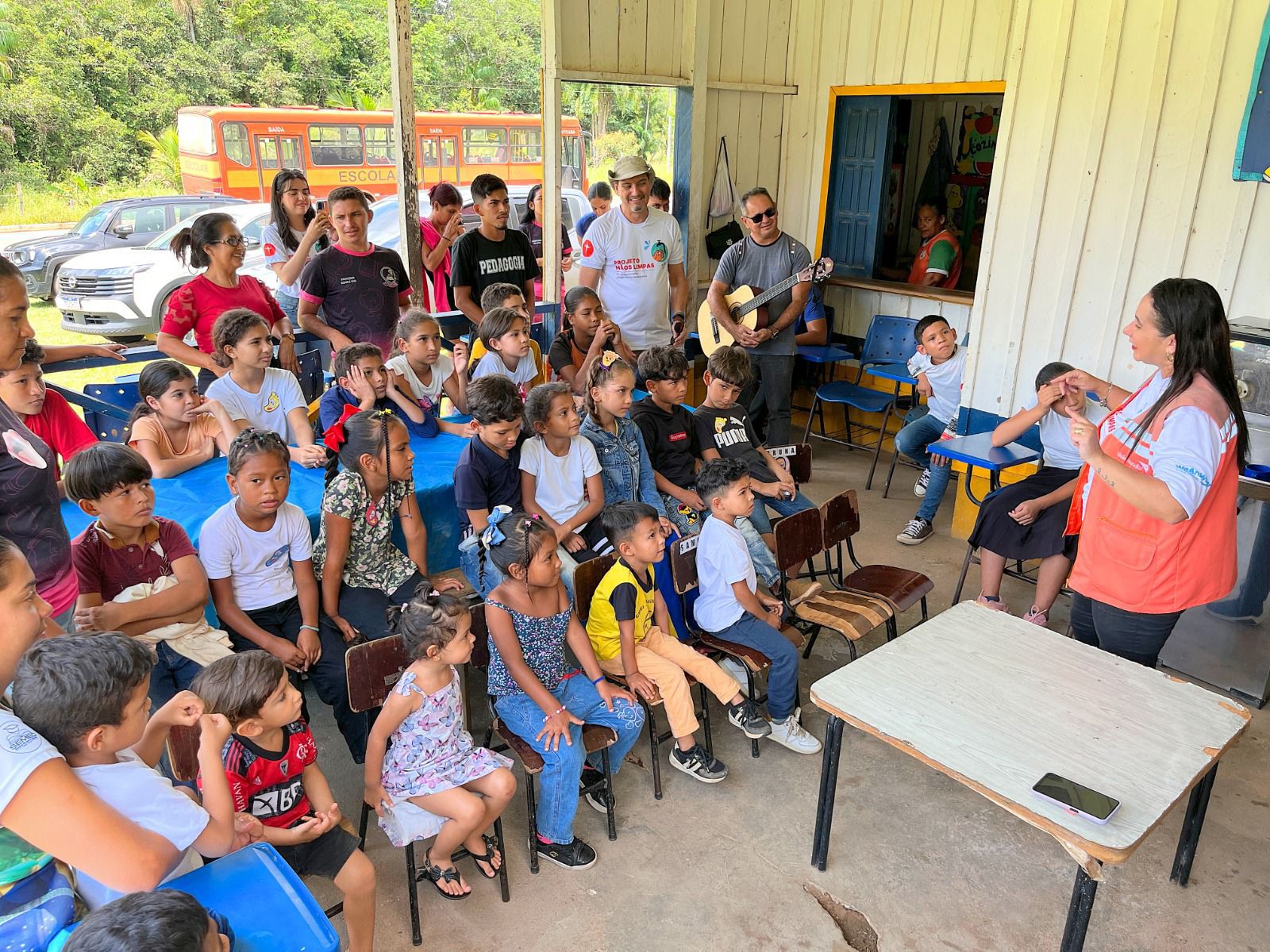
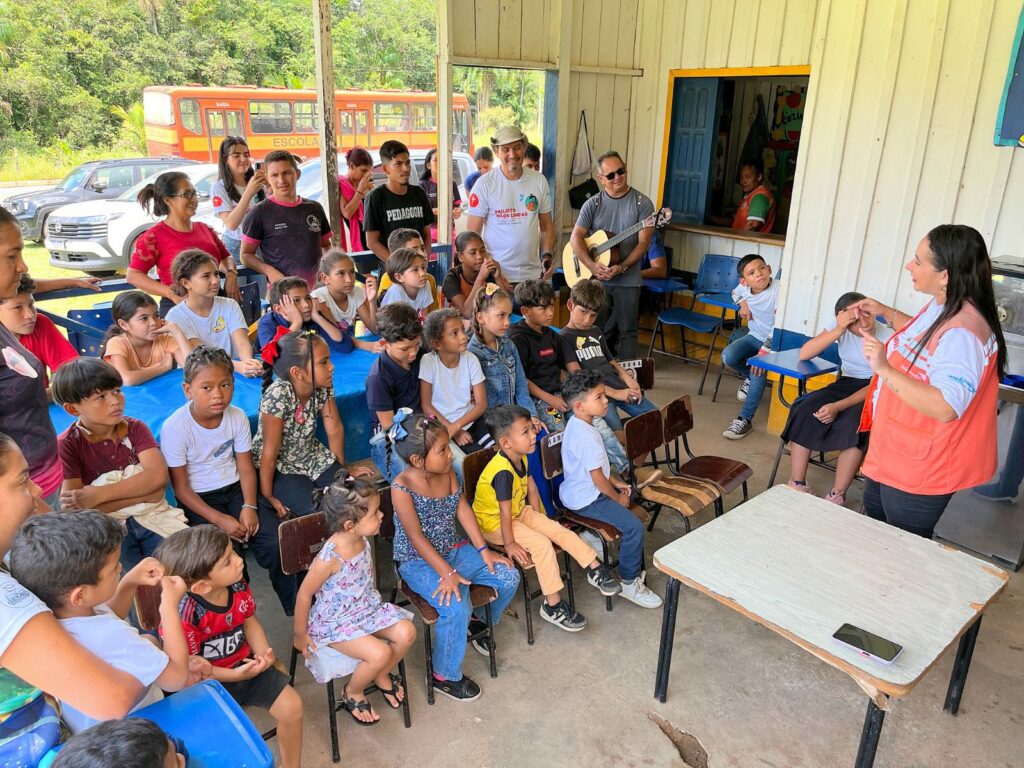
- Educational workshops for children and adolescents on the responsible use of water and the importance of proper and frequent handwashing to prevent disease.
2. Methodology and community participation
The project is carried out in coordination with public schools and the Social Assistance Reference Centers (CRAS). These local partners contribute to:
- Identifying the schools with the greatest needs.
- Raising awareness among students and families about hand hygiene.
- Operating, maintaining, and monitoring the installed sinks daily.
Implementation method
The project combines light infrastructure with community education:
- The portable sinks, successfully used during the COVID‑19 pandemic in the Amazon region, are an affordable, easy‑to‑install, and low‑maintenance solution.
- Each unit is built with recycled wood and equipped with a basin, tap, detergent dispenser, and paper towels. It operates with a manually refilled water tank that is refilled twice a day.
- Each tank accommodates approximately 75 handwashes, totaling 2,250 per month per unit. With 50 sinks installed, the estimated capacity over six months reaches 675,000 handwashes.
The educational component reinforces the impact by promoting responsible water use and disease prevention through proper hygiene habits.
Active community participation
The involvement of the school community is essential to ensure the project’s relevance and continuity. To support this, the project establishes:
- Monitoring committees are made up of members of the school community.
- Regular follow‑up meetings.
- Field visits and data collection on the use and condition of the sinks.
The entire process is supported by a World Vision specialist.
Monitoring and evaluation
The project uses several tools to ensure rigorous monitoring:
- Participant intake survey to identify the most vulnerable population.
- Routine monitoring (RM) records activities, participants, immediate results, and progress.
- Outcome monitoring, through baseline and endline assessments, Beneficiary‑Based Surveys (BBS), and Key Informant Interviews (KIIs).
- Post‑distribution monitoring (PDM) evaluates participant satisfaction and the effectiveness of distributions.
Prospectives for Sustainability
The sustainability of the project is built on three pillars:
Technical and economic viability
- Portable sinks are cost‑effective, require no electricity or fuel, and need minimal maintenance.
- They are durable and available in models adaptable to local conditions.
- In areas without piped water systems, they offer a realistic and effective solution.
Community ownership
- Schools and local partners receive training to operate and maintain the sinks, ensuring continued use.
- Active participation in installation, supervision, and care strengthens long‑term sustainability.
Continuity of impact
- The combination of infrastructure and education helps consolidate hygiene habits beyond the project’s duration.
- The technology is easily replicable in other Amazonian and inland Brazilian communities facing similar conditions.