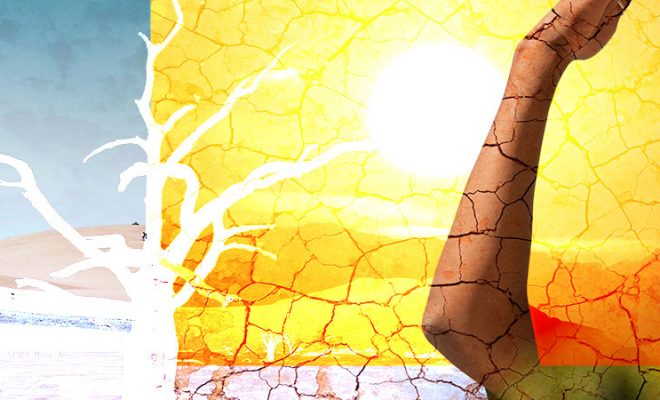

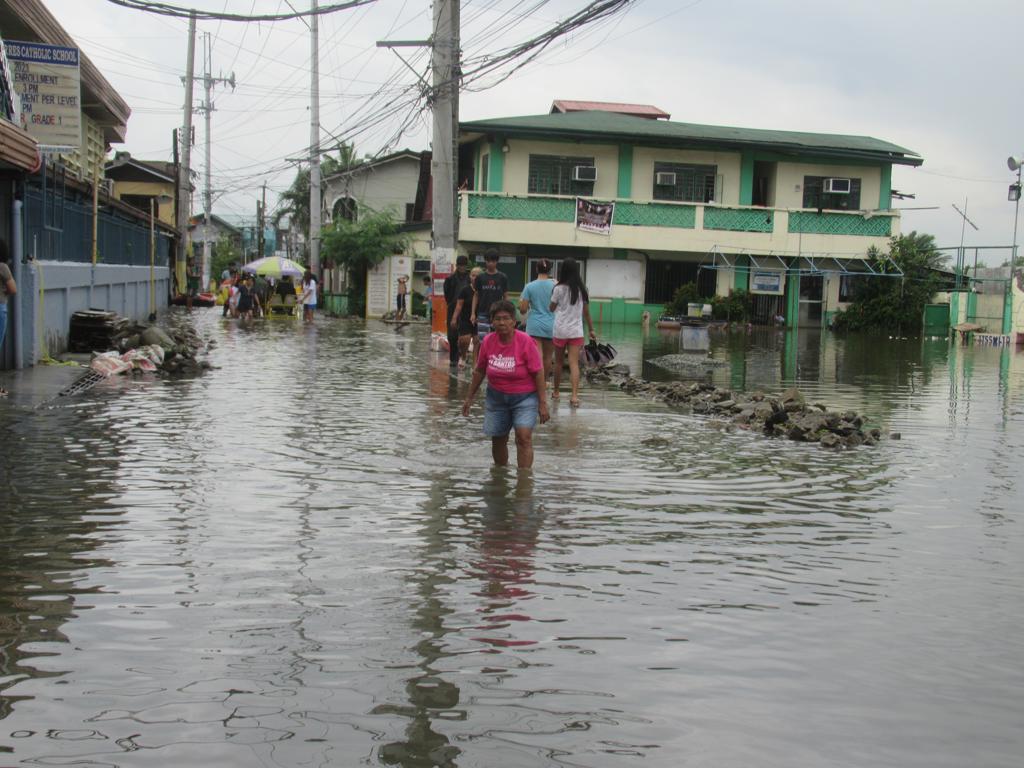
Climate change multiplies its victims, but not all suffer equally. At one extreme is the person who has lost a multi‑million‑dollar home in the Pacific Palisades fires in California. At the other end, the person whose precarious dwelling in Cebu, in the Philippines, has been swept away after the passage of Typhoon Kalmaegi, which left more than a million victims and entire communities submerged under water.
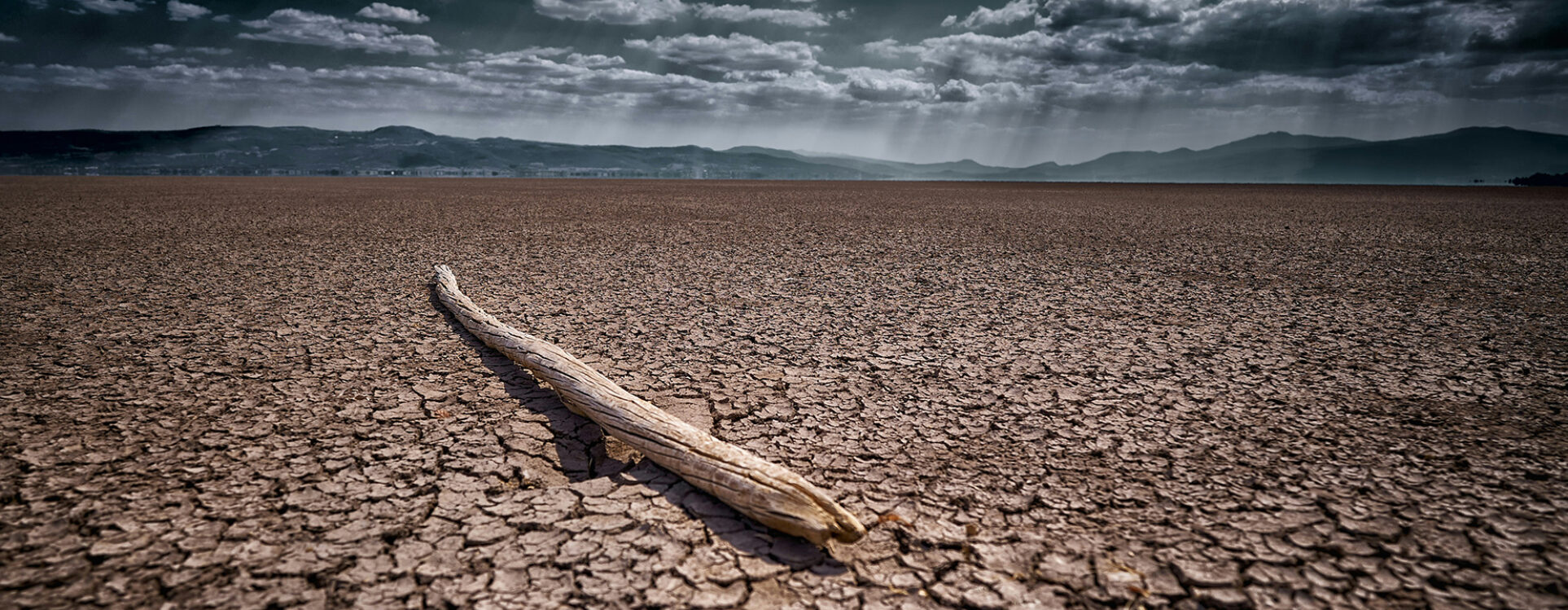
The impacts of droughts also highlight the contrast between those who bear their economic losses with government support and those who prepare to migrate to avoid hunger. The future of global balance depends on our ability to confront these inequalities and manage adaptive resources with justice and efficiency.
Climate change multiplies its victims, but not all suffer equally. © E911a
The housing market feels the heat
An indicator of the power that environmental warming is acquiring over the economy has appeared this year in Spain, one of the countries most affected by heatwaves and the general rise in temperatures.
A study published last October on SSRN (Social Science Research Network) has put figures on the impact of extreme heat on the Spanish property market. For the first time, researchers have shown that each day with temperatures above 35 °C reduces the sale price of housing in the hottest provinces — above all, Andalusia, Extremadura, and Murcia — by €1.40/m², and rents by €0.0059/m². Although house prices continue to rise nationwide, these regions are beginning to see how heat erodes property values and makes insurance more expensive.
Extreme heat is already affecting the habitability of buildings, reducing their appeal to buyers and investors. The Bank of Spain confirms this trend and recalls that not only heat, but also fires, floods, and ecological degradation — as has become evident after the deterioration of the Mar Menor, in the southeast of the country — are causing multimillion‑euro property losses. The Spanish property sector is already considering incorporating environmental variables into the planning of home sales and rentals.
The phenomenon has the opposite effect in the cooler areas of the country’s north, where prices rise slightly due to a shift in demand. In this sense, the study also offers a new perspective on the concept of climate migration, which is increasingly evident not only in Spain but also in regions of industrialised countries that are particularly exposed to adverse climatic phenomena: internal movements driven by wellbeing and safety factors are intensifying. These are slow and almost imperceptible shifts, but, as this analysis shows, they do not go unnoticed by the sensitivity of market indicators.
The case of the Los Angeles fires
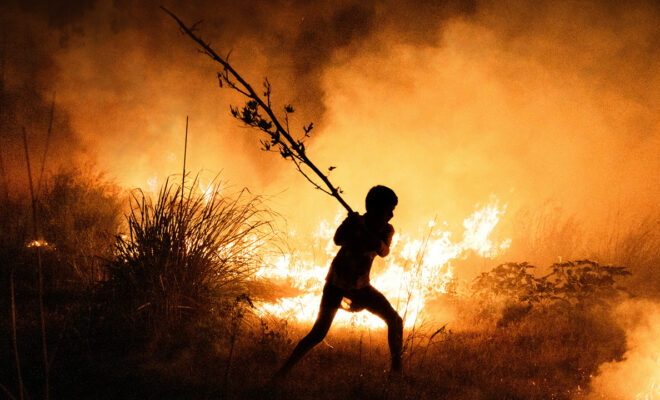
The most extreme example was the aforementioned forest and urban fires in California, whose media impact — driven by the devastation of Hollywood celebrities’ properties — was enormous. The catastrophe has become the most costly forest‑origin fire event ever recorded. Initial estimates placed insured losses between 8 and 20 billion dollars, but the annual balance from the Swiss Re Institute ultimately confirmed insured losses of around 40 billion dollars, a magnitude that underscores the enormous exposure of high‑value urban areas to new climate risks.
In the United States, a country with one of the most sophisticated property markets, the impact of the Los Angeles catastrophe has altered the perception of climate risk. California has become the first state to require home sellers to disclose fire risk, and other states vulnerable to extreme phenomena — such as Florida, which has already approved a law requiring disclosure of flood risk — are moving toward similar measures.
It is worth noting that the property portal Zillow, incorporated in 2024, introduced a tool called Climate Risk Score that provided an assessment of “climate risk” for more than one million homes. Last November, the company removed this score from its listings following complaints from estate agents and political pressure from denialist sectors. Even so, consultations of the indicator have multiplied among buyers who want to assess the estimated risk of wildfires, floods, extreme heat, and poor air quality.
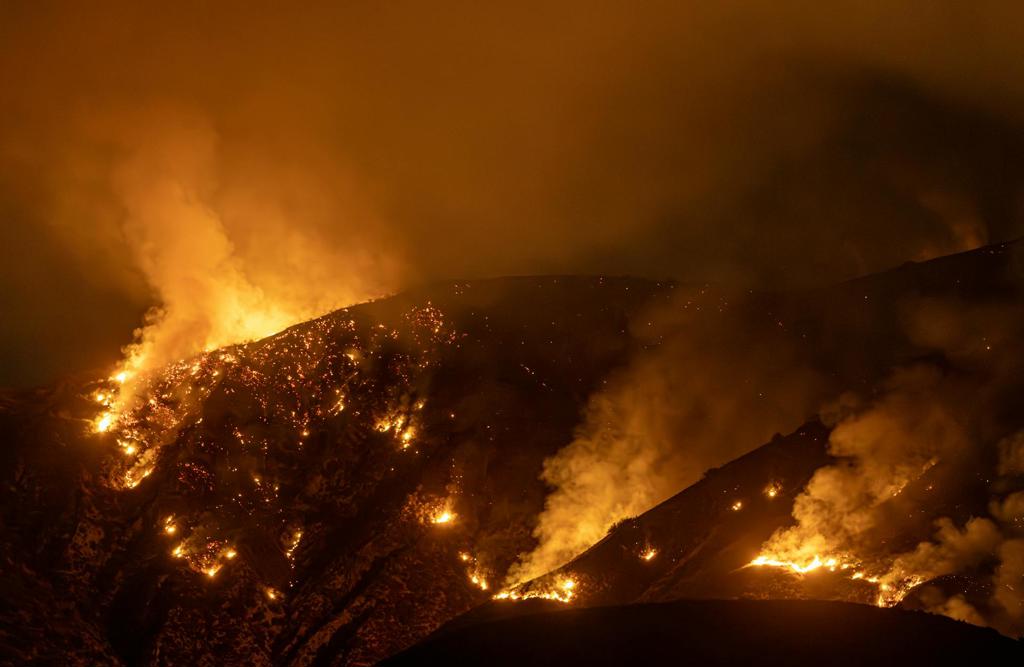
The California fires top the list of the most economically costly disasters of 2025.© pexels- solyart
2025: a disastrous year for catastrophes and imbalances
The California fires top the list of the most economically costly disasters of 2025, a year in which global data forcefully confirm what has been repeated year after year at the COPs: climate change does not affect all regions equally.
According to the Counting the Cost 2025 report by Christian Aid, the ten most devastating climate catastrophes of the year amounted to 122 billion dollars in insured losses. However, the distribution of these losses reveals a profound contrast between industrialised countries and low‑income countries.
In wealthy countries, climate disasters primarily cause economic losses, but with a much greater capacity for recovery. In contrast, in poorer countries, without the massive support of insurers and governments, extreme phenomena cause fewer direct economic losses but many more victims and displaced people, because infrastructure is more fragile and protection systems are almost nonexistent.
One example is the unequal capacity for resilience after the floods suffered by the southern US states and those that devastated Southeast Asia in November, which received far less media attention. From Thailand to Sri Lanka, passing through Indonesia, Vietnam, and Malaysia, typhoons and tropical storms caused 25 billion dollars in damage, but also more than 1,750 deaths. In the Philippines, the typhoons left more than 5 billion in damage and 1.4 million people displaced. In Pakistan, monsoon rains were 12% heavier than usual, worsening floods that affected already vulnerable communities. But these catastrophes generated hardly any compensation: in most of these countries, more than 80% of losses are not insured.
The contrast with the United States and Europe is stark: there, the majority of those affected received compensation from their insurers and government aid.
At a global scale, in just the first half of 2025, the US accounted for more than 90% of all insured losses worldwide, with 92 billion dollars in insured losses.
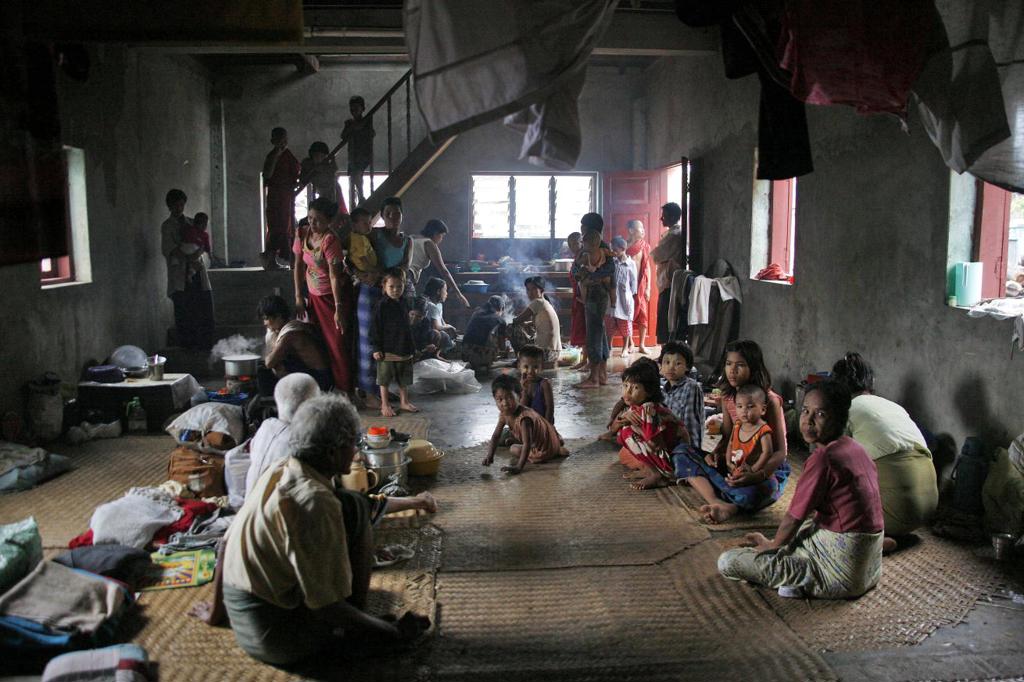
In poorer countries, without the massive support of insurers and governments, extreme phenomena cause fewer direct economic losses but many more victims and displaced people. © UNHCR
We must reverse the trend
Economic science is what provides the strongest evidence about the consequences of human activity. From traffic accidents to epidemics and pandemics, to the depletion of resources, the monetised data generated by financial analysis observatories, insurance companies, and government departments sparks many discussions but is rarely challenged by the sectors involved. In the face of climate change, something similar occurs: the data are incontrovertible, showing unequivocal trends.
Fires, droughts, and floods continue to dominate mortality and famine statistics, but they are no longer the only threats. The growing incidence of heatwaves on health and demographic evolution, together with the losses of natural capital caused by the deterioration of biodiversity, has burst forcefully into the reports of economic institutions of all kinds.
The pattern is clear: industrialised countries bear the bulk of the quantitative losses, while poorer countries bear the greatest human and social burden. The gap in adaptive capacity widens year after year. How long will we go on delaying the response?

Fires, droughts, and floods continue to dominate mortality and famine statistics, but they are no longer the only threats.© UN Photo / Ilyas Ahmed