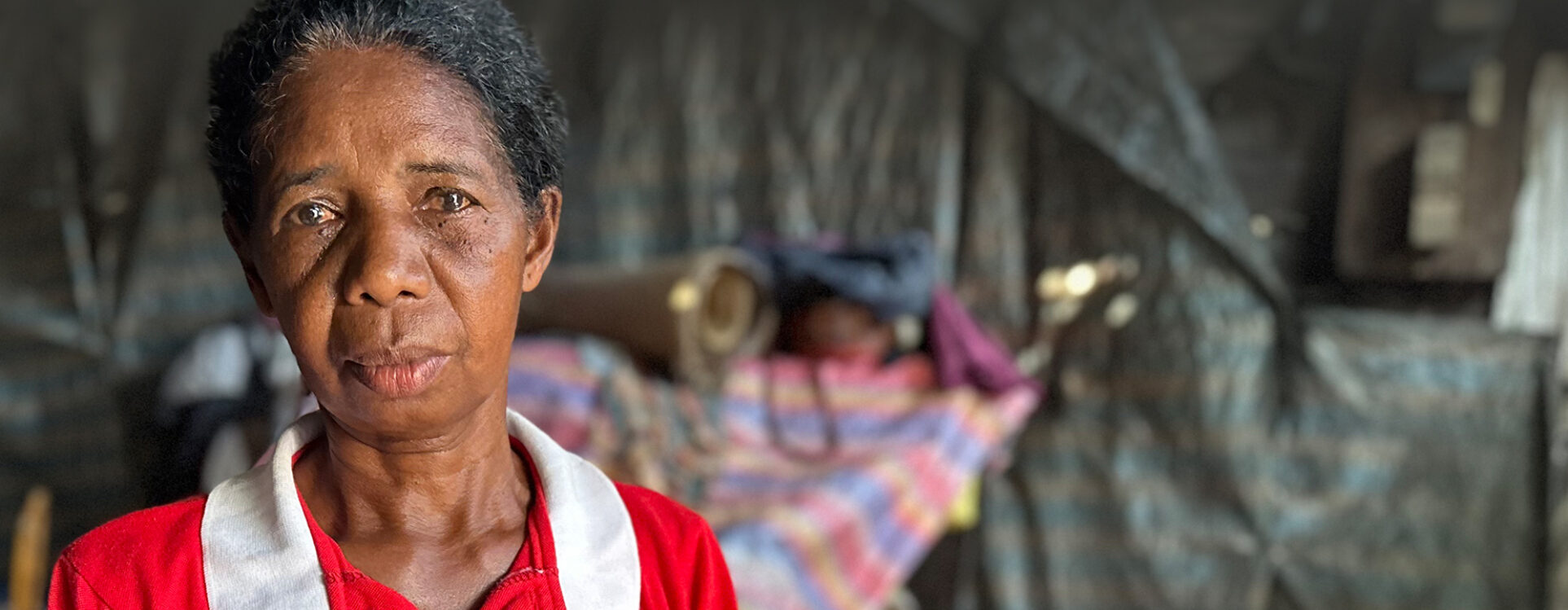
In recent years, the south of Rajasthan has received less rainfall than usual, and the population faces the start of each monsoon season with growing apprehension. When, in December 2022, we completed the water-access installations in four villages in the Pratapgarh district, more than 1,500 women and girls from the 780 beneficiary families gained a tangible benefit: two extra hours each day, no longer having to leave the village to fetch water. Along with that, villagers experienced the relief of consistent access—reassurance that wells would not run dry as they did during the harsh 2020 monsoon drought.
With this intervention, the communities gained control over their own water resources. The hub‑and‑spoke system we installed with World Vision uses 5,000‑litre tanks powered by solar pumps to extract groundwater. This model guarantees access and also provides safety in the final stretch. Water reaches the community source potable from the point of extraction, solving a frequent problem from before. Women from the community handle facility maintenance. The newly created water committees, together with Public Health Engineering Department (PHED) staff — the government body for drinking water and sanitation — now have the technical capacity to manage groundwater.
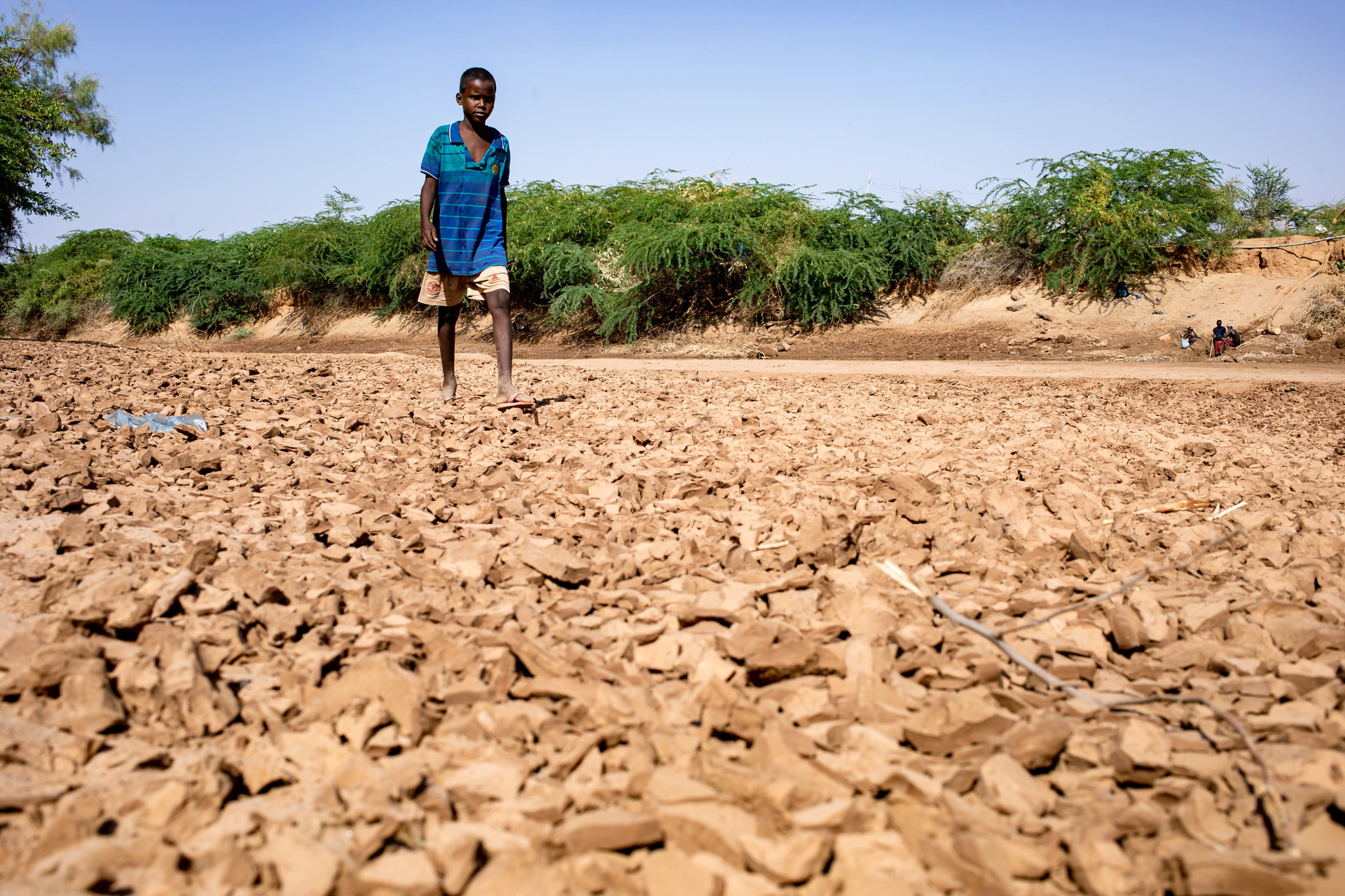
Wherever water becomes scarce or unpredictable, physical and emotional vulnerability rise in tandem. © IOM/TransLieu/Taxta
In addition, the communities have been trained to preserve groundwater through vegetation cover restoration. Their improved understanding of the water cycle now enables them to detect early signs of water stress. They can regulate extraction responsibly.
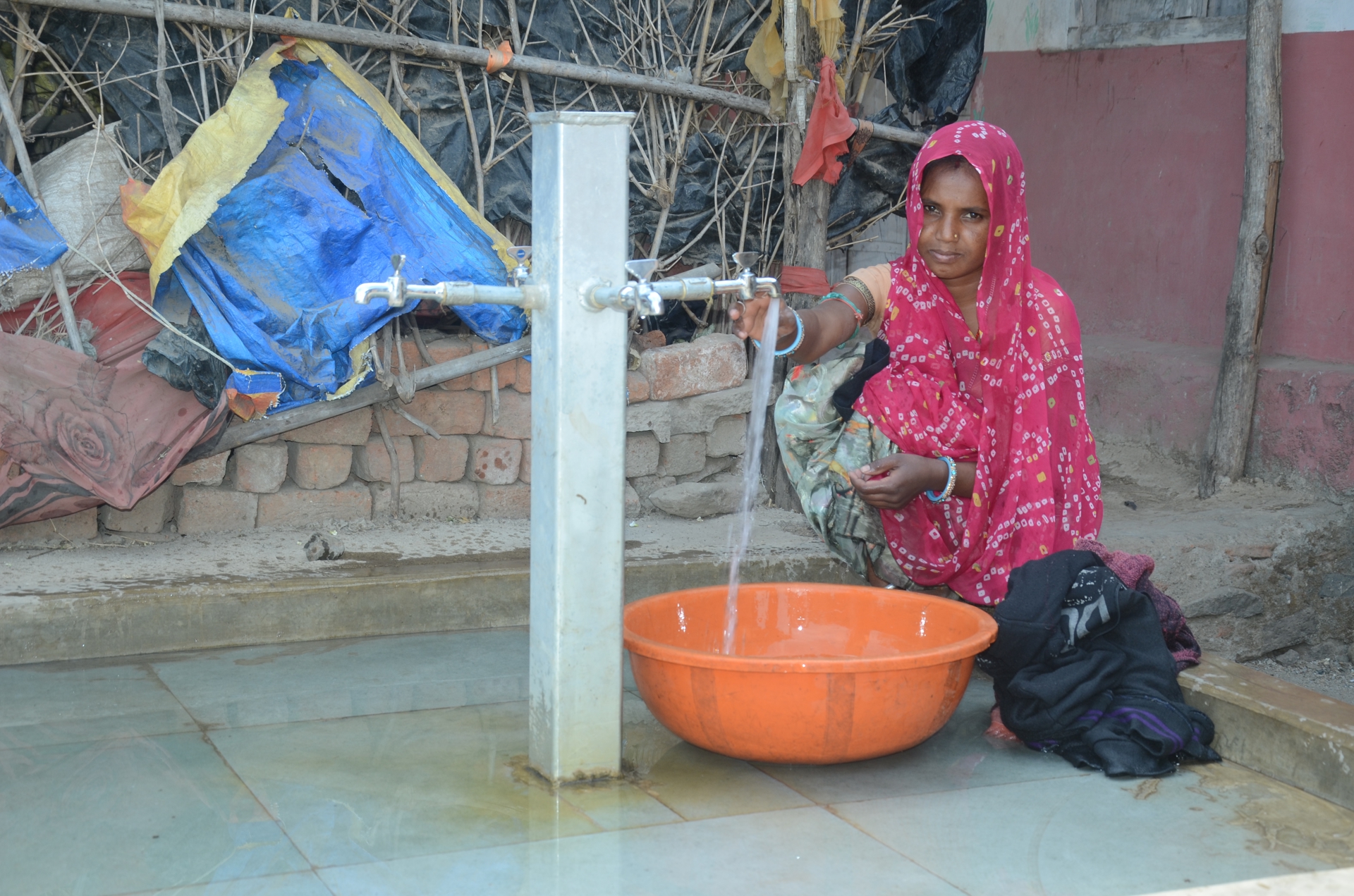
When, in December 2022, we completed the water-access installations in four villages in the Pratapgarh district, more than 1,500 women and girls from the 780 beneficiary families gained a tangible benefit.
Mental health: the increasingly visible burden of climate change
The relief experienced by the communities of Pratapgarh is a psychological benefit that is difficult to measure yet profoundly real. The reassurance of knowing that water will arrive each day soothes the tension built up over years of uncertainty. This emotional dimension is often absent from technical indicators, even though the UNDP (United Nations Development Programme) warns that, by 2030, the additional cost of mental health disorders linked to climate hazards, air pollution, and the lack of green spaces will reach 47 million dollars per year.
The psychological effects of climate change described by the UNDP include distress, anxiety, a sense of vulnerability, and the emotional burden from water scarcity. Recent research in Social Psychology supports these effects. The study Eco-anxiety or simply eco-worry? (2025, published in Frontiers in Psychology, distinguishes between eco-worry, a persistent yet functional concern, and eco-anxiety, a more intense and overwhelming emotional state. Research shows that eco-worry is much more common and is closely linked to the perception of specific environmental threats. In places where the climate becomes unpredictable and in communities that depend directly on water, this concern intensifies. It can develop into full-fledged climate anxiety.
Climate anxiety begins with water
When water becomes scarce or unpredictable, the emotional stability of communities erodes. Extreme weather events that stop following recognisable patterns compound this effect. The capacity to adapt to climate change weakens. In effect, climate anxiety begins with water. Water stress and scarcity are not just material problems: they are constant reminders of vulnerability. We see this in our projects: when a well dries up, when a river stops flowing, or when a storm destroys sanitation infrastructure, people experience:
- Chronic uncertainty: not knowing whether there will be water tomorrow for drinking, cooking, or farming.
- Loss of control: the sense that the climate dictates daily life.
- Anticipatory fear: the expectation of future disasters, droughts, or floods.
This sustained stress fosters what is often described as climate distress, especially among young people who sense an increasingly unstable future.
Conflicts over water, when they arise, are often linked to violence and war. These episodes leave deep social and community trauma. The psychological scars — the breakdown of social fabric, mistrust, fear of violence — affect mental health as much as the lack of water itself.
Habitat loss is another powerful trigger for climate anxiety. Climate displacement is rising, and the United Nations notes that the 7.7 million people internally displaced by weather-related threats in 2023 could become 216 million by 2050. Each displacement brings the loss of home, identity, family and community connections, economic security, and the grief caused by environmental degradation.
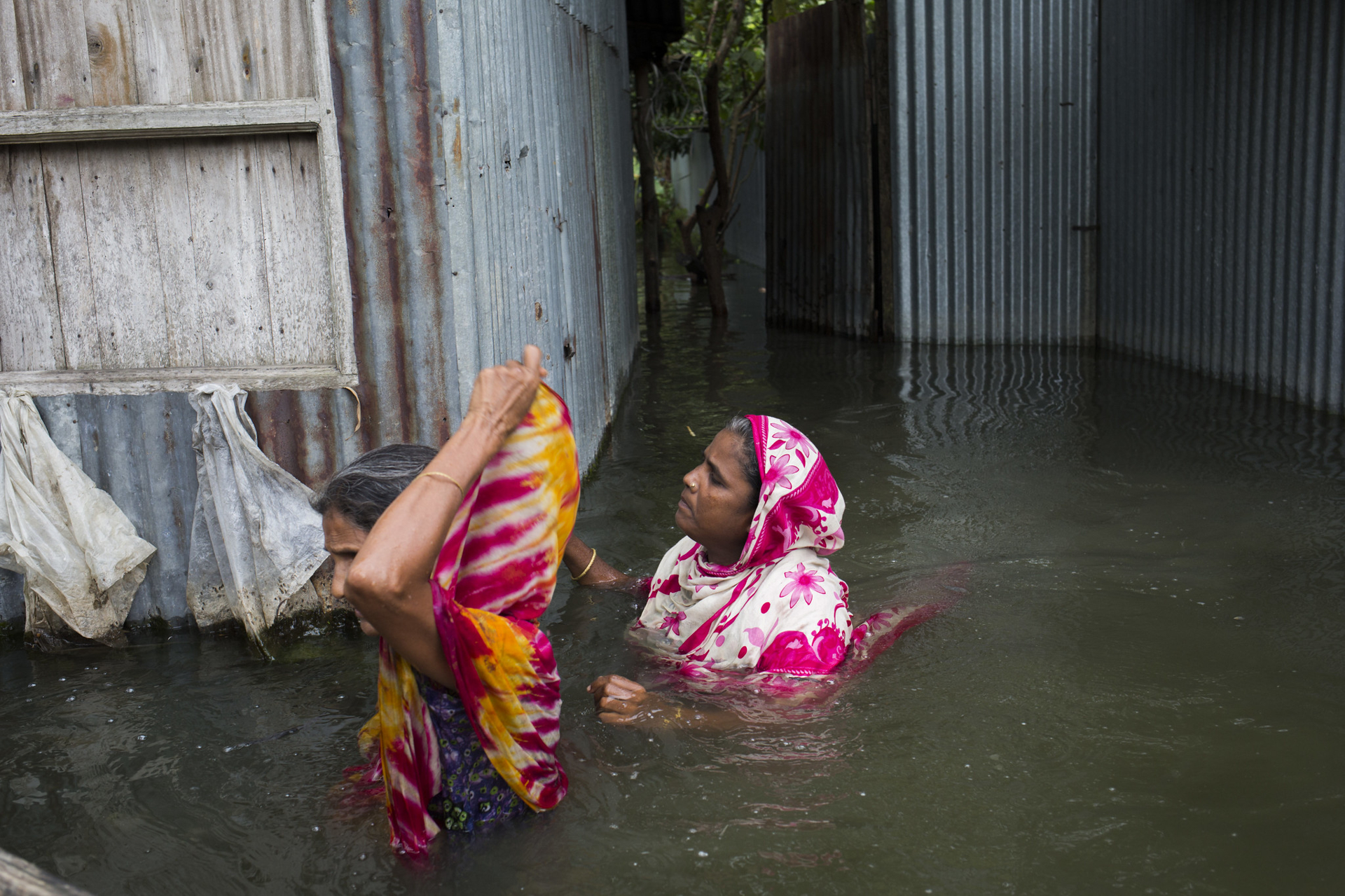
When water becomes scarce or unpredictable, the emotional stability of communities erodes. Extreme weather events that stop following recognisable patterns compound this effect.© Bangladesh Red Crescent
The psychological cost of living with contaminated water
In fragile health systems of low‑resource communities, the lack of water undermines hygiene, infection prevention, and maternal and child care. When water sources are contaminated by floods, fires, or poor waste management, communities live in constant fear of illness. Reports indicate that this situation causes hypervigilance and parental stress, especially among women responsible for caregiving. It also brings a sense of institutional abandonment and a growing loss of trust in health systems and local governance.
This stress does not affect families alone. It also impacts medical staff. The UNDP report notes that one in three health centres lacks the resources to manage its waste, worsening water contamination. This, in turn, heightens community anxiety. We know this reality first-hand and address it in our projects. We provide safe water and sanitation systems in health centres in Sierra Leone, Senegal, and Chengalpattu (India). In these locations, we have made health centres more climate‑resilient. They have continuous access to safe water and sanitation, even during storms, floods, or droughts.
After disasters, control over infrastructure
People living in a constant state of vulnerability endure psychological pressure. Relief comes from having infrastructure that can withstand natural disasters. This was shown in the documentary we produced following our intervention in the Río Ceniza water system, destroyed by the Volcán de Fuego eruption in Guatemala.
Although in this case the cause was not exclusively climate-related, the anticipation of losing essential resources such as water, combined with uncertainty and a sense of powerlessness, greatly intensifies community anxiety. Yet wherever water returns, hope gradually rebuilds. When a community is empowered to manage its own supply, peace of mind becomes a powerful asset for development—transforming people’s relationship with their land and their future.
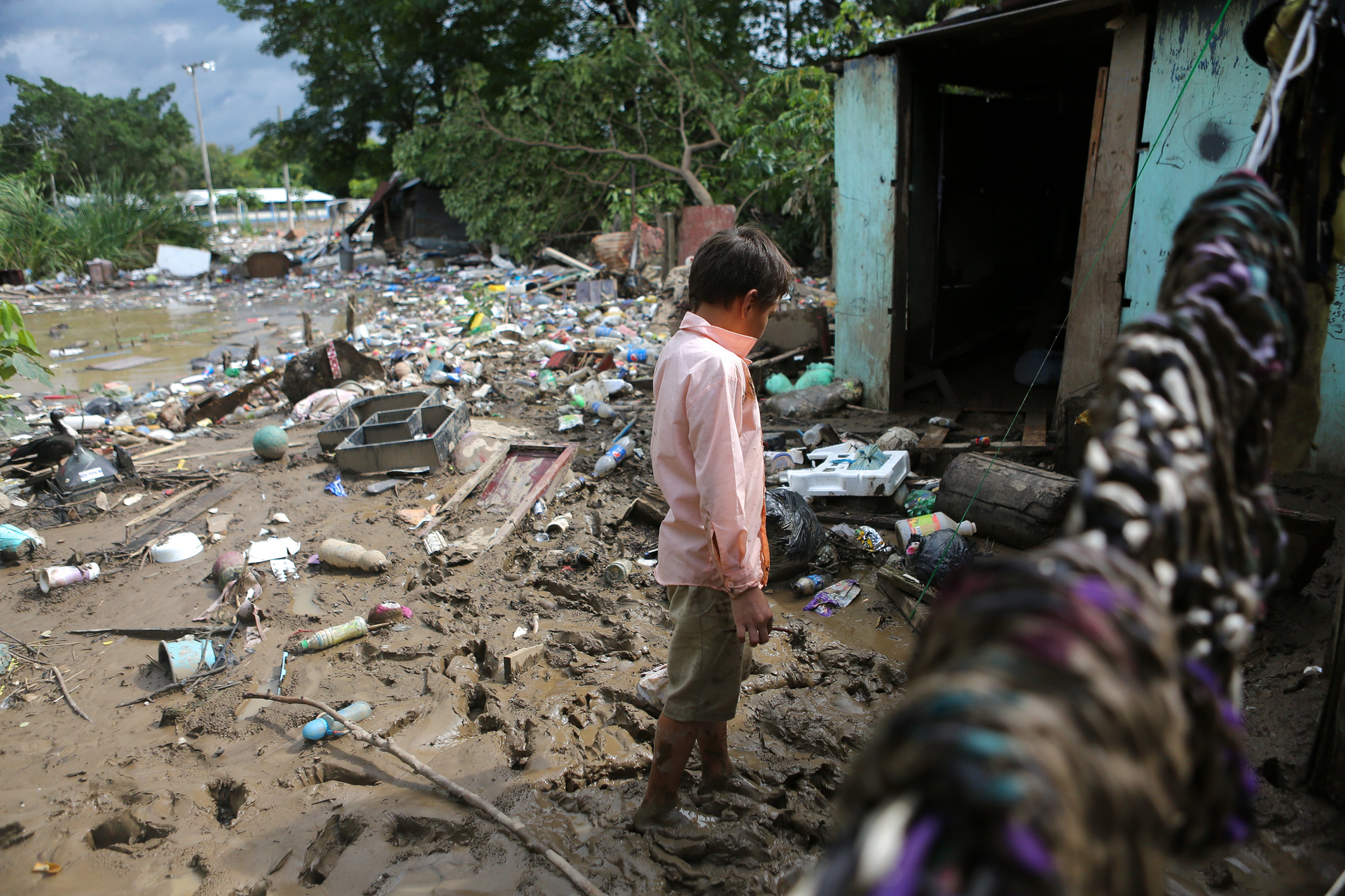
People living in a constant state of vulnerability endure psychological pressure. Relief comes from having infrastructure that can withstand natural disasters. © European Union (D. Membreño)