Pulliyankannu, Ranipet District, Tamil Nadu, India, India
In collaboration with
May 2026 – December 2026
We address critical gaps in school sanitation infrastructure and promote appropriate hygiene practices through an integrated approach.
Objectives
- Ensure access to safe sanitation infrastructure in schools, particularly for girls.
- Strengthen education and training in water, sanitation, general hygiene and menstrual hygiene.
Beneficiaries
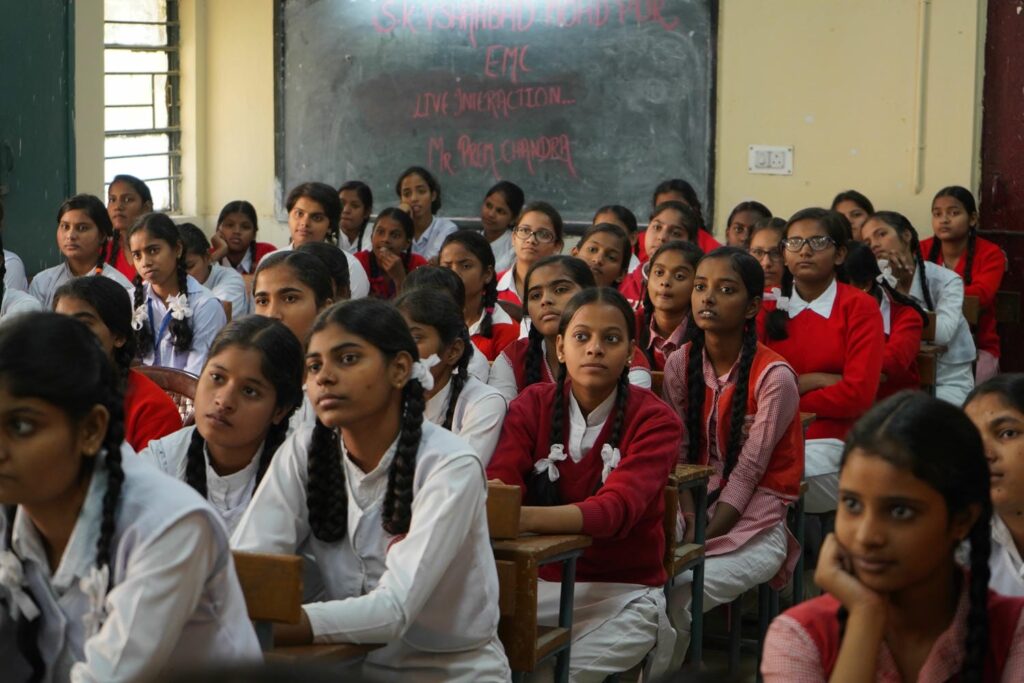
3,005 direct
All under 15 years of age, including 2,694 girls.
On the ground
Critical gaps in school sanitation infrastructure and lack of hygiene education
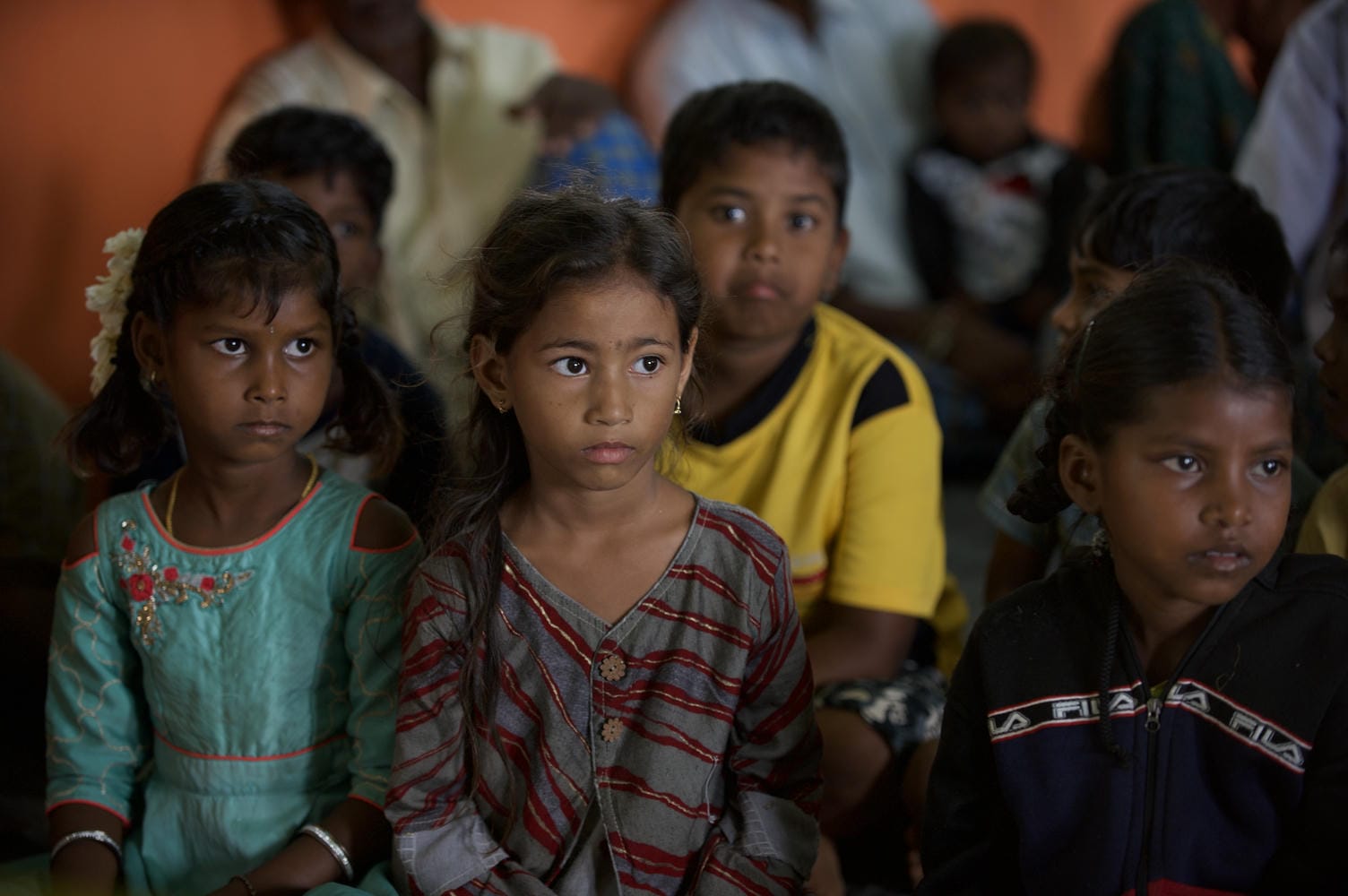
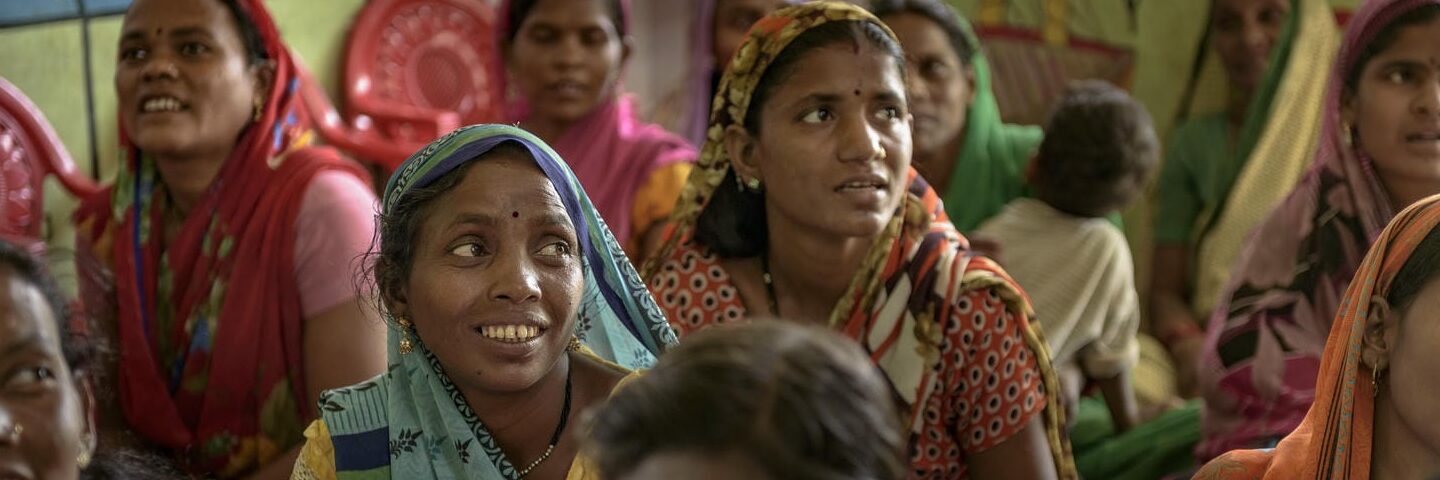
Schools in Pulliyankannu village face severe deficiencies in sanitation infrastructure and a structural lack of hygiene education. Water scarcity and the absence of adequate facilities exacerbate absenteeism, especially among adolescent girls during menstruation, due to the lack of clean toilets that ensure privacy and appropriate conditions for intimate hygiene.
Communities also lack adequate water and sanitation services, with high levels of open defecation, recurrent diarrhoeal diseases, and contamination of soil and water.
The availability of clean latrines, handwashing facilities, and hygiene education is essential to improving community health and reducing school absenteeism. Handwashing practices, reinforced through the washing unit and awareness sessions, help consolidate preventive habits among children.
Educationally, Pulliyankannu requires a safe, clean and child‑friendly learning environment. Socially, access to dignified sanitation facilities reduces stigma, improves safety and supports inclusion, particularly for girls and children from marginalised communities.
In detail
Basic project actions
- Construction of new 35 m² latrine blocks
- Renovation of existing facilities, including the girls’ urinal block
- Installation of a handwashing unit with multiple taps
- Construction of a 10,000‑litre septic tank for proper waste management
- Repair of the perimeter wall
- Improvement of an access path with slab paving to enhance accessibility and cleanliness
In addition, the project incorporates hygiene education for students, teachers and the community, ensuring proper use and sustainable maintenance of the facilities.
Activities
1. Situation analysis and technical assessment
- Review of on‑the‑ground conditions, existing infrastructure and available support.
- Selection of sites.
- Obtaining government permits.
2. Orientation and awareness
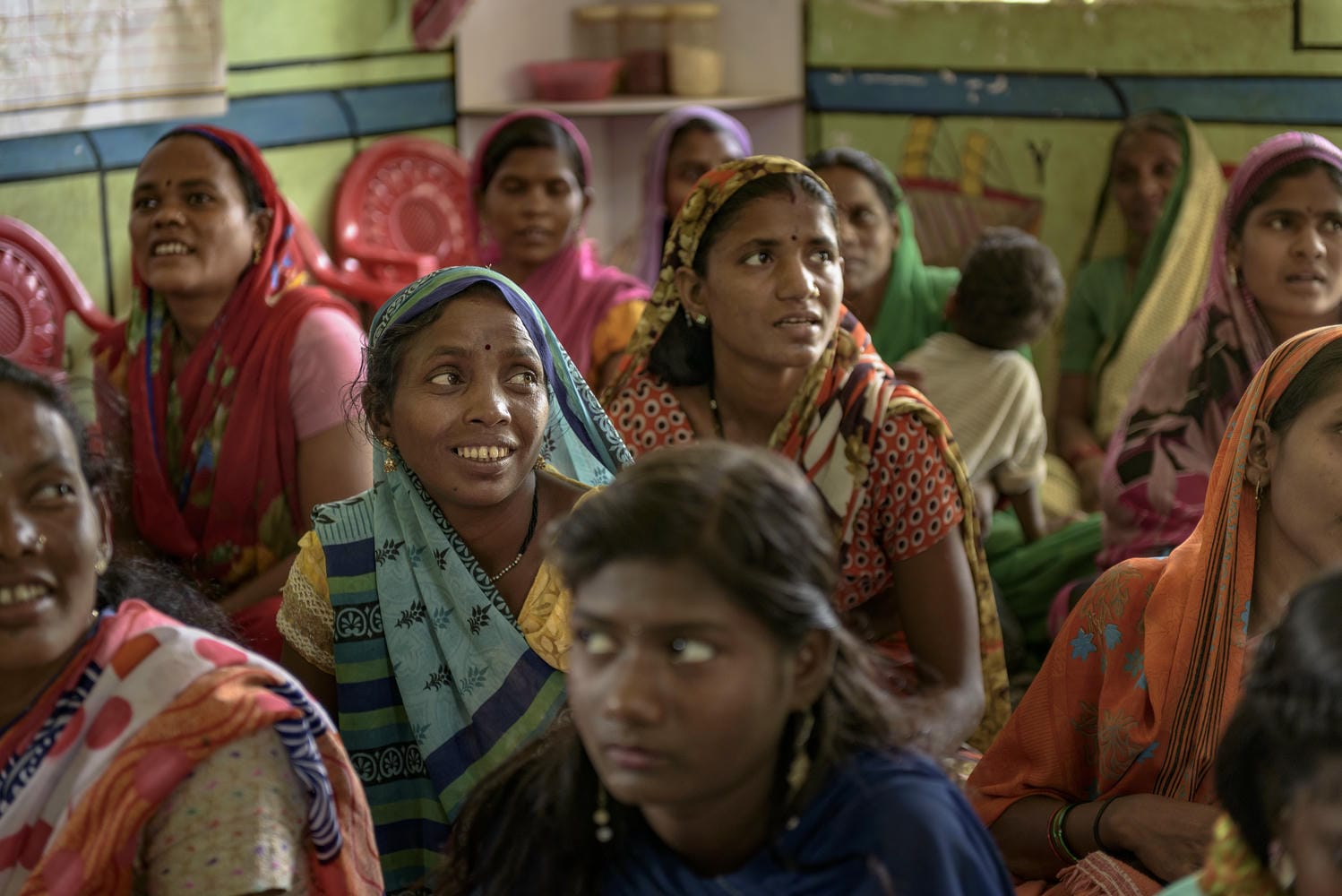
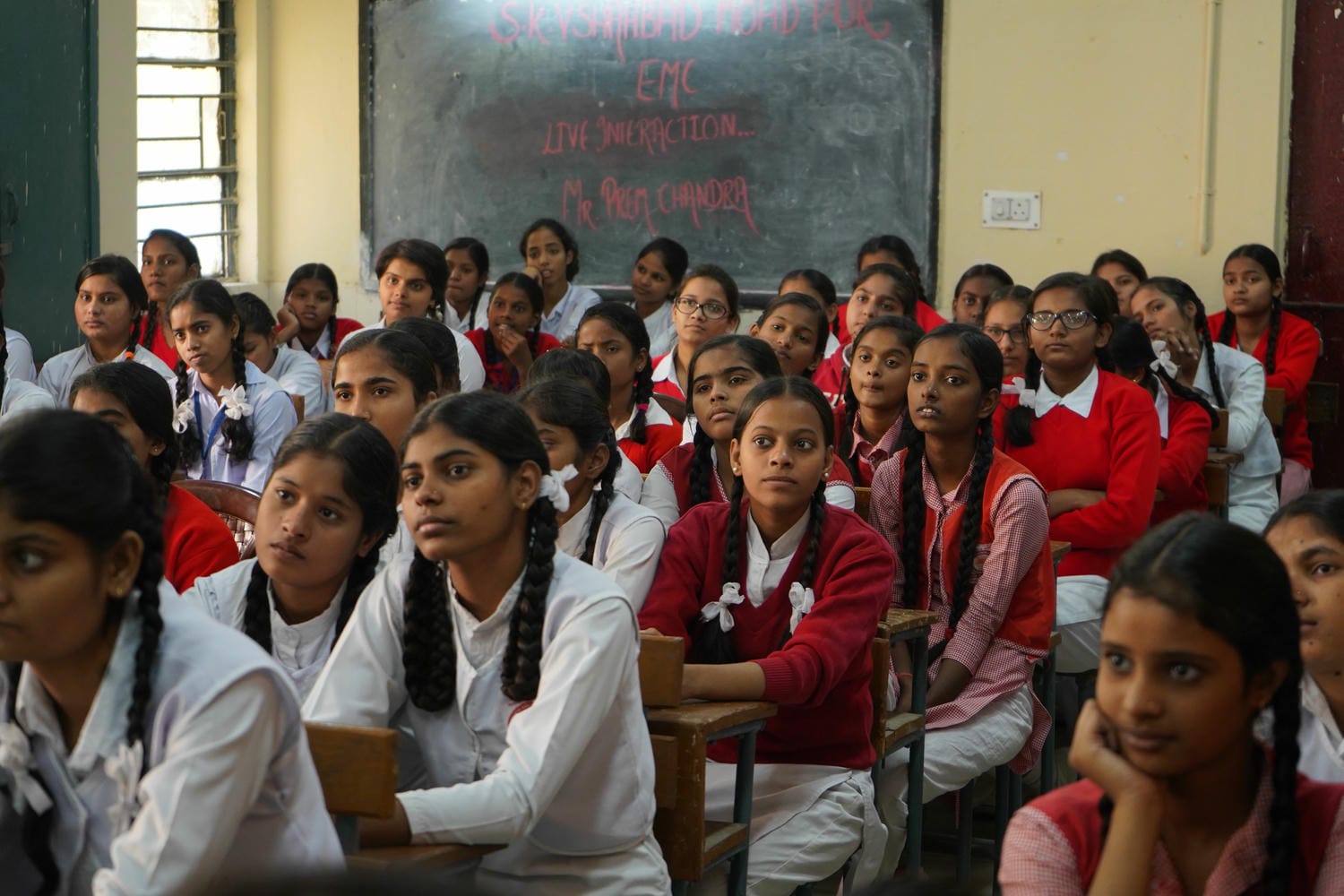
- Presentation of the project to students, teaching staff and the community.
- Familiarisation with the layout of new facilities and water‑use and maintenance practices.
- Sessions on personal hygiene (handwashing and menstrual hygiene).
- Promotion of behaviour change towards cleanliness.
- Addressing social taboos and facilitating dialogue on adolescent girls’ needs and responsible use of shared facilities.
3. Training programmes for users and maintenance staff
- Proper use of latrines and urinals.
- Water conservation.
- Cleaning after each use.
- Cleaning procedures and schedules.
- Waste management and septic system maintenance.
4. Technical assistance and supervision
To ensure appropriate materials and compliance with design and construction timelines.
5. Execution, monitoring and supervision
- Regular field visits.
- Periodic progress reviews with field teams, authorities and experts.
Sustainability prospects
Although immediate improvements in infrastructure and use can be observed quickly, long‑term impacts — such as consolidated behaviour change, sustained health improvements and better educational outcomes — require continuous follow‑up.
The project includes specific measures to ensure effective monitoring and evaluation:
- Collection and maintenance of appropriate information on educational and communication materials
- Needs assessment and baseline study in the intervention area to update relevant data on population and implementation
- Supervision through regular visits and periodic review meetings
- Submission to the donor of complete reports on the sanitation unit and the overall project