
Rathana Kothuru, Thuggali Mandal, distrito de Nandyal, Andhra Pradesh, India, India
In collaboration with

February 2026 – December 2026
Achieving a balanced ecosystem by protecting limited natural water resources and ensuring sustainable agriculture.
Objectives
- Improve agricultural and domestic water security by constructing a check dam, rehabilitating a tank, and recharging groundwater resources.
- Increase agricultural productivity by ensuring efficient irrigation, enabling improved yields and higher farmer incomes.
- Reduce soil erosion by controlling runoff, improving soil quality, and promoting sustainable and self‑sufficient crops.
Beneficiaries
570 direct
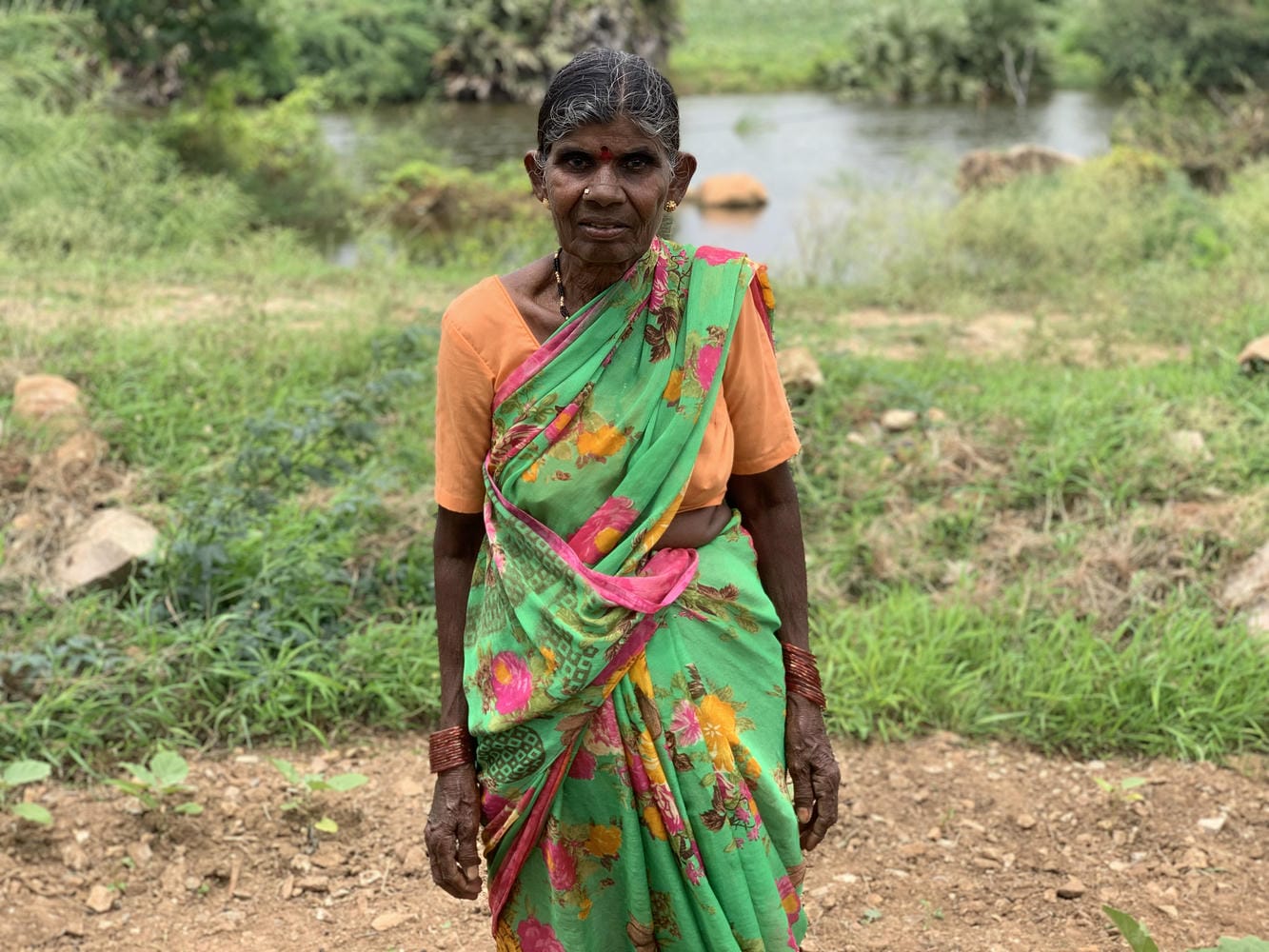
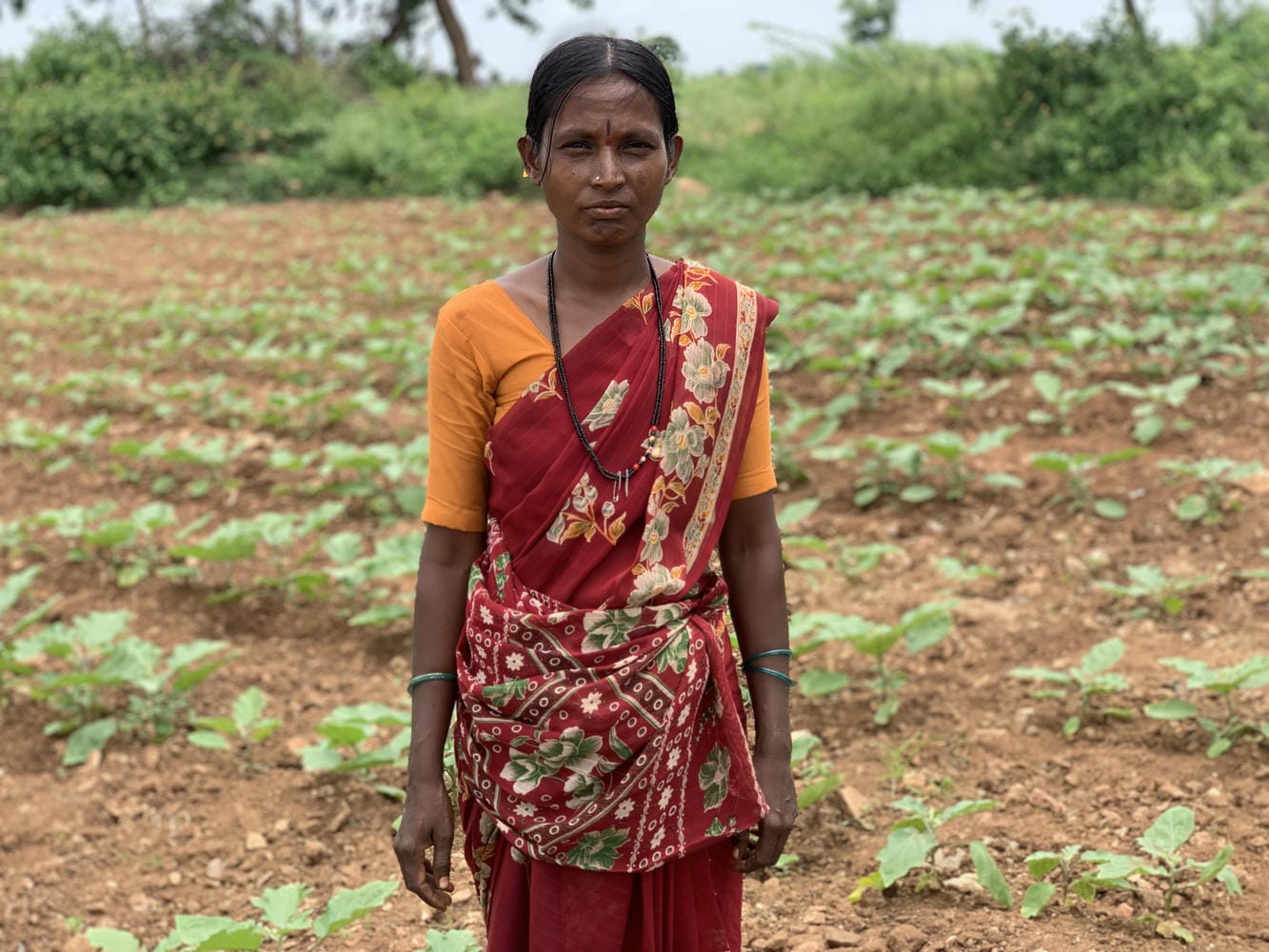
180 children under 15 and 216 women.
Members of the 100 farming families in the watershed.
On the ground
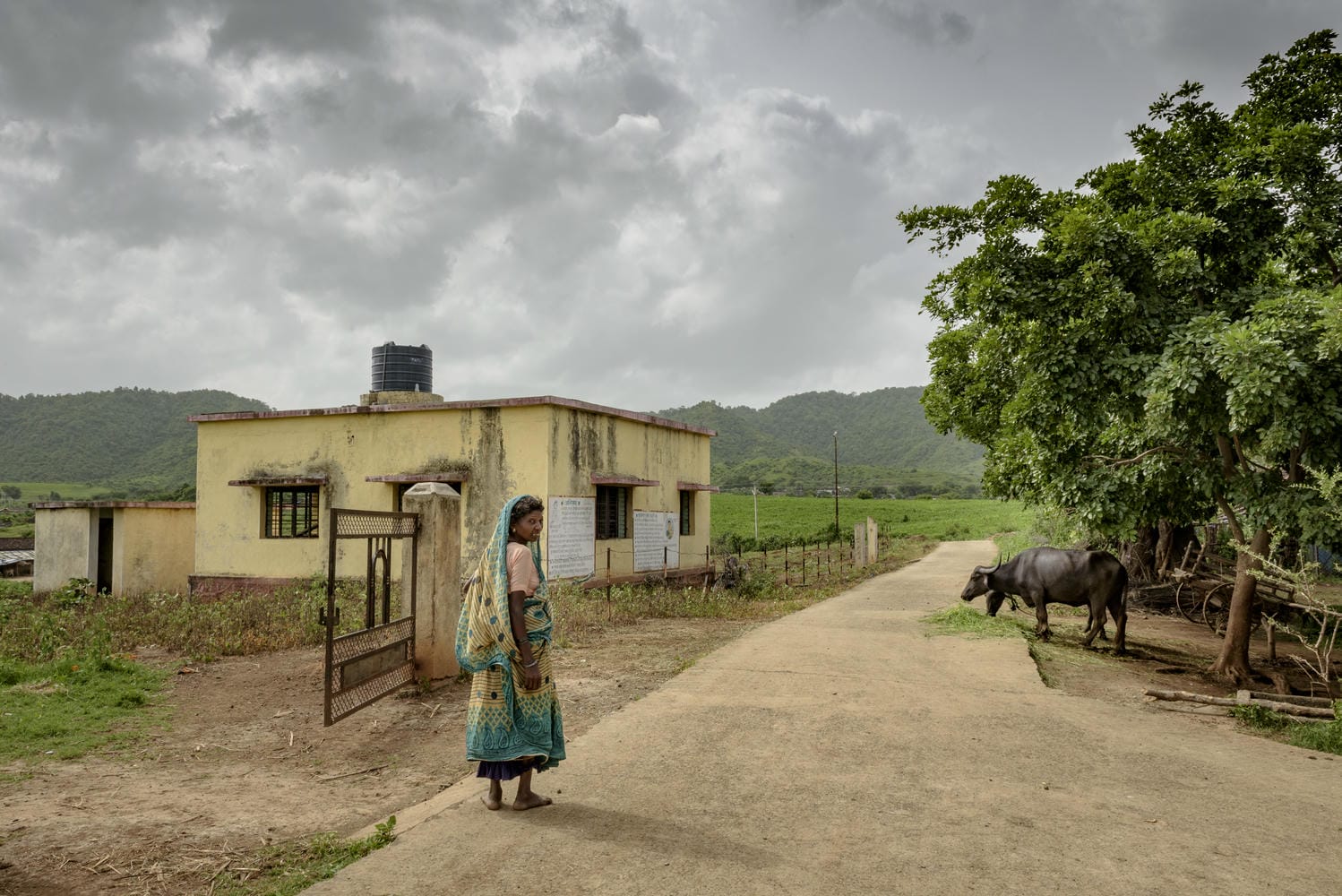
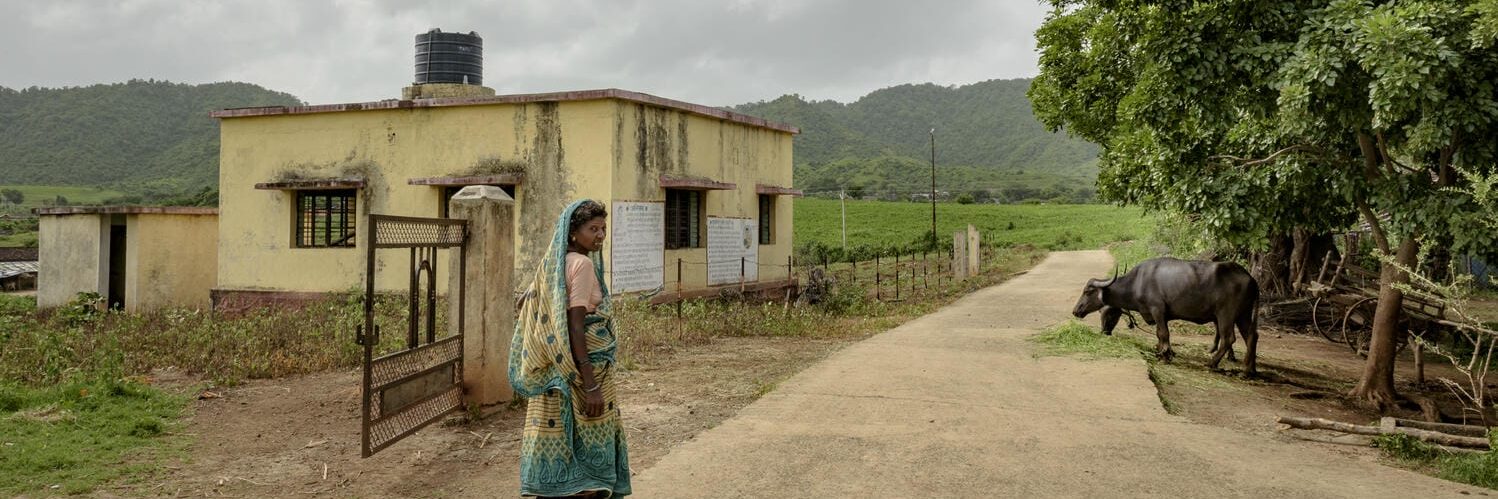
Rathana Kothuru village lies in a rain‑shadow zone where rain-fed agriculture is no longer viable.
Due to altered rainfall patterns, many farmers now depend on irrigation through borewells.
As a result, many farmers now rely on borewell irrigation. However, recurrent droughts and irregular and insufficient rainfall have caused a significant decline in the groundwater table.
As existing borewells stopped yielding water, farmers were forced to invest large sums in drilling new ones, increasing their financial burden and leading to rising indebtedness. This economic pressure has driven many people to migrate to urban areas in search of livelihoods, leaving their families vulnerable. Consequently, agriculture in the region has become increasingly unsustainable.
The project addresses the structural cause of these problems by improving groundwater resources through the rehabilitation of an old tank and the renovation of a check dam in Ram Konda, near Rathana Kothuru. These climate‑resilient interventions will retain monsoon runoff and ultimately improve aquifer recharge and water availability for both agriculture and domestic needs.
The project tackles the critical issue of water scarcity by restoring and recharging groundwater resources essential for agriculture and human consumption. The initiative includes the rehabilitation of an old tank in Kotha Kunta Vanka, near Ramkonda, and the restoration of a check dam in Adda Konda Vanka, near Rathana Kothuru.
Project implementation enables substantial improvements in groundwater availability, directly benefiting farmers by enabling sustainable agricultural practices. With a more secure water supply, farmers can achieve more stable incomes and improve their quality of life.—
Environmental data for Rathana Kothuru
- Average annual rainfall: 635 mm
- Average borewell depth: 91.44–106.68 metres
- Average water availability depth: 60.96–76.20 metres
In detail
The project involves constructing a check dam in the watershed and rehabilitating a severely deteriorated old tank.
Activities
- Organisation of training meetings and orientation sessions for farmers and members of the Ecological Development Committee (EDC)
- Rejuvenation of an old tank
- Construction of a check dam at Adda Konda Vanka
- Planting of native species on the tank embankment
- Monitoring and follow‑up
- Post‑completion support
Sustainability prospects
Given the area’s geographical conditions, the proposed interventions are practical and feasible. By improving groundwater availability, the project supports sustainable agriculture as the primary livelihood for farmers. It also helps reduce socioeconomic inequalities and curb urban migration by creating employment opportunities for agricultural workers. The resulting stable, sustainable income is the main contributor to their quality of life.
The project also emphasises the interdependent relationship between people and nature, fostering ecological balance and sustainability.
The quality of the work and active community participation are essential to ensuring long‑term sustainability. High priority is given to procuring quality materials and employing skilled labour, while encouraging community involvement to maintain transparency and standards.

Members of the Ecological Development Committee (EDC) participate actively at every stage of the project, including inspections, procurement of materials, finalisation of rates, and payment to suppliers. Once completed, the project is formally handed over to the EDC in the presence of the local community, with an official certificate.
During implementation, awareness programmes highlight the importance of maintaining the structures to ensure their long‑term functionality.