Malakheda, Alwar, Rajasthan, India, India
In collaboration with

April 2026 – December 2026
We provide dedicated facilities to support female students in menstrual hygiene management, carry out awareness activities, and promote consistent hygiene practices.
Objectives
- Construction and rehabilitation of water, sanitation and handwashing facilities
- Development of hygiene awareness campaigns, particularly on Menstrual Hygiene Management (MHM)
Beneficiaries
4,760 direct
4,638 girls and 122 boys enrolled in the two schools.
On the ground
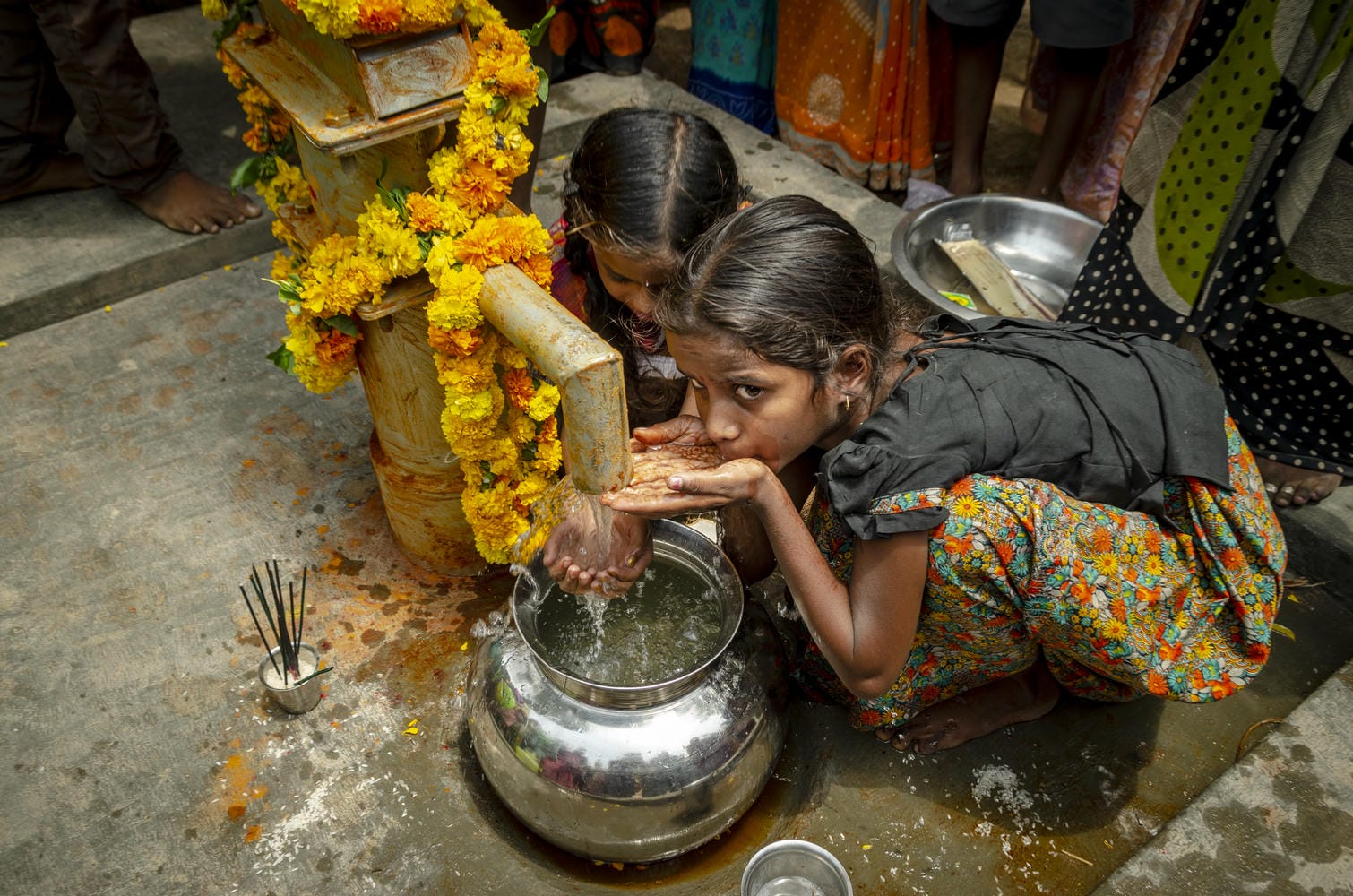
Insufficient water, sanitation and hygiene affecting students’ education and health
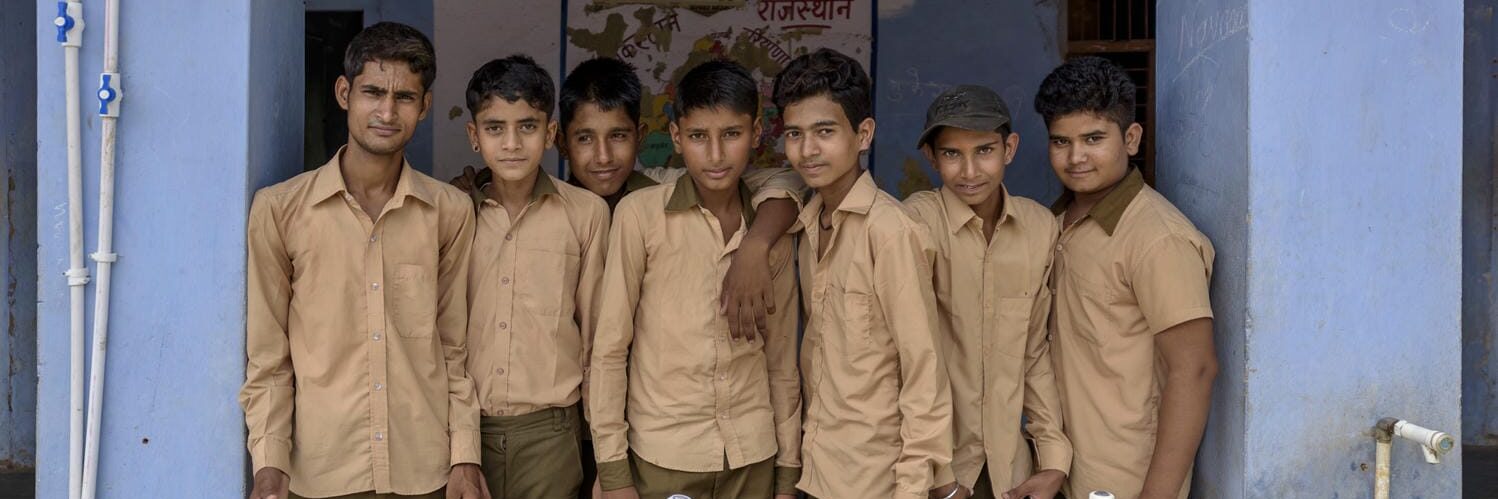
Many schools and colleges in Alwar, Rajasthan, continue to face challenges related to inadequate water and sanitation facilities, including a lack of safe drinking water, unreliable water supply, non‑functional toilets, and inadequate handwashing stations.
Poor sanitation and hygiene conditions particularly affect health, attendance and the learning environment, with a significant impact on adolescent girls.
In the two schools — Gauri Devi Rajakia Mahila Mahavidyalaya in Alwar and Government Senior Secondary School in Malakheda — this situation is evident, and the intervention will strengthen water, sanitation, and hygiene facilities to create a safer, healthier learning environment.
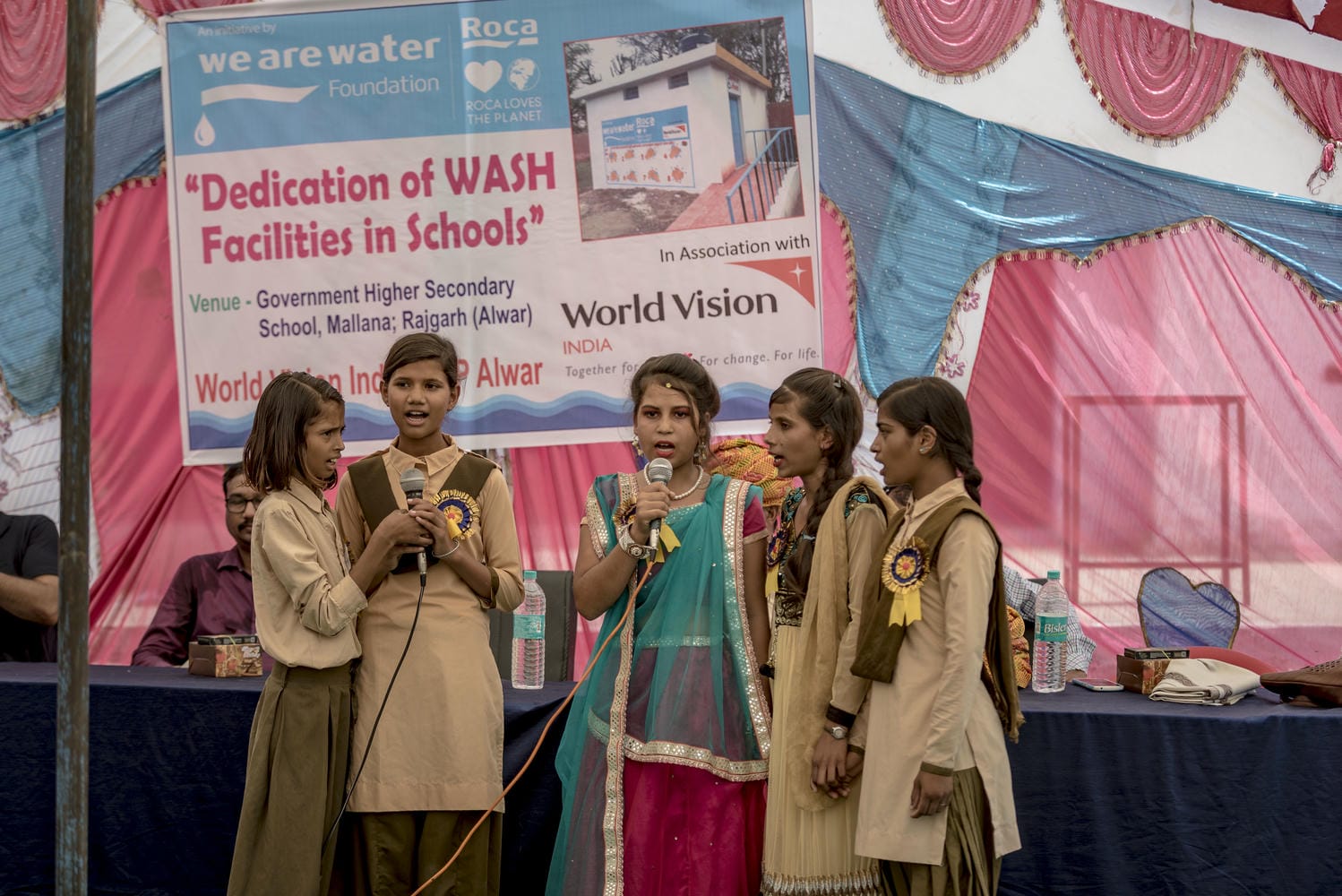
In addition to infrastructure support, the project promotes hygiene awareness and healthy practices among students and staff, contributing to improved well‑being, dignity and educational participation.
In detail
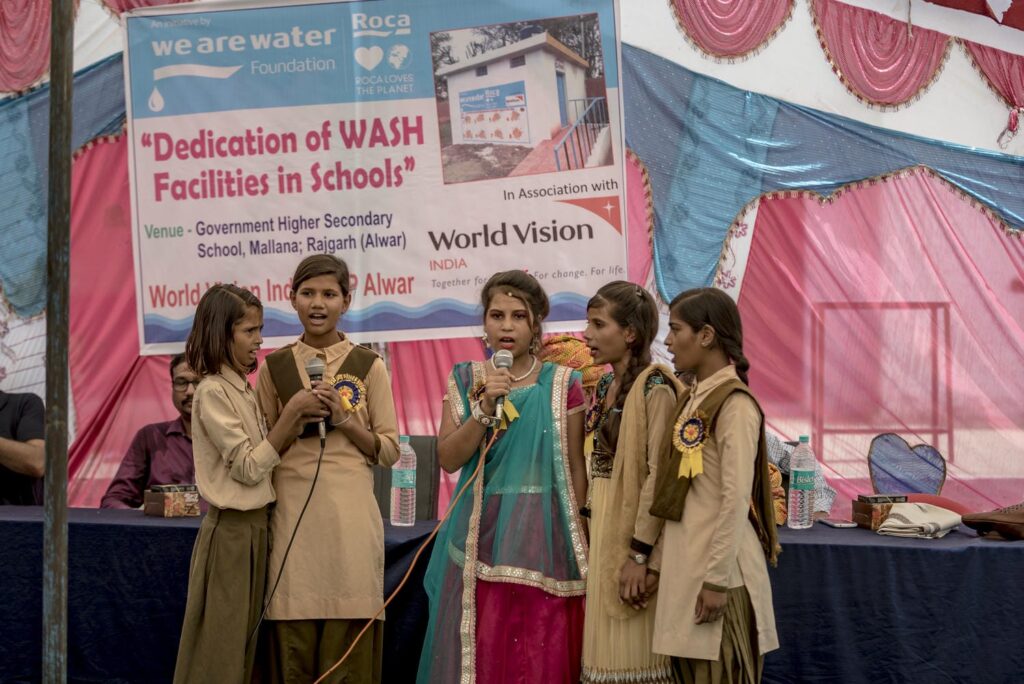
The project includes:
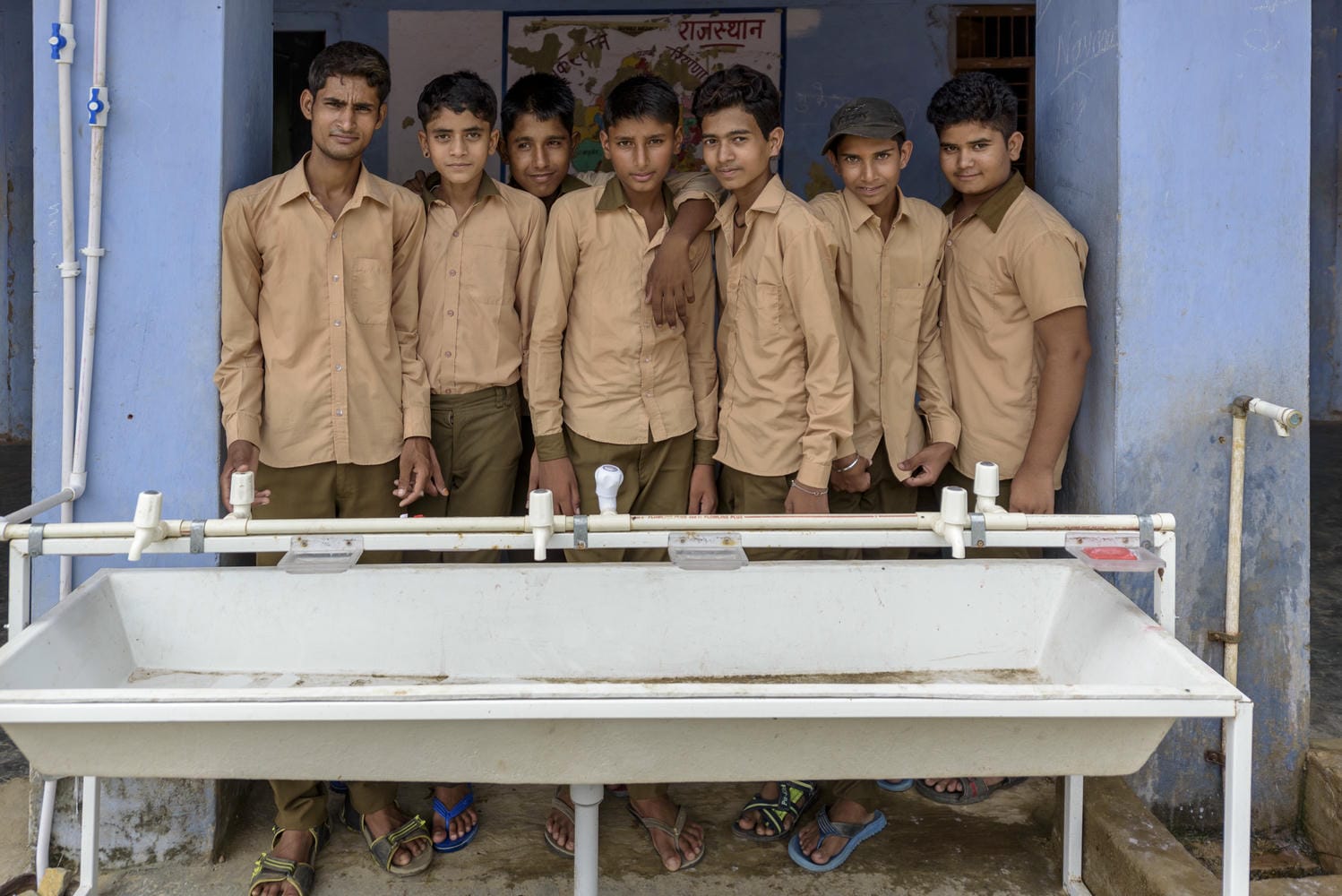
- Construction of handwashing stations with multiple taps to promote hygiene practices
- Construction of a boys’ latrine block at Government Senior Secondary School in Malakheda
- Repair and reinforcement of the existing rainwater harvesting unit
- Supply and installation of water coolers with filters and metal stands
- Design and installation of IEC informational and educational murals, and awareness sessions on MHM, personal hygiene and appropriate water and sanitation practices
- Installation of incinerators for the safe disposal of menstrual waste
- Training and strengthening of Water Committees for sustainable maintenance of facilities
- Coordination and networking with government actors for effective implementation
Implementation process
- Installation of handwashing stations and sanitation facilities
- Construction and rehabilitation of sanitation facilities
- Development of awareness campaigns
- Installation of water filtration and cooling units
Sustainability prospects
Strengthening School Management Committees is crucial for maintaining facilities.
Trained and empowered committees participate in decision‑making on the maintenance and improvement of water, sanitation and hygiene infrastructure, supervise the appropriate use of resources, and ensure the upkeep of facilities such as handwashing stations and toilets.
Their involvement in planning, monitoring, and maintenance helps establish sustainable practices and ensures a clean, healthy school environment.
The organisation has a highly skilled team in programme management, monitoring and evaluation, knowledge management, advocacy, infrastructure construction and technical support.
The team updates its knowledge through workshops, seminars and learning processes derived from programmes implemented and evaluated at national and international levels, strengthening competencies in evidence‑based evaluation, technical design, innovation and sustainable approaches.