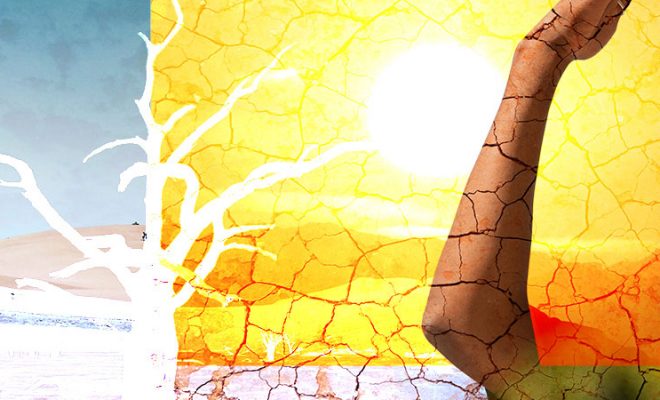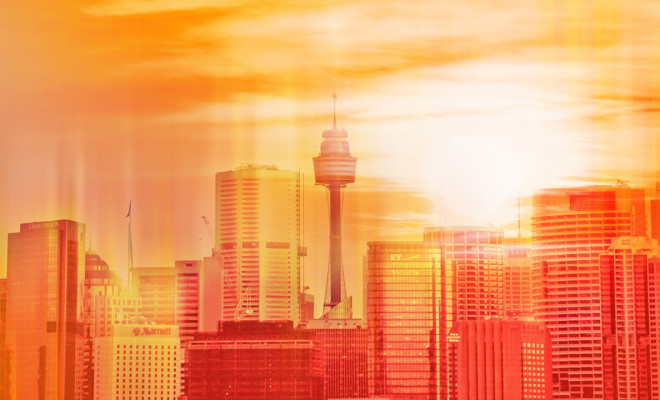


The heatwaves that have marked the boreal summer of 2026 in Europe and North America have revealed an unequivocal fact: the industrialised north has entered, “forced”, an unprecedented adaptive phase. What was once considered an exceptional phenomenon now repeats itself with a frequency that exceeds the response capacity of cities, health systems and infrastructure. Extreme heat is no longer a meteorological episode; it is a structural risk that redefines daily life and economic stability.
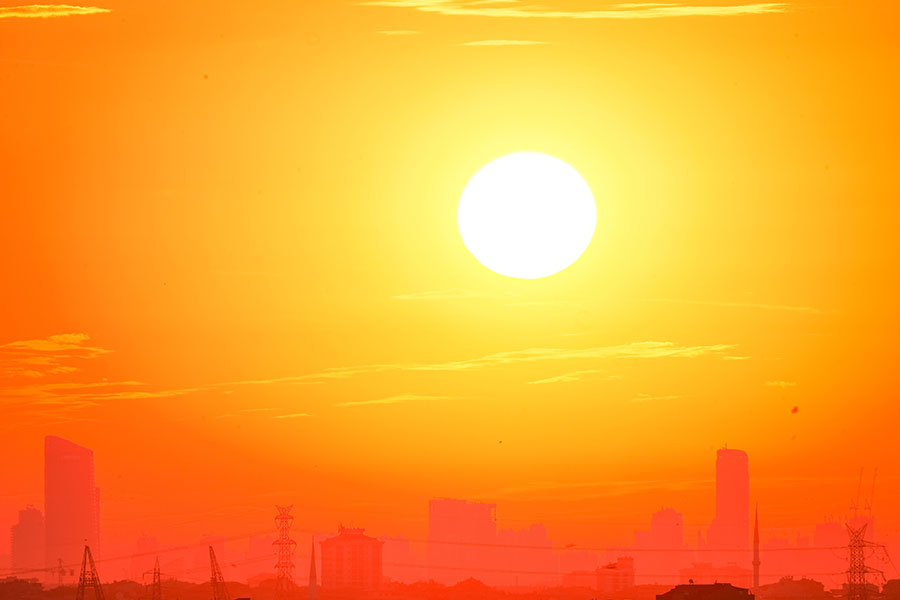
Extreme heat is already a structural part of the contemporary climate, but the map is new.. © pexels-fatih-turan
Phenomena no longer so exceptional
In western Europe, France, Belgium and Germany, the most intense heatwaves have formed through an unusual meteorological process: the combination of advection of warm air from the south and adiabatic compression within persistent anticyclones. Advection introduces very warm air masses from North Africa and the Mediterranean, which move northwards and raise the initial temperature. Adiabatic compression, meanwhile, occurs when air descends within an anticyclone and warms as it is compressed, without exchanging heat with its surroundings. This forced descent dries the atmosphere, clears the sky and acts as a thermal amplifier that drives surface temperatures upwards.
This pattern, common in atmospheric dynamics, now operates over a climate that, according to Nature Communications (2026), has already warmed by more than 3 °C above pre-industrial levels in western Europe. As IPCC scientists have been warning for more than 10 years, the trend is unstoppable unless we drastically reduce emissions.
“Heat deaths” is not a misleading term
This shift of heat towards traditionally temperate latitudes confirms that the risk is no longer concentrated in the Mediterranean south, but extends to regions that had never faced extreme values.
The consequences for infrastructure are explicit. In Germany, temperatures above 41 °C caused structural damage to transport routes that were never designed to withstand temperatures above 40 °C: the material in tramway joints melted in Leipzig, forcing services to be suspended and more than 300 kilometres of railway network to be cleaned. Concrete motorways suffered deformations, with slabs expanding and fracturing abruptly, a phenomenon already documented in several parts of the country.
Extreme heat also reveals a growing water vulnerability: rivers running dry, cooling systems under pressure, and essential infrastructure—from nuclear power plants to data centres—increasingly dependent on effective water management.
But the most harmful and immediate result is a thermal jump that multiplies mortality.
France recorded 5,764 additional deaths in just fifteen days during the heatwave that extended from 17 June to 2 July 2026, the most intense since 2003. Germany counted 5,120 heat-related deaths in the first half of the year, with 4,300 concentrated in the critical week of 24 to 30 June, when the country reached historic highs above 41 °C. Populations in central and northern Europe, accustomed to relatively mild summers, endured temperatures even higher than those in Spain and Italy during the same warm advection.
There is some confusion —often fuelled by denialist discourse— about the concept of “heat-related deaths”. Indeed, medical certificates rarely include the expression “cause of death: heat”, just as they do not include “… due to smoking”, “… due to a traffic accident” or “… due to alcoholism”. In all these cases, the organic cause is another: lung cancer, cranioencephalic trauma, liver failure or a vascular accident.
With high temperatures, something similar occurs. Extreme heat does not always kill through direct hyperthermia, although this also happens. What it does, above all, is destabilise pre-existing conditions: cardiovascular, respiratory, metabolic, renal. A body subjected to extreme temperatures loses thermoregulation capacity, blood viscosity increases, heart rhythm is altered and lung function is compromised. In older people or those with chronic illnesses, this thermal stress can be fatal.
This is why epidemiological statistics speak of “heat-attributable deaths”: not because heat appears as the sole cause on the medical certificate, but because it acts as a triggering or aggravating factor.
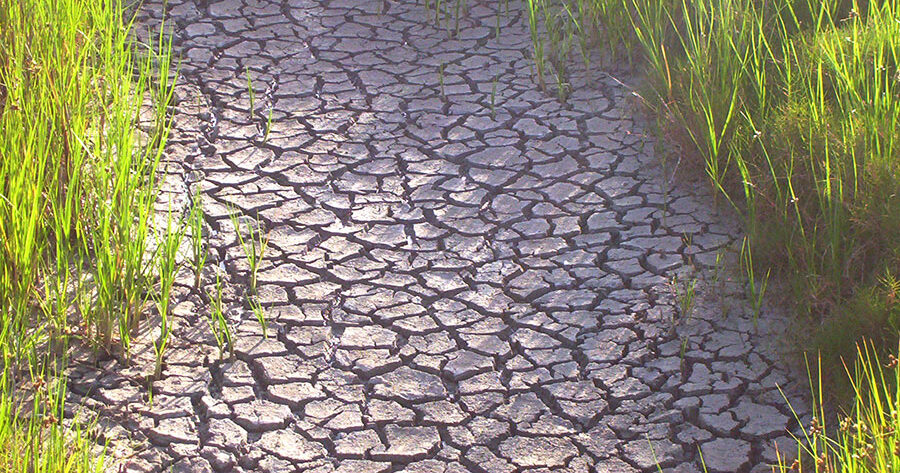
Extreme heat also reveals a growing water vulnerability: rivers running dry, cooling systems under pressure, and essential infrastructure.
Vulnerability has moved north
Europe—and especially the central and northern countries—is more vulnerable for three reasons: an ageing population, dense cities that act as heat islands with urban planning designed for cold climates, and air-conditioning penetration that barely reaches 20 %, compared with 90 % in the United States. This combination amplifies human and health impacts and causes structural stress.
The economic impact is equally forceful. The Too hot to grow report by Allianz Trade estimates that, by 2030, extreme heat could cut between 5 % and 7 % of the wealth of the most exposed European countries. The combined bill for the four major powers of the continent will reach 560 billion euros. The European Environment Agency recalls that extreme weather events already caused 650 billion euros in losses between 1980 and 2022, and projections suggest that Europe could approach that figure in just five years solely due to heat.
Thermal stress directly affects the labour market. A day above 32 °C equals half a working day lost. Above 30 °C, productivity falls by 3 % for each additional degree, while energy demand rises by 1.2 % per degree. The European Central Bank warns that these climatic anomalies cause capital to shift towards industrial cooling and water resilience, to the detriment of innovation and digitalisation.
The social impact is equally deep. A study published in Global Environmental Change reveals that, with 1.5 °C of warming, disposable household income in Europe will fall by 7.5 % due to heatwaves and droughts. Households in the lowest income quintile will suffer a reduction of 2.7 % greater than wealthier families. The authors note that heatwaves and droughts increased the number of people at risk of poverty in Europe by around 5.6 million between 2004 and 2022.
The human cost in the south is greater
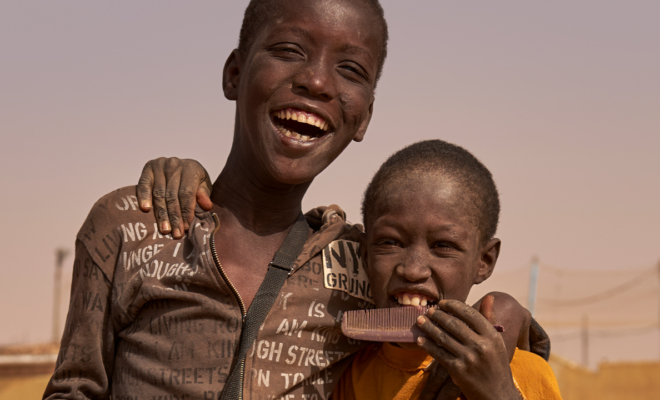
Many heatwaves outside the developed world have historically gone largely unnoticed. The belief that in tropical countries “it is always hot” and that their populations are therefore “used to it” is deeply rooted, but entirely mistaken. North Africa, the Middle East and South Asia have endured temperatures above 45–50 °C for decades. There, the proportional economic cost may seem lower—because GDP per capita is lower—but the human cost is higher: millions of people work outdoors, cooling is a luxury, and health systems have less response capacity. In Europe, mortality is counted precisely; in Africa and Asia, many heat deaths are not even recorded.
However, southern countries have developed ancestral adaptation strategies that are now inspiring for the north: shaded architecture, adobe houses, interior courtyards, light colours, strategic vegetation, shifted working hours and climate shelters. To this is added a meticulous care of water as a structural resource, with traditional systems of collection, storage and distribution that allow long periods of extreme heat to be endured. These solutions, rooted in cultures that have faced temperatures above 45 °C for centuries, show that climate resilience does not depend solely on technology, but on intelligent management of the environment and a sustainable relationship with water.
The summer of 2026 leaves an unequivocal conclusion: extreme heat is already a structural part of the contemporary climate. Urban adaptation, protection of vulnerable groups and drastic emission reductions are the only ways to prevent future summers from becoming even more deadly.
Adaptation is no longer an option, but an obligation. It defines a new frontier to avoid irreversible impacts on health and daily life.
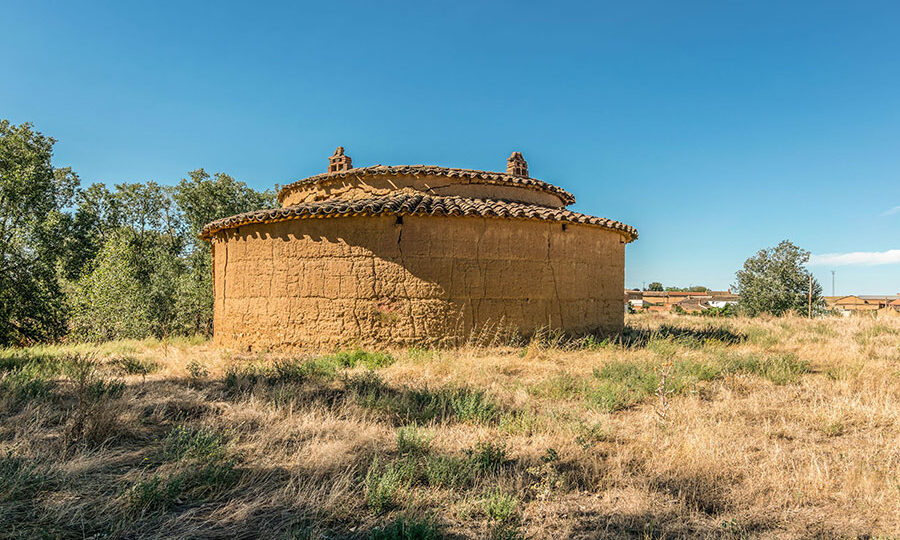
Southern countries have developed ancestral adaptation strategies that are now inspiring for the north: shaded architecture, adobe houses, interior courtyards, light colours…© pexels-ana-rubio