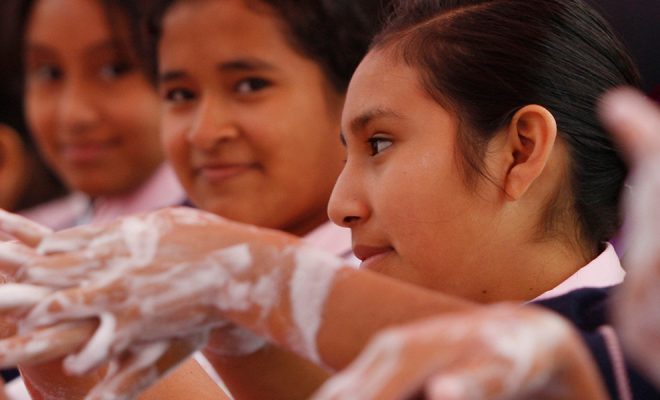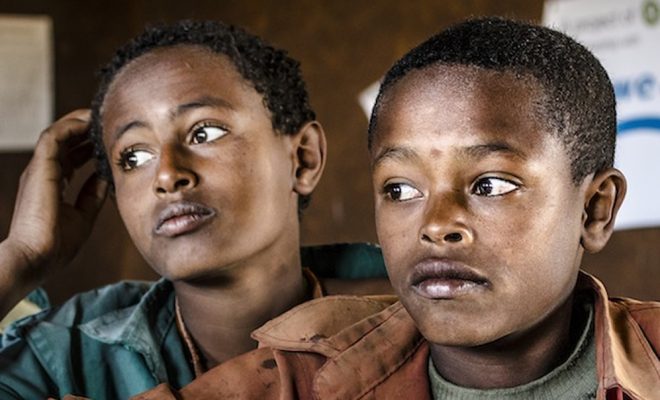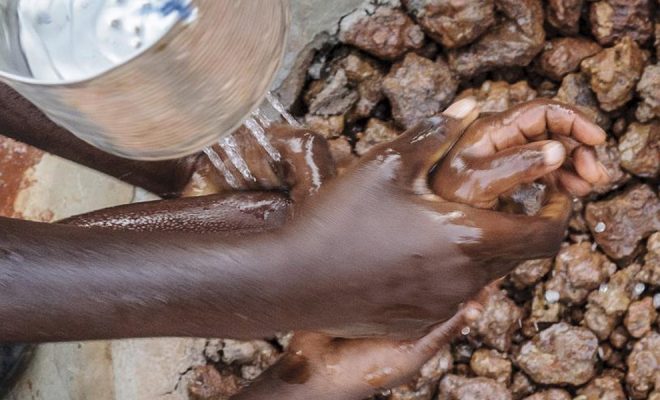

“Washing hands becomes a game, and around water and soap, children learn, talk and share habits that reach their families.” It is not a literal quotation, but a synthesis of what we have seen repeated over 15 years of projects in schools around the world: a simple handwashing station creates an environment where hygiene becomes integrated into culture.
That pattern is repeated in every place where we intervene. Last year, we completed a project in the schools of Anamã and Careiro Castanho, two small Amazonian municipalities deeply marked by geographical isolation and the lack of basic infrastructure. The use of river water surrounding the villages has long been the norm in the hygiene practices of schoolchildren and their families, who live in a context very similar to that shown in the documentary Amazonas: The Memory of Water, which we recently presented: their mobility depends almost entirely on river transport, and extreme climatic conditions — torrential rains, sudden floods and unexpected droughts — shape daily life and the functioning of public services.
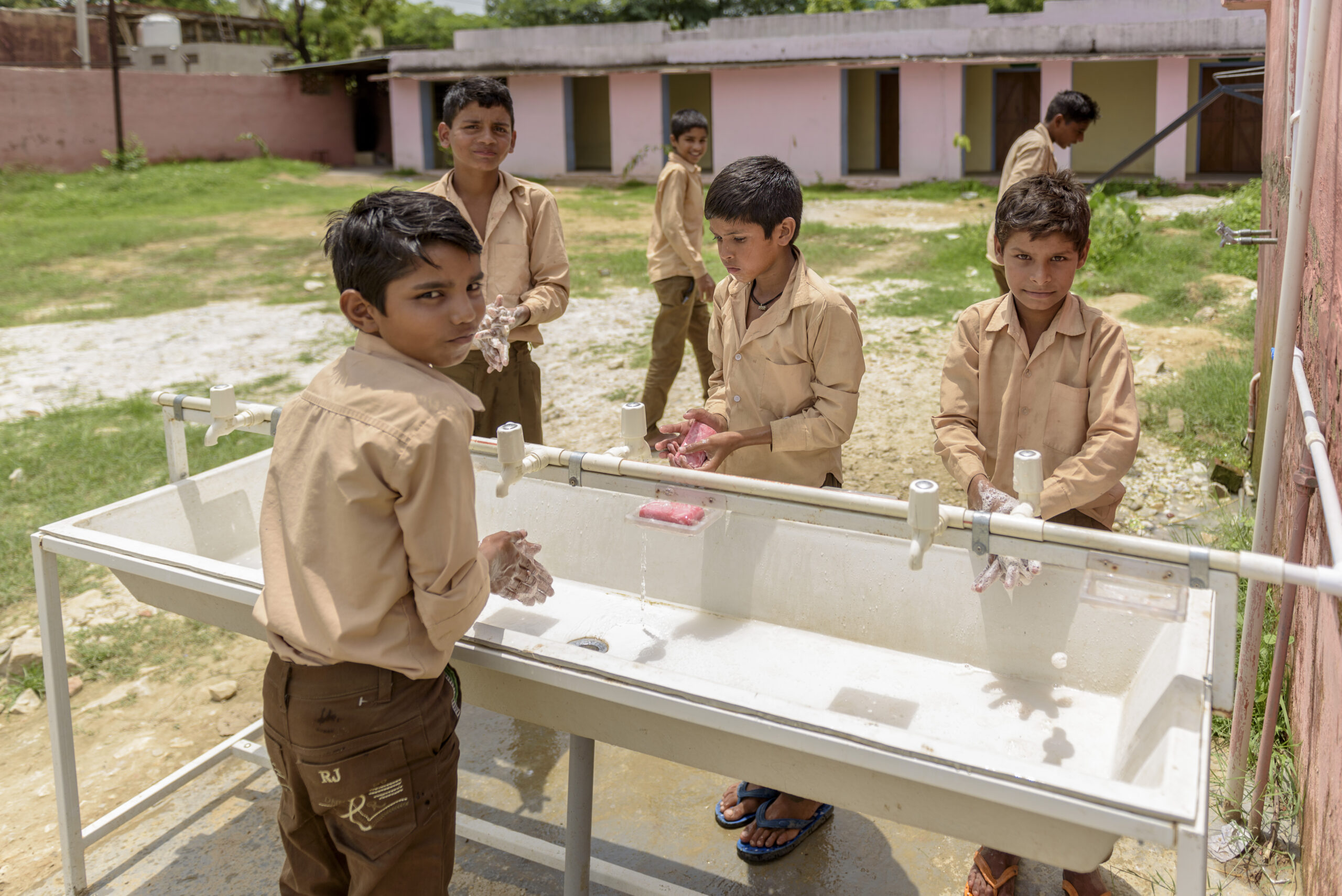
Hygiene takes root when children have a safe space to understand it and share it. © Carlos Garriga -WAWF
Handwashing stations that educate and create culture
Achieving access to sanitation requires comprehensive educational approaches. In Amazonian schools, installing portable handwashing stations with safe water has transformed school routines. Informative murals create a friendly and attractive space. Children not only come to wash their hands but also gather, read the messages, and discuss the information. They teach each other the correct use of water and soap; the handwashing station becomes a fun and effective classroom.
Hygiene ceases to be an external instruction and becomes a personal, shared and internalised practice. The educational component amplifies the impact: workshops are delivered to promote responsible water use and prevent disease through appropriate hygiene practices.
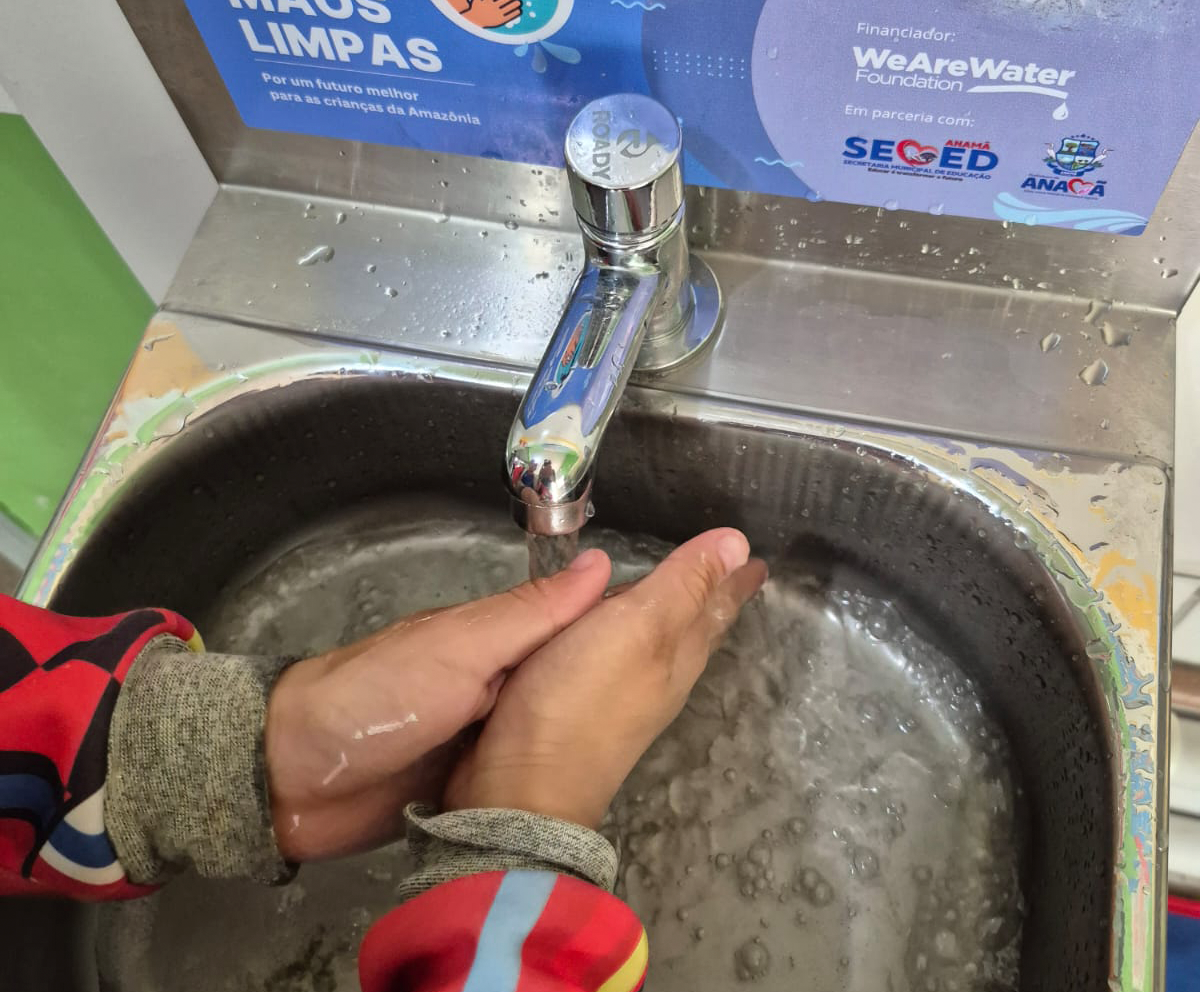
A simple handwashing station creates an environment where hygiene becomes integrated into culture. © World Vision
The handwashing stations we install are portable, built with recycled wood and supplied by a manual tank that allows around 75 washes per day. With 50 units, the total capacity over six months reaches 675,000 washes. They are easy to install, require no electricity or fuel, and have minimal maintenance, manageable by the school committees that monitor their use and condition daily.
But real change arises from the combination of infrastructure and education. The workshops on the responsible use of water involve teachers and families and establish the foundation of a culture of hygiene in the school community. There is much to explain: how hands become contaminated, why parasites and microbes enter the body, which diseases they cause, and how easy it is to prevent them. This comprehensive approach lays the groundwork for extending the model to other Amazonian localities with similar conditions.
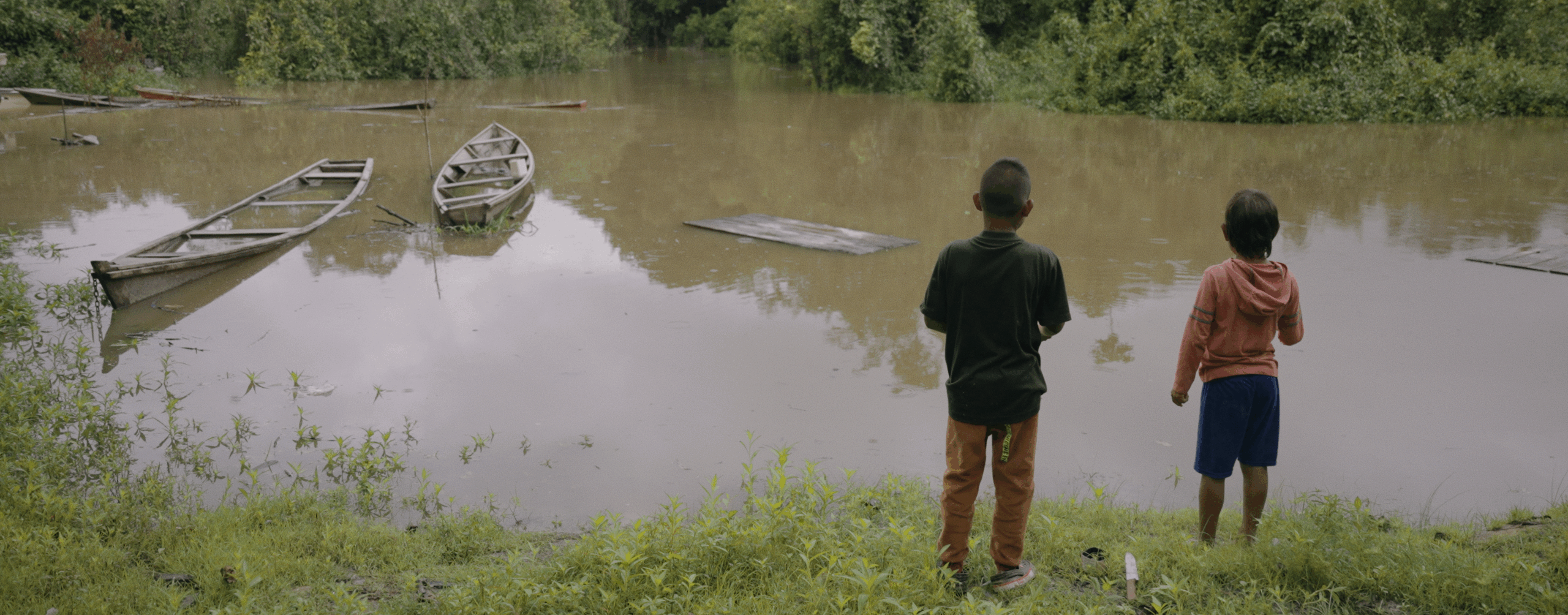
The use of river water surrounding the villages has long been the norm in the hygiene practices of schoolchildren and their families, who live in a context very similar to that shown in the documentary Amazonas: The Memory of Water, which we recently presented.
A crucial objective within reach
School hygiene is essential for advancing two key goals of the 2030 Agenda: SDG 6, which guarantees water and sanitation for all, and SDG 4, which ensures inclusive and quality education. The relationship is direct: diseases linked to poor hygiene remain among the main causes of school absenteeism, an educational burden that affects learning, academic continuity, and the well-being of millions of children.
JMP data confirms this. In households, the key metric — “proportion of population with handwashing facilities with water and soap” — shows uneven progress and persistent gaps. In schools, the situation is similar: 85.95% of centres have basic hygiene services, but the remaining 14% still lack a place where children can wash their hands safely. Applied to the global school-age population, this proportion reveals the scale of the challenge.
In a world with 1.665 billion school-age children, 233 million — one in seven — still lack a simple handwashing station at their school. The absence of such a basic gesture compromises their health, their attendance and their right to learn in dignified conditions.
The good news is that this objective is within reach. The installation of safe handwashing stations, accompanied by hygiene education, reduces diseases, improves attendance and strengthens community resilience.
The testimony of our projects
In more than fifteen years of work in water, sanitation and hygiene in schools around the world, we have witnessed, time and again, the effectiveness of solutions that combine simple infrastructure, education and community participation. The culture of hygiene, children’s ownership, and integration into school and family life are not hypotheses: they form the pattern that emerges from our field experience.
Of the 120 projects we have carried out, 42 have involved direct interventions in water and sanitation in schools, where the installation of handwashing stations, hygiene education, and community involvement have the greatest impact. Taken together, these interventions have benefited around 280,000 people in some of the most vulnerable areas of the planet.
In every project, the results are the same: fewer diseases, less absenteeism, greater educational continuity, and a community more aware of the value of water and hygiene. Teachers report improvements in school health, parents’ committees observe constant and autonomous use of the handwashing stations, and children incorporate the habits they learn into their daily lives and pass them on to their families. The culture of hygiene is born in the school and expands to the village.
School hygiene is one of the most effective, affordable and transformative interventions for improving health, strengthening education and advancing the Sustainable Development Goals. And a handwashing station is not a functional object: it is a symbol of dignity, health and learning.
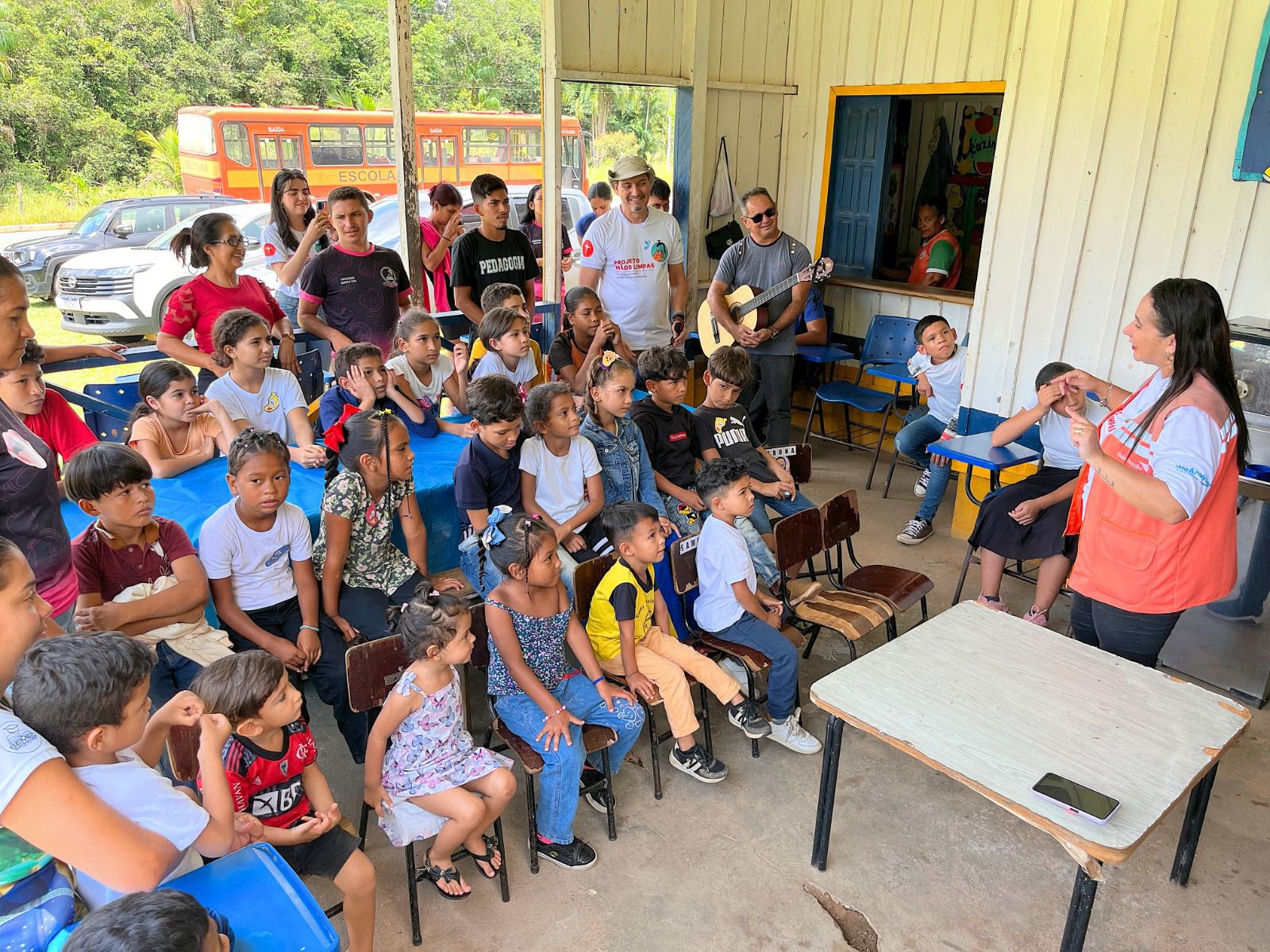
But real change arises from the combination of infrastructure and education. The workshops on the responsible use of water involve teachers and families and establish the foundation of a culture of hygiene in the school community. © World Vision