
Los Cabos, Baja California Sur, México
In collaboration with


October 2026 – September 2027
We build hydraulic infrastructure for the storage, conveyance, and distribution of water to households, and we promote hygiene practices that will allow families to improve their health, access opportunities for economic development, stabilise their children’s education, and increase climate resilience.
Objectives
- Create a safe and sustainable water source for 1,000 vulnerable families.
- Establish participation mechanisms for local stakeholders.
- Promote a culture of water and encourage behaviour change in personal hygiene habits and sanitation care.
Beneficiaries
5,000 direct
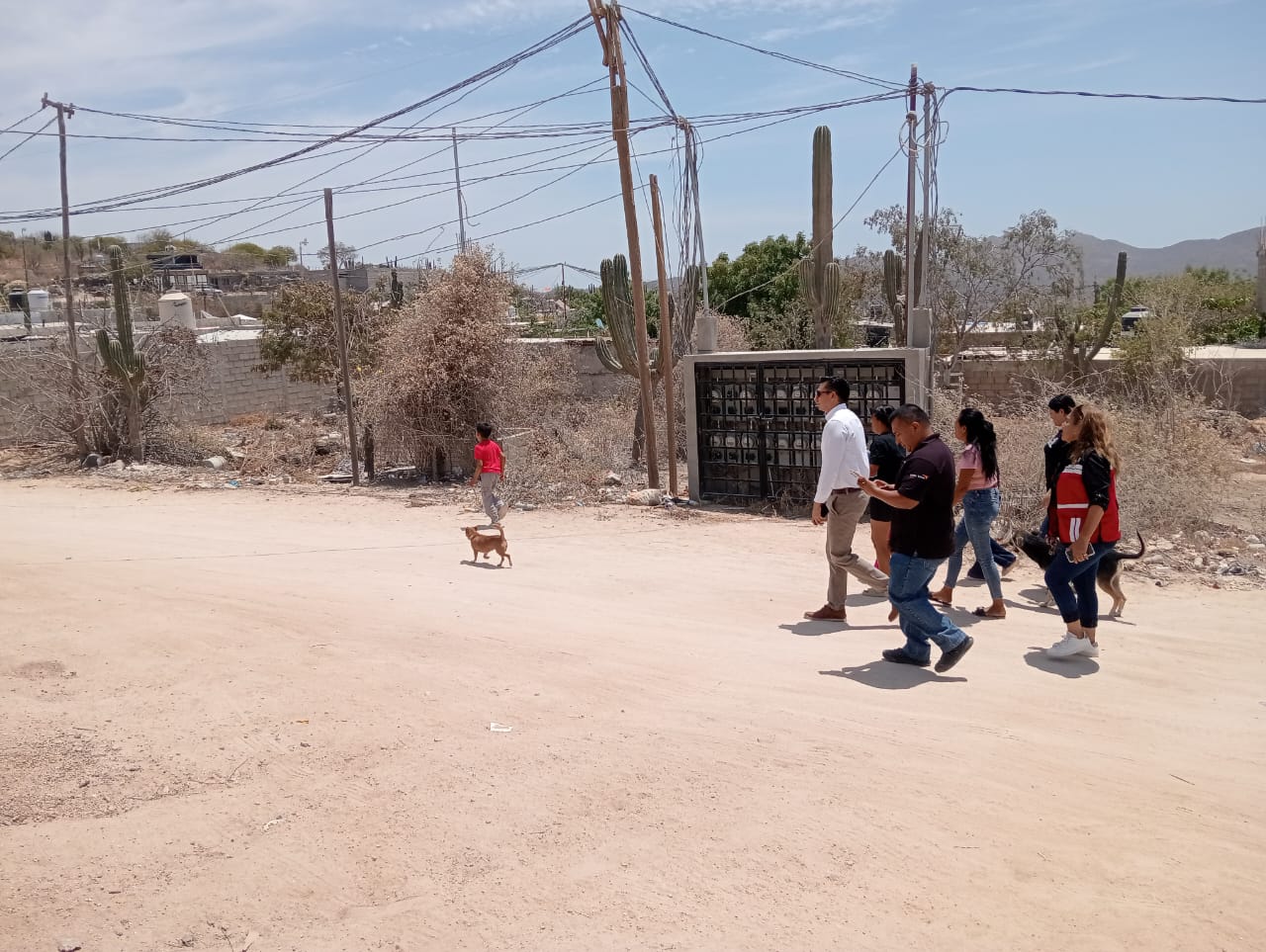
Families living in the peri-urban settlements of Cabo San Lucas.

On the ground
Overexploitation of aquifers leads to prolonged water supply failures and inadequate sanitation facilities.
Cabo San Lucas is supplied by the Cabo San Lucas aquifer, a hydrogeological unit of 515 km² located in the Baja California Peninsula basin. The aquifer is in a critical phase of overexploitation, worsening since the late 1990s due to climate change. The significant increase in maximum temperatures and the ongoing reduction in rainfall have prolonged droughts and reduced natural groundwater recharge, aggravating the existing overexploitation.
As a result, the population receives water very intermittently, with strong inequalities between areas and high fees for an insufficient service. In the peri-urban settlements of Cabo San Lucas, the available supply — 450 litres per second (lps) — covers less than half of the estimated demand of 1,000 lps, leaving a structural deficit of around 600 lps.
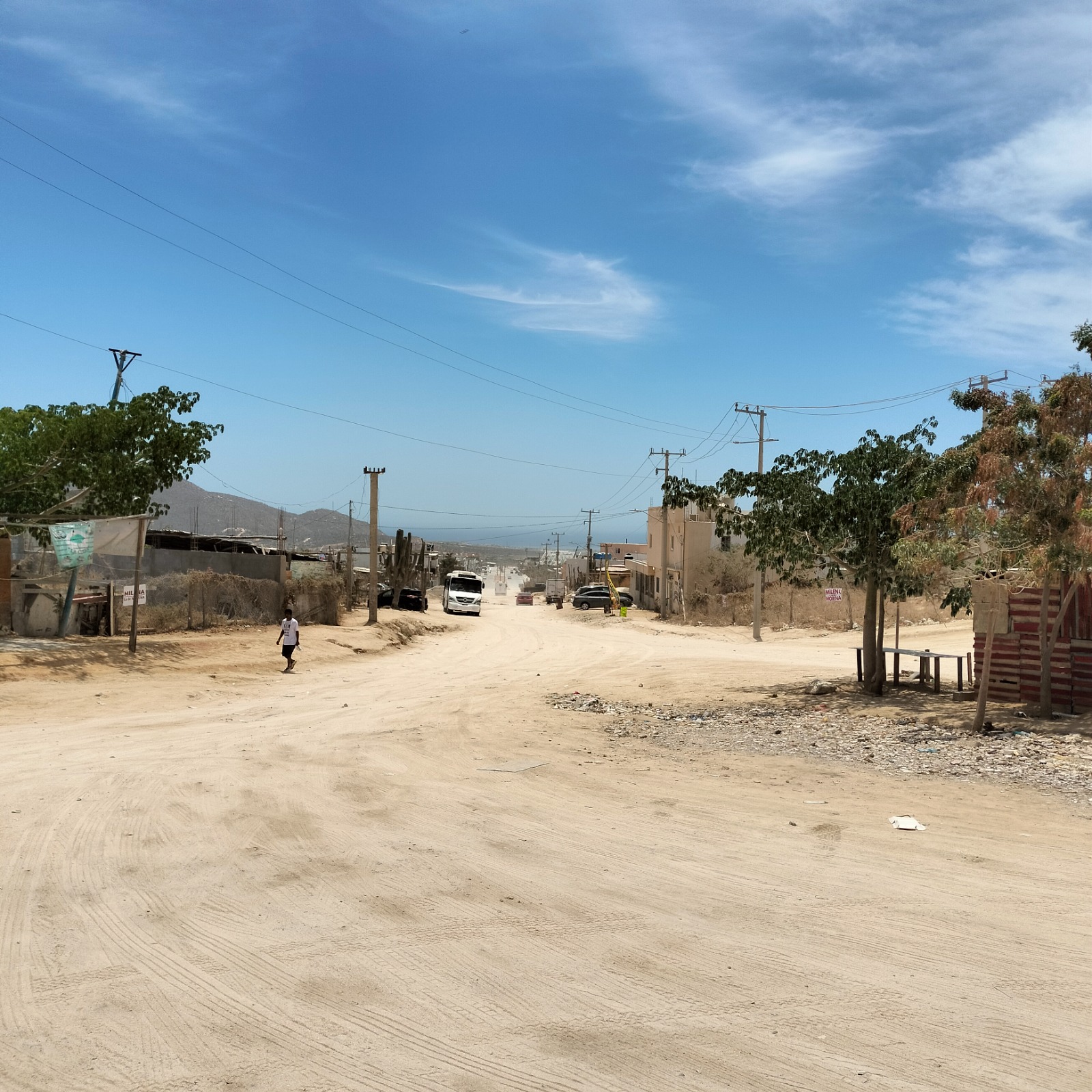
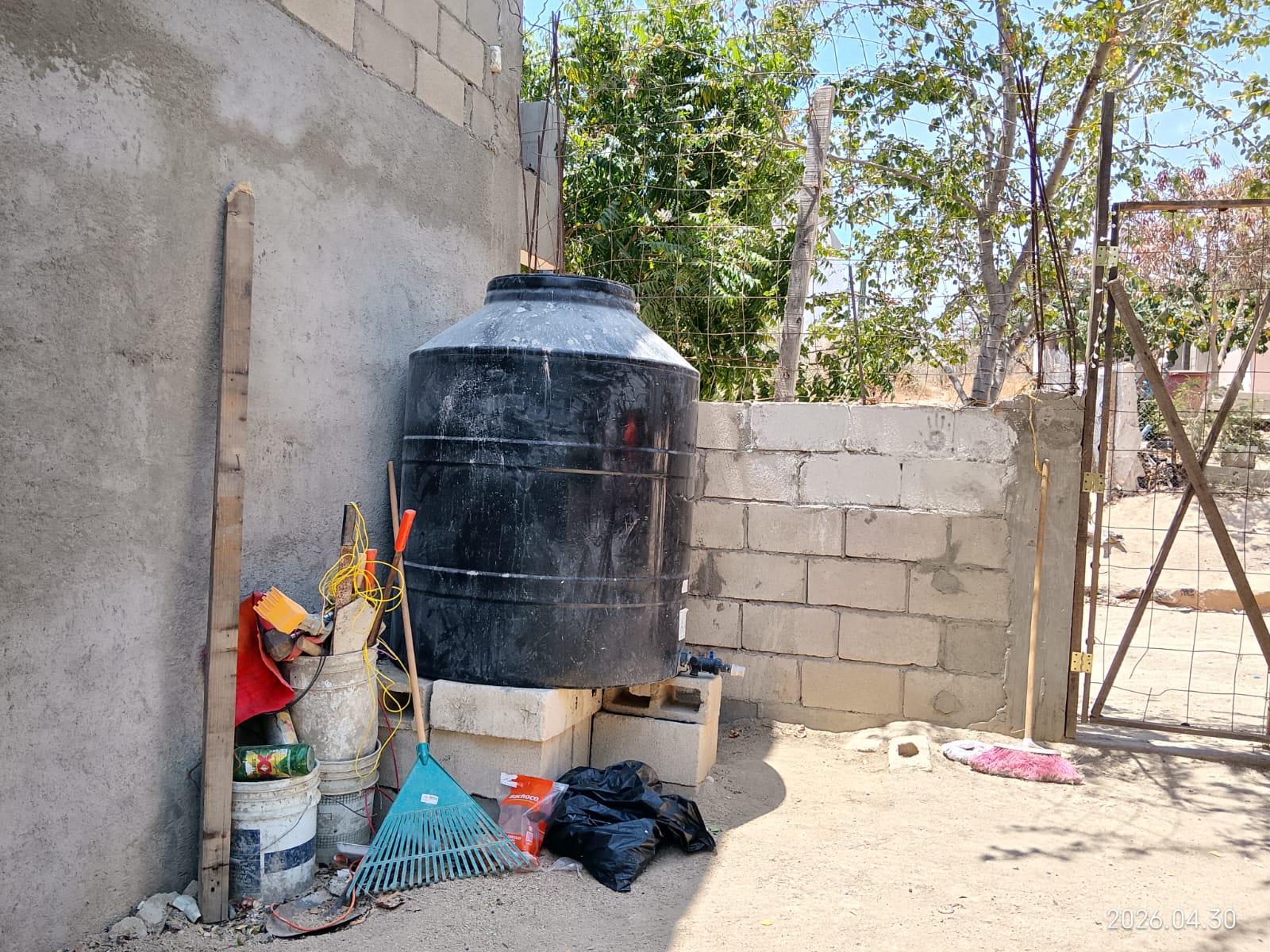
The overexploitation of the aquifer and the progressive closure of wells have left more than 40 areas without service. In these areas, there is no formal water or sanitation infrastructure: families depend on tanker lorries for their supply and use septic pits. Although the operating agency attempts to expand coverage, the current capacity remains clearly insufficient.
In detail
We implement the project in a participatory manner, involving key local stakeholders and communities in the technical design of the water storage and distribution network. We also integrate the local government, the private sector and civil society to coordinate the necessary human and financial resources. The first action is to conduct the topographic survey that defines the system’s technical components.
We provide the supplies and materials to build the hydraulic works for water storage and conveyance, as well as for pressurising the distribution lines that carry the resource to beneficiary households. Through participatory assemblies,, we define the mechanisms by which the population, the local government, and the operating agency contribute financial resources, personnel, machinery, and specialised equipment. These contributions, together with the project’s investment, constitute the total required to launch the intervention.
In addition, through the Secretariat of Citizen Participation of the local government, we develop training sessions, participatory workshops, community events and outreach campaigns aimed at promoting the responsible and efficient use of water, along with sustained changes in personal hygiene, sanitation and cleaning habits.
Sustainability perspectives
The full participation of the community ensures ownership of the infrastructure and strengthens local mechanisms to ensure operation and maintenance, thereby prolonging the useful life of the installations.
Likewise, the training and awareness-raising actions that we develop together with the Secretariat of Citizen Participation promote the responsible and efficient use of water and reinforce hygiene, sanitation and cleaning practices among the population. These activities broaden the sustainability outlook by integrating technical knowledge and healthy habits, and consolidate a culture of water based on shared responsibility and collective care of the resource, favouring long-term community management.