Dewas, Madhya Pradesh, India, India
In collaboration with
April 2026 – December 2026
We construct and rehabilitate sanitation facilities and establish a Menstrual Hygiene Management Laboratory to strengthen healthy hygiene practices.
Objectives
- Improve access to sanitation facilities
- Establish Menstrual Hygiene Management (MHM) Laboratories
- Promote hygiene and health practices
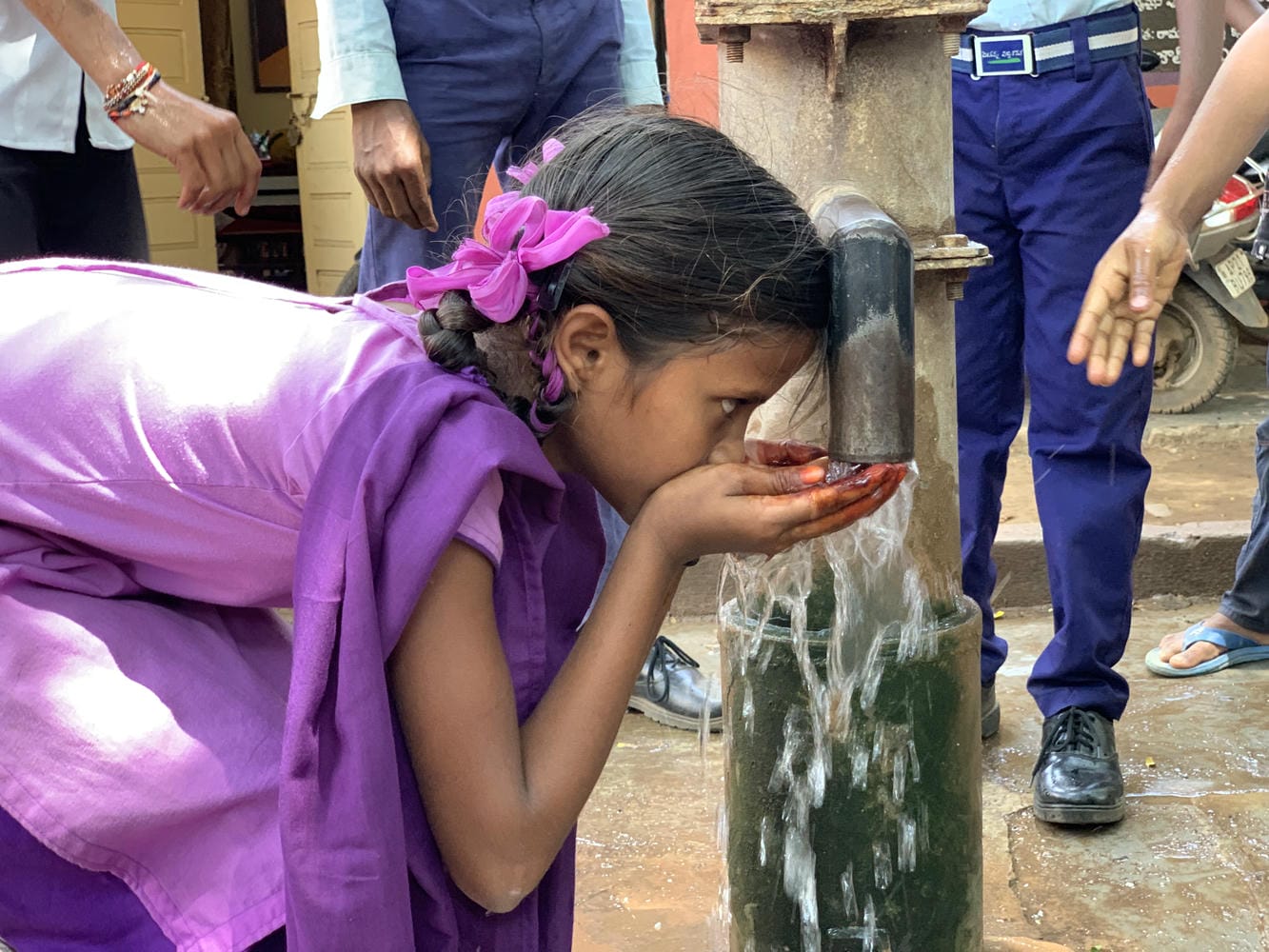
- Ensure access to safe drinking water
Beneficiaries
590 direct
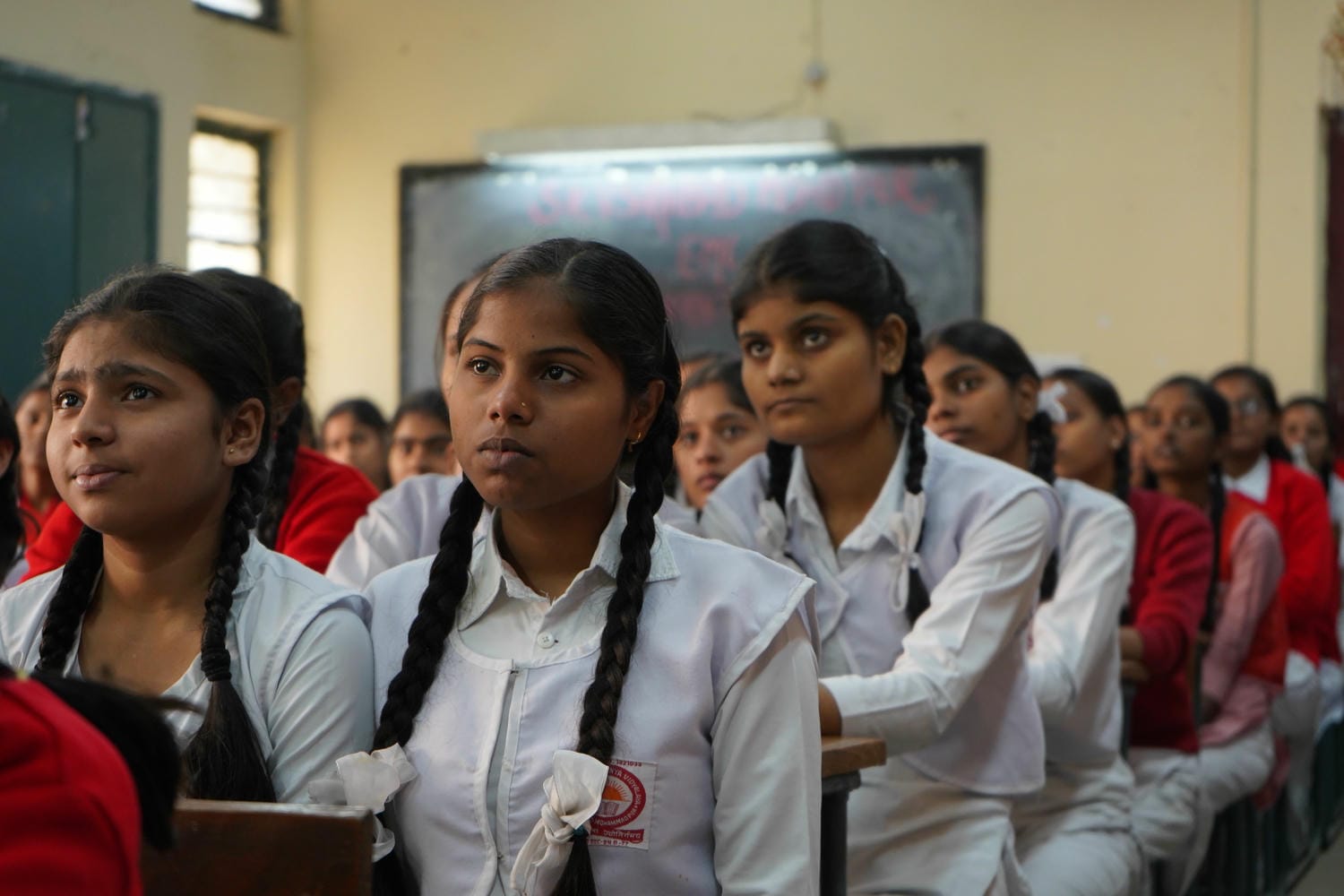
Girls and boys who will have access to improved sanitation facilities, including an MHM Laboratory. With strengthened hygiene education, they will understand the benefits of adequate services and will be better equipped to adopt healthy hygiene practices, including menstrual hygiene management.
1,100 indirect
Parents and teachers. Awareness activities on sanitation and menstrual hygiene will promote positive changes in community behaviour.
On the ground
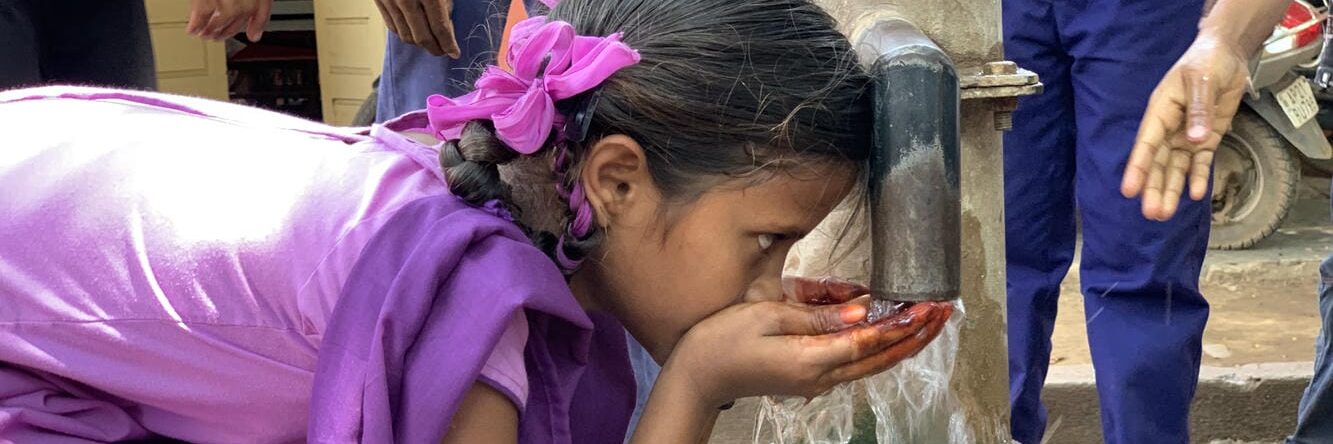
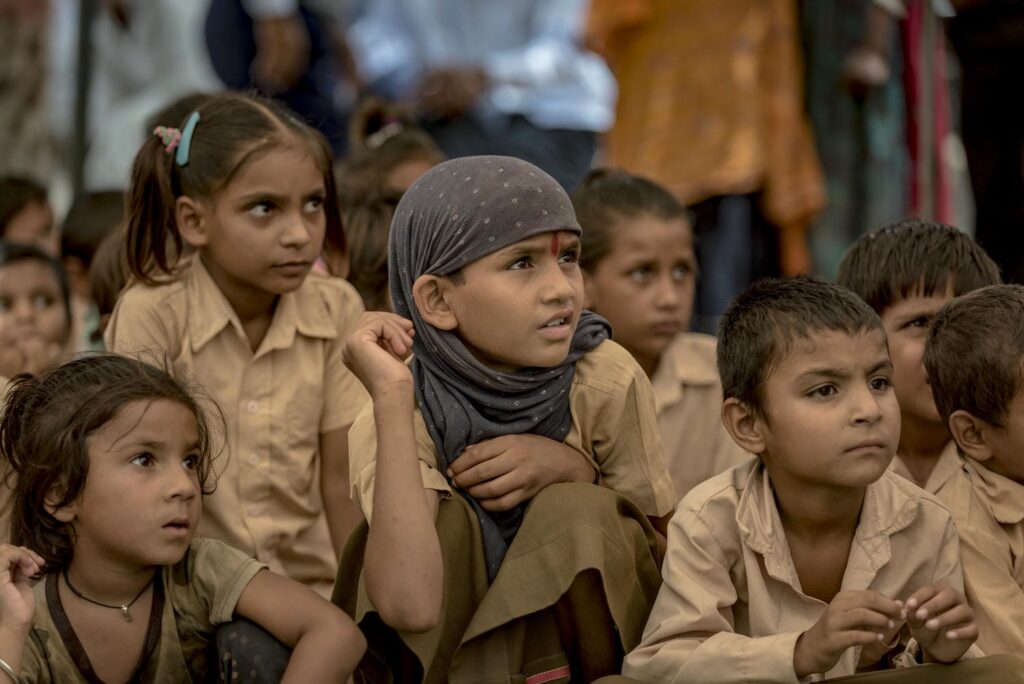
Poor water, sanitation and hygiene facilities causing absenteeism and unhealthy school environments
Dewas faces significant economic and social challenges, particularly in rural areas, where inadequate sanitation remains a critical issue. Open defecation practices persist, adequate facilities are lacking, and hygiene awareness is limited. Many schools have unsafe and insufficient water supply, non-functional toilets, and poorly maintained handwashing stations.
These deficiencies increase absenteeism, especially among girls, due to the lack of appropriate spaces for menstrual hygiene management. Poor sanitation also raises the risk of waterborne diseases, directly affecting health and academic performance.
Beyond infrastructure, there is an urgent need to improve hygiene behaviour among students and teaching staff.
The project incorporates educational campaigns and school monitoring systems to promote regular handwashing, proper sanitation, and appropriate menstrual hygiene management.
Providing safe and sustainable water and sanitation facilities ensures a healthy learning environment, protects children from disease, and prevents exclusion. Access to clean water, sanitation and hygiene is the foundation of a safe educational space, enabling students to remain healthy, participate fully, and reach their potential. Hygiene education also helps prevent disease and encourages healthy habits that children bring back to their families and communities.
In detail
The project implementation process includes the following actions:
- Installation and improvement of sanitation facilities
Construction of new toilets — one block of latrines for girls and one block for girls and boys — rehabilitation of existing facilities, and installation of handwashing stations. - Formation of the Children’s Cabinet and the School Management Committee (SMC)
The Cabinet promotes student leadership, empowers learners to actively participate in water and sanitation initiatives, and strengthens shared responsibility, leadership, and sustainability in maintaining facilities.
The Children’s Cabinet acts as a leader and advocate for hygiene practices within the school. Its participation provides a student perspective that is crucial for decision-making regarding the use and maintenance of facilities.
It organises awareness campaigns, promotes responsible behaviour among peers, and collaborates with teachers and staff to ensure that facilities are regularly inspected, cleaned and maintained. Its involvement fosters a sense of ownership and turns students into active agents of sustainability. - Collaboration with local communities
Community participation ensures an integrated and sustainable approach. Communities become co-responsible actors, reinforcing the continuity of hygiene practices. - Awareness campaigns
Creative and targeted campaigns increase awareness of hygiene and sanitation among students and staff, promoting the adoption of healthy practices. - Menstrual Hygiene Management (MHM) Laboratories
Menstruation is a natural process, yet it remains surrounded by silence, shame and stigma. Girls need a safe environment that provides information, protection, and guidance to care for their health, use appropriate products, and maintain hygiene practices, so they can continue their education without interruption. - Water filtration and cooling units
Installation of water filters and
cooling units with metal stands to ensure safe drinking water free from contaminants. - Regular monitoring and evaluation
A continuous monitoring system ensures that facilities remain functional and appropriate, allowing timely adjustments and maximising impact. Coordination and networking with government actors are included. - Training and communication programmes
Training for teachers and the SMC in WASH education enables them to convey hygiene messages effectively and become reference points inside and outside the classroom.
The development of IEC murals and school-based awareness campaigns lays the foundation for building a culture of hygiene.
Sustainability prospects
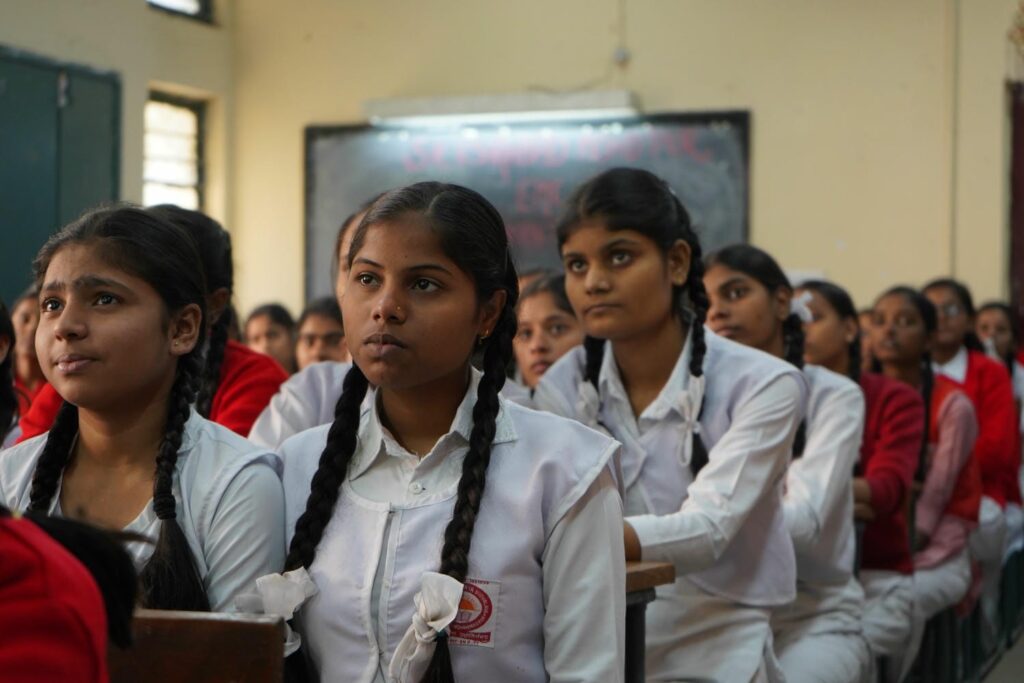
Awareness activities on sanitation and menstrual hygiene promote positive changes in community behaviour. The SMCs and the Children’s Cabinet reinforce effective and sustainable practices within the community. These bodies encourage the proper use of resources allocated to the construction and maintenance of facilities such as handwashing stations, latrine blocks and MHM Laboratories.
SMCs also work with the school community to raise awareness of the importance of preserving these facilities, fostering responsibility, local ownership and long-term sustainability. Their involvement in planning, monitoring, and maintenance helps establish sustainable practices that ensure a clean, healthy school environment.
World Vision has a highly skilled team in programme management, monitoring and evaluation, knowledge management, advocacy, infrastructure construction and technical support. The team updates its knowledge through workshops, seminars and learning processes derived from programmes implemented and evaluated at national and international levels.
This continuous learning approach strengthens competencies in evidence-based evaluation, technical design, innovation and sustainable approaches, ensuring the quality and effectiveness of interventions.