
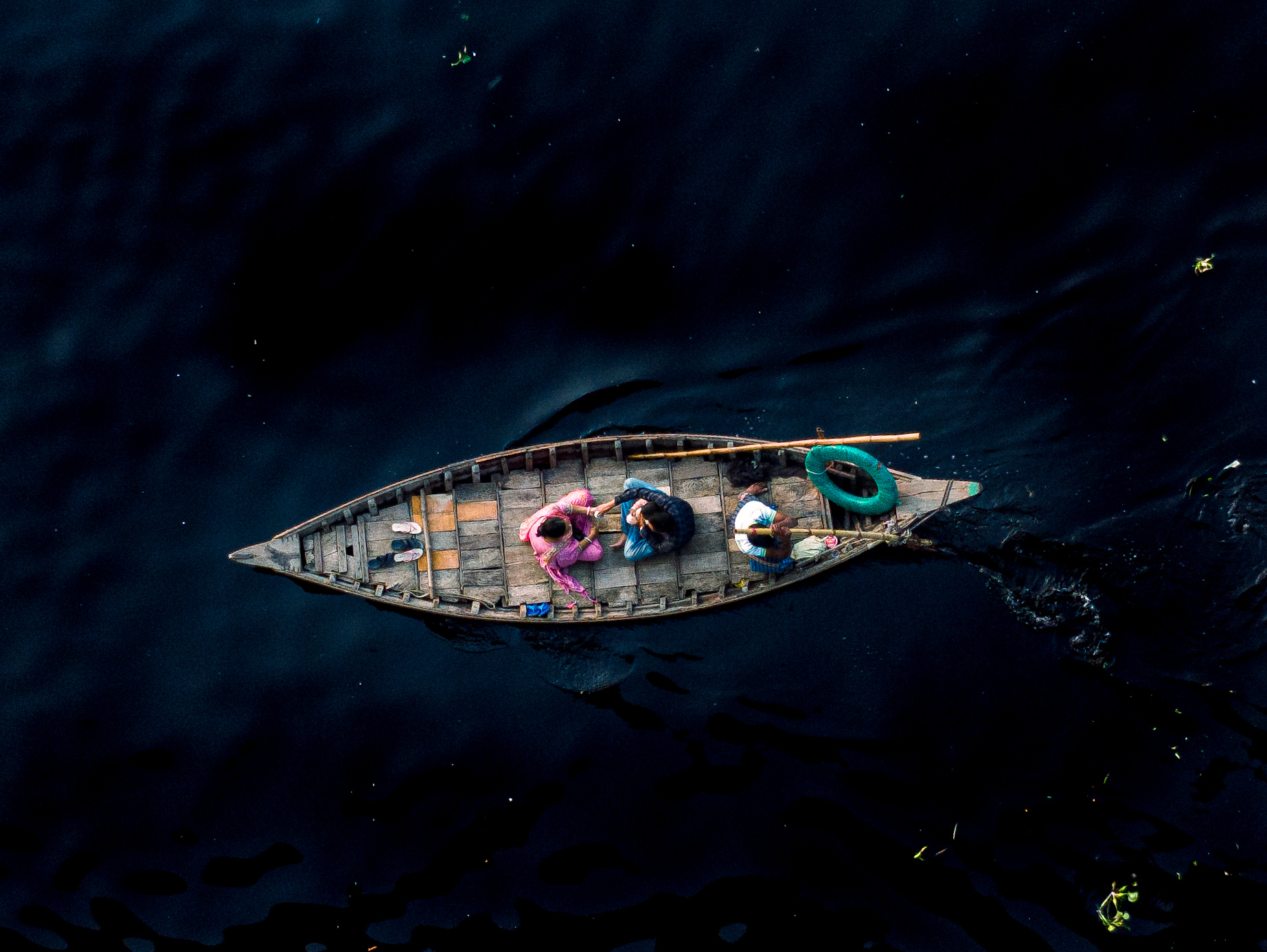
In every edition of the We Art Water Film Festival, we discover stories that explain, denounce and illuminate paths of solidarity and resilience. © MD sajjad hossain
Many of us have never experienced what it means to be surrounded by contaminated water or to see our loved ones fall ill because of a lack of access to safe drinking water. We can imagine what it is like to live without water, sanitation and hygiene, but more than 6 billion people worldwide, according to JMP data, most likely do not experience this in their daily lives; some of us have never suffered it.
In many regions of the world, millions of women ask themselves every day whether the wells they walk for hours to reach will dry up. What will the next journey be like? Many Indigenous communities are displaced by extractivism, and their demands remain ignored and concealed by unchecked economic interests.
The works of the We Art Water Film Festival have revealed many of these invisible stories: painful accounts that do not appear in the media and rarely become trending topics, despite their gravity.
Across five editions — now entering the sixth — the 156 finalist short films show that three minutes can be enough to denounce, move, and open our eyes to our complex and conflict‑ridden relationship with water.
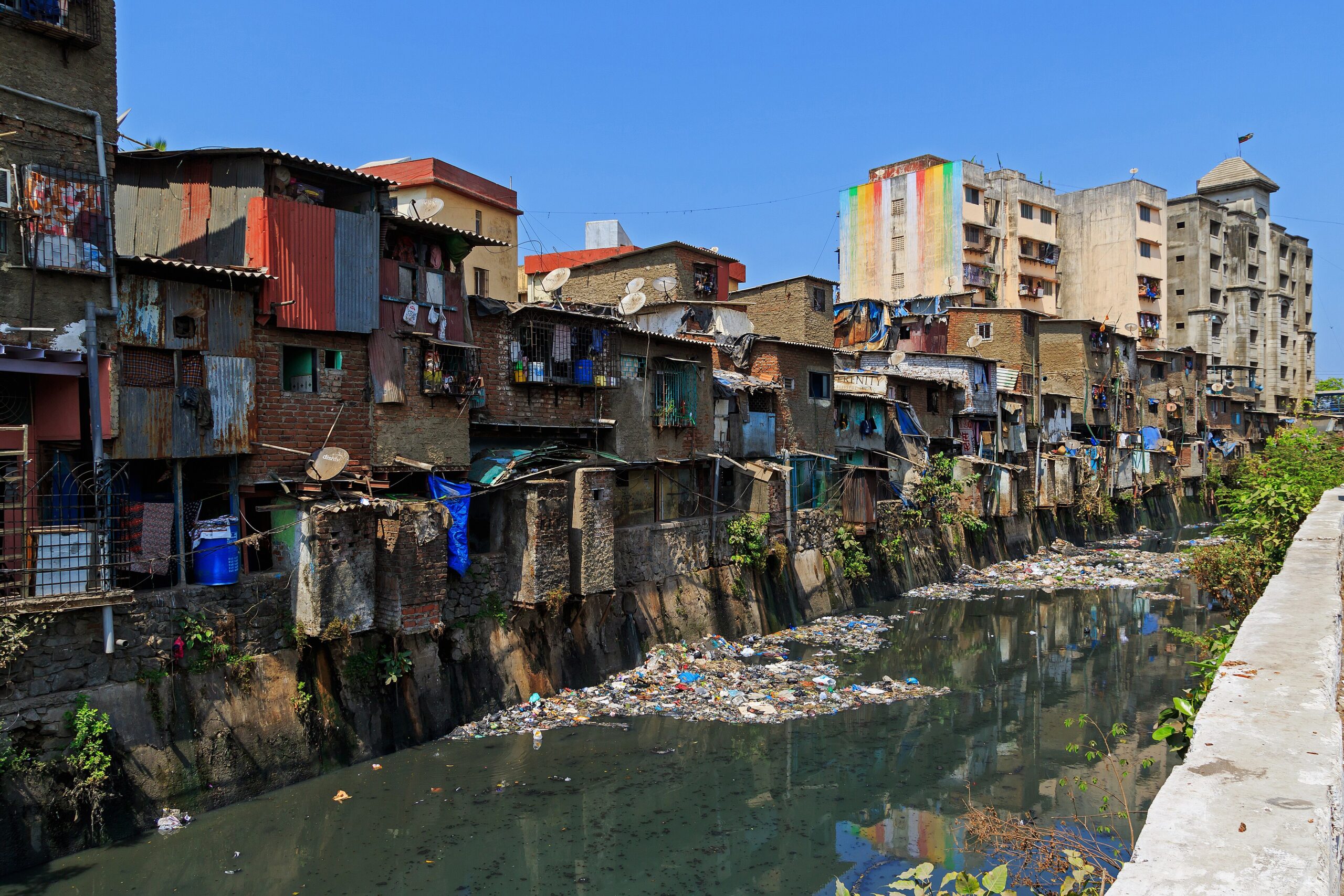
The Mithi River in Mumbai runs through informal settlements such as Dharavi, which covers more than 216 hectares, and was considered, in 2012, the largest slum in Asia. ©A.Savin
Rivers turned into sewers
Rivers, the veins of the Earth and the essence of our lives, have been the cradle of many civilisations. Today, however, they are also the mirror of a silent crisis. River pollution is a widely documented problem, yet its true magnitude remains unknown to much of the world. In the most recent edition of the Festival, several short films starkly showed how life around many rivers has become almost impossible.
Some of these accounts reveal a painful truth: the rivers that sustain the lives of millions of people are languishing in silence. And yet their stories rarely make the headlines. You can watch the short films at the links:
- On the banks of the Burianga, in Dhaka (Bangladesh), life barely survives. More than 60,000 cubic metres of toxic waste are discharged into its waters every day. The Turag River, one of its main tributaries, carries much of this pollution: numerous industries established in the capital and its surroundings dump their waste there without control, turning the riverbed into a liquid dump that suffocates the communities that depend on it.
- The Mithi River in Mumbai runs through informal settlements such as Dharavi, which covers more than 216 hectares, and was considered, in 2012, the largest slum in Asia. Illegal discharges have transformed its 18‑kilometre course into an open sewer that threatens the health of hundreds of thousands of people.
- In the Indian city of Hyderabad, the Musi River basin receives 645 million litres of wastewater every day. The poorest communities living along its banks coexist with water that makes them ill, while farmers and livestock keepers are forced to work with a contaminated resource that compromises their crops and animals.
- The Tanjaro River, in Iraqi Kurdistan, shows another face of devastation: the destruction and looting of its water treatment facilities after the Gulf War left the ecosystem defenceless against discharges and degradation.
- And the often‑hidden reality of mining spills appears forcefully in the case of the Sonora River, in north‑western Mexico. In 2014, 40 million litres of toxic waste were dumped into the river. Twenty‑two thousand people were not alerted until 24 hours later. The fauna, the flora and the health of the inhabitants were devastated; many lost their crops and much of their livestock.
Surface water: when the only option is to drink risk
Access to safe water remains a critical challenge: according to JMP data, 106 million people worldwide still depend on surface water to survive. Streams, ponds, rivers or lakes become their only source, even though these waters are exposed to faecal contamination, agricultural waste, animals and uncontrolled discharges. Every year, four million people —children and adults— die from drinking water with no sanitary control whatsoever. These figures rarely make the headlines, yet they define the daily life of entire communities.
Several short films from the Festival starkly explain reasons that rarely reach the public eye:
- In Nigeria, the village’s only water source dried up years ago. Since then, its inhabitants, mostly women, must walk to a nearby stream. Their story reflects that of millions of women and girls who walk kilometres every day, carrying heavy loads and risks to access surface water with no sanitary facilities.
- In wide rural areas of Africa, such as Tanzania, we are shown another stark aspect of this reality: children share the water of a pond with animals, a pond in which they themselves often defecate. The scene, as everyday as it is devastating, sums up the fragility of those who have no other choice.
- It is also a scourge that extends to many cities. In the streets of Yaoundé, the capital of Cameroon, many women walk long distances to collect water from unsafe sources. They make it drinkable by boiling it and storing it in bottles recovered from the street, which they sterilise beforehand. Their families then sell it through the crowded streets of the capital, in a daily effort to survive in a context where access to safe water remains a privilege.
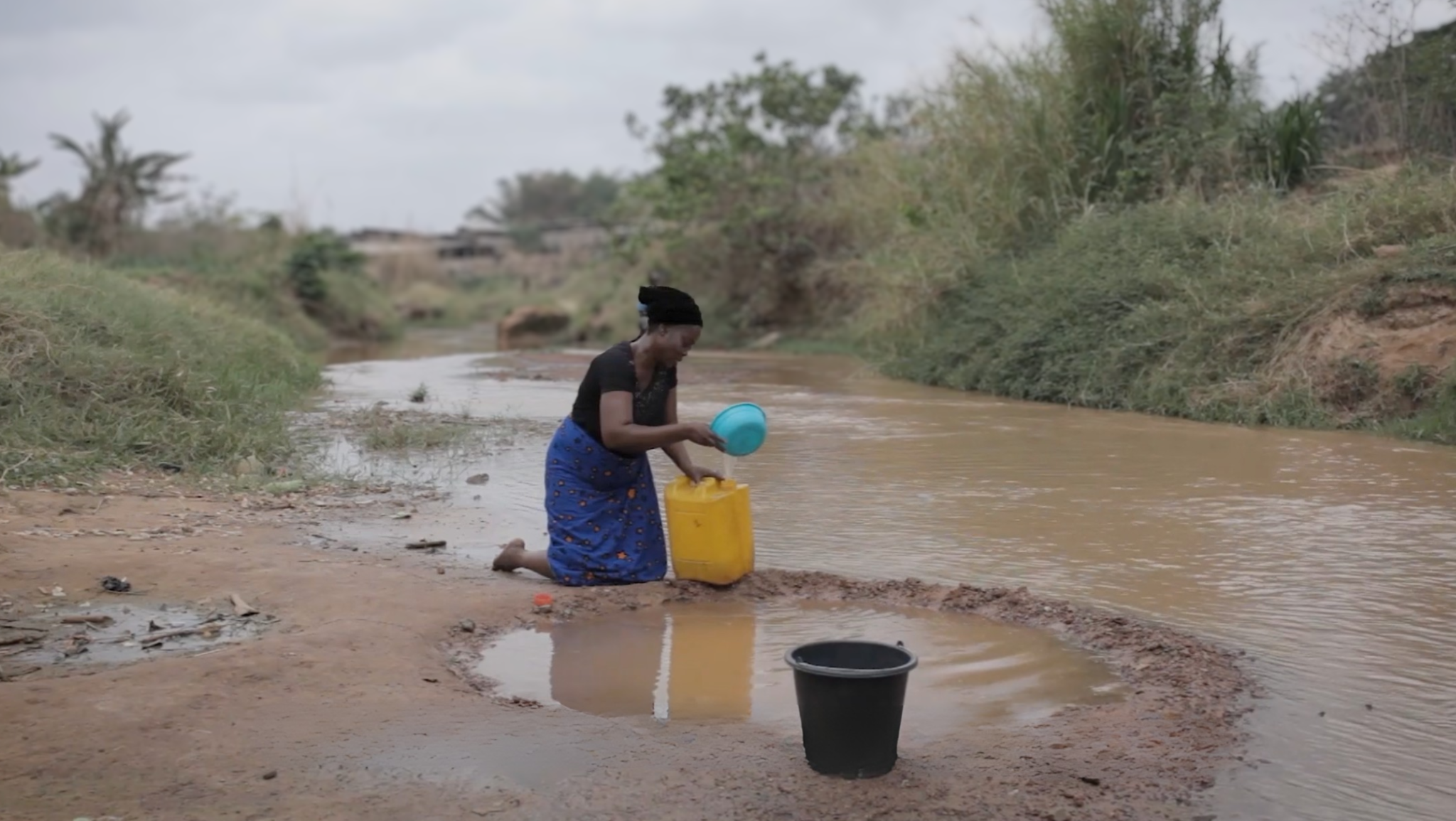
Access to safe water remains a critical challenge: according to JMP data, 106 million people worldwide still depend on surface water to survive.
Indigenous peoples: voices that must not be left to resist in silence
Indigenous peoples need visibility regarding the harassment, pressure and, in many cases, aggression they face. The Festival’s micro‑documentaries delve into one of the most hidden —and most deliberately concealed— realities of our planet and reveal these stories with a clarity that public attention rarely reaches. They are testimonies showing that, for many Indigenous peoples, the defence of water is the defence of their very existence.
- In the Colombian peninsula of La Guajira, the Wayúu people have forged their culture in an extreme territory shaped by drought, wind and scarcity. Their relationship with water is vital and ancestral, yet today it is threatened by indiscriminate exploitation and the lack of access to basic resources.
- In Mongolia, the last nomadic herders survive trapped between globalisation and climate change. Many have migrated to Ulaanbaatar, taking with them their yurtas, canvas tents in which they live without running water, electricity or sanitation. Their forced displacement reflects the fragility of millennia‑old cultures pushed to abandon their way of life.
- For the Muisca and Sutagao peoples, the Sumapaz páramo in Colombia was a sacred place long before the arrival of the colonisers. There, the spiritual relationship with water and land has survived centuries of external pressure. Today, a new generation of water guardians is working to recover ancestral culture, convinced that this legacy is the most powerful way to protect the territory and secure its future.
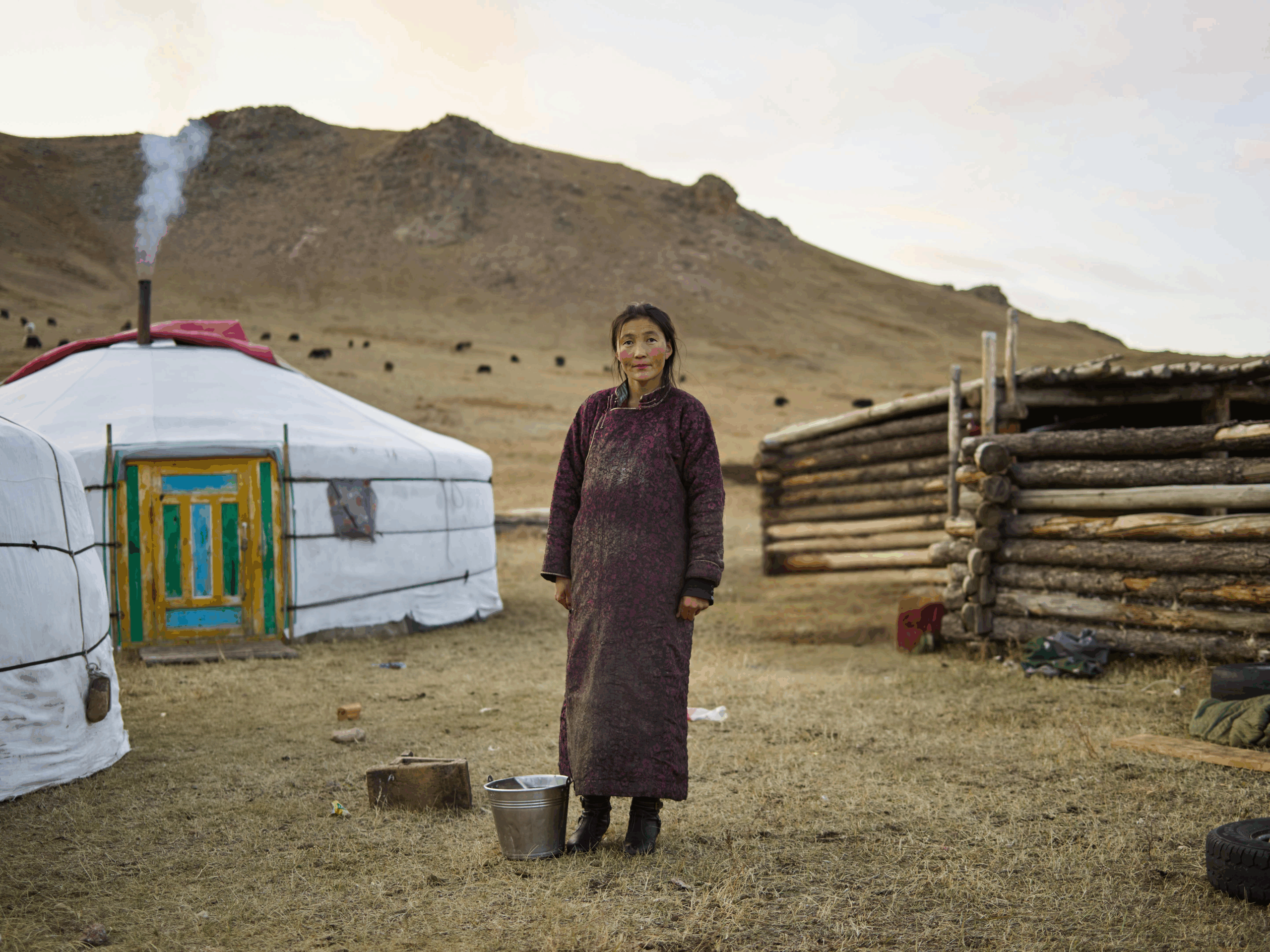
In Mongolia, the last nomadic herders survive trapped between globalisation and climate change. ©Arthousestudio
A message of hope: when solidarity opens the way
The authors’ messages also hold hope. In the midst of an uncertain future, many short films inspire confidence in our collective ability to restore and care.
In the regions of northern Myanmar, subjected to increasingly extreme climate variability, when water becomes scarce, groups of neighbours organise themselves to supply it with tanker trucks. They often donate it free of charge to care homes, hospitals and neighbourhoods where no one can afford it. They place solidarity above their own earnings—which they need to support their families—and show that unity can be stronger than adversity.
The Festival’s short films remind us that even in the most fragile contexts, there is a force capable of transforming reality: the will to care for what is shared. Where water is lacking, humanity can still find a way through.
We look forward to your participation!