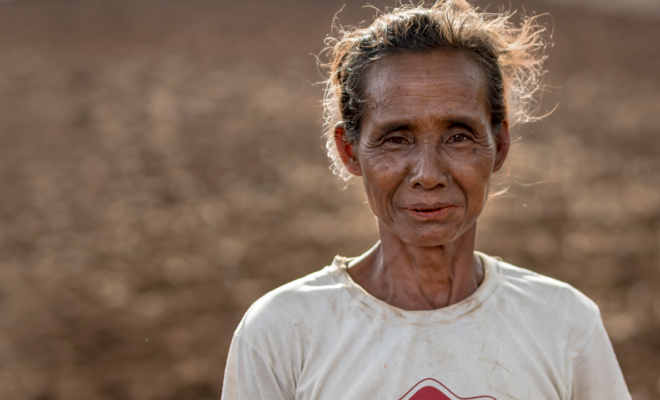
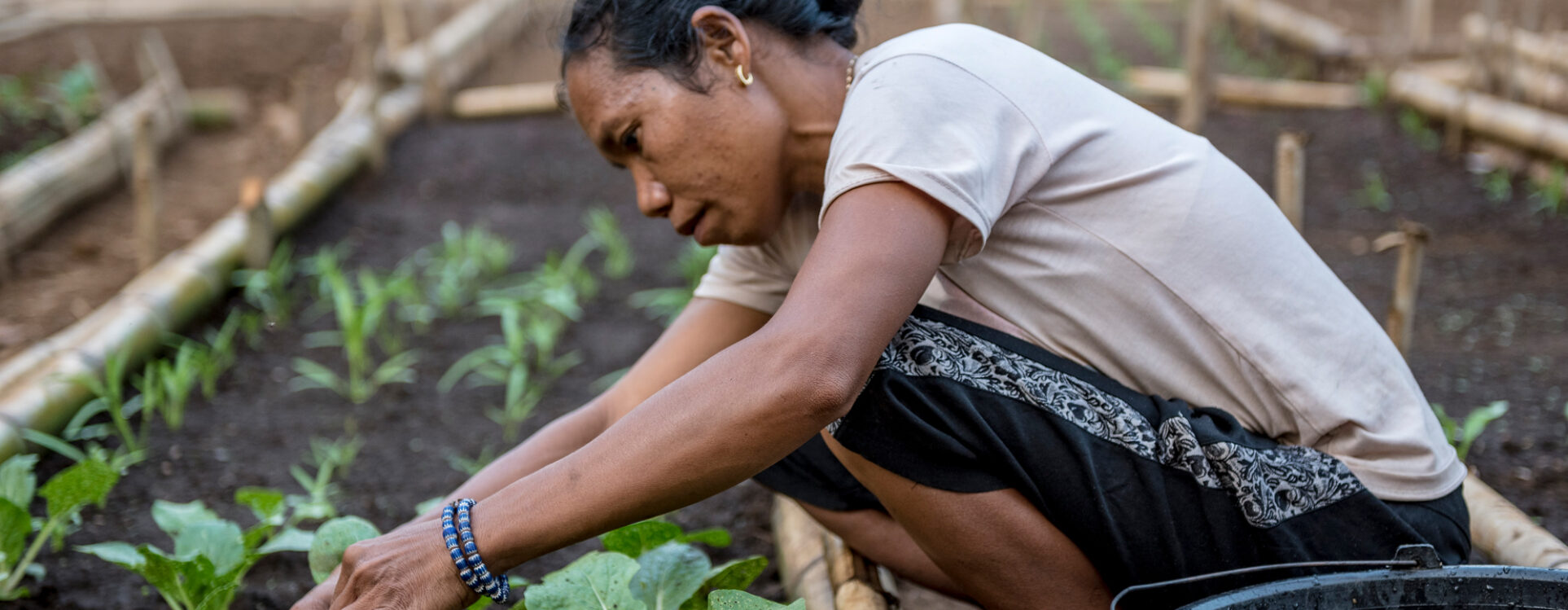
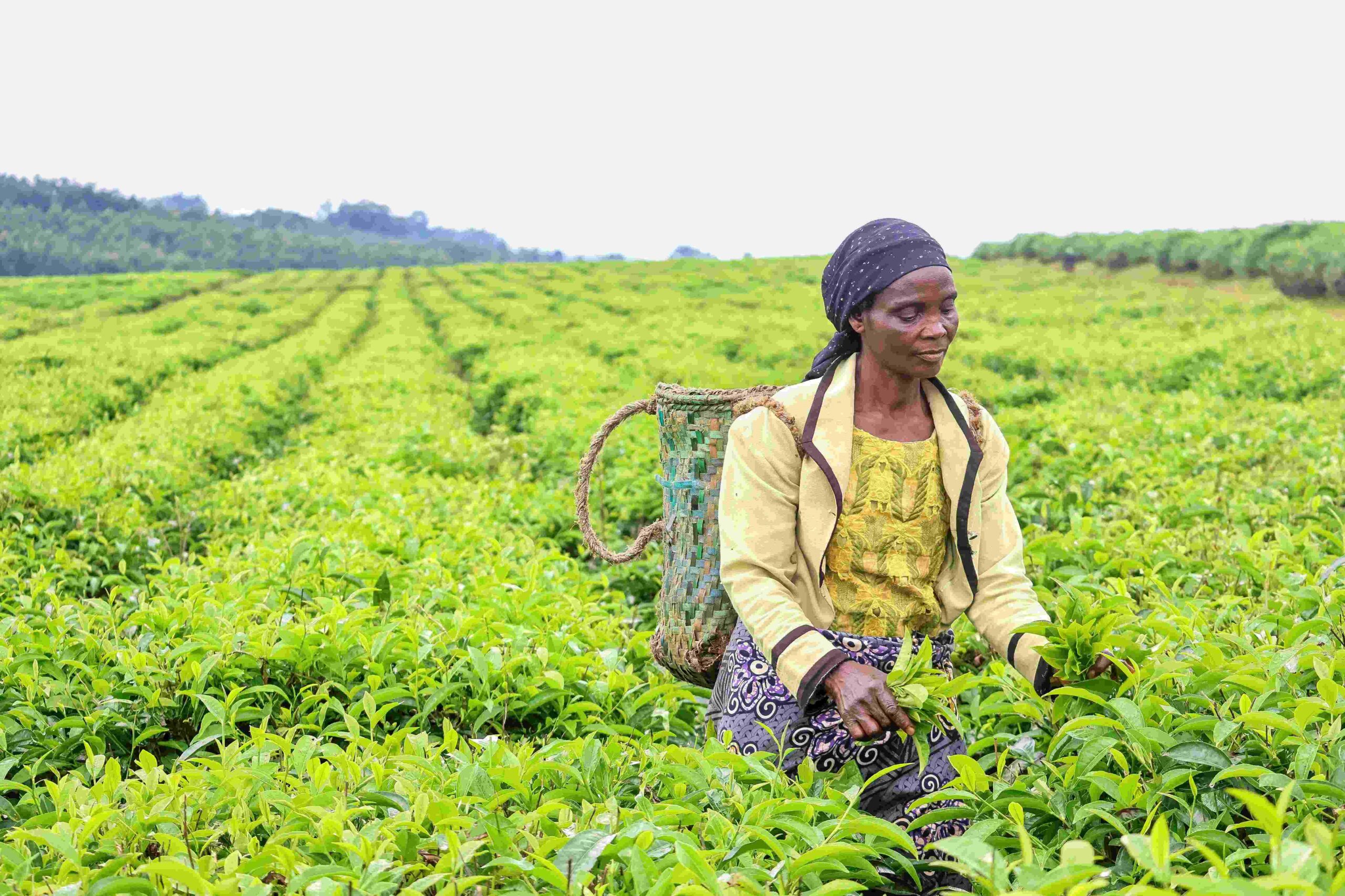
Female leadership, along with a shift in mindset in agricultural development, is key to transforming communities and making poverty eradication possible. © pexels-fatima-yusuf
This week, three consecutive international days — Rural Women (15 October), World Food Day (16 October), and the International Day for the Eradication of Poverty (17 October) — form a social triptych crucial to the planet’s evolution.
After 16 years of work in 41 countries, in alliance with international entities and local organisations, and with active participation in global debates on water and sanitation, we have seen a decisive shift in what we understand as “aid”: effectiveness emerges when solutions are identified within communities themselves. In almost all cases, progress begins with a clear step: identifying those solutions and ensuring people adopt them so they can drive them forward and sustain them.
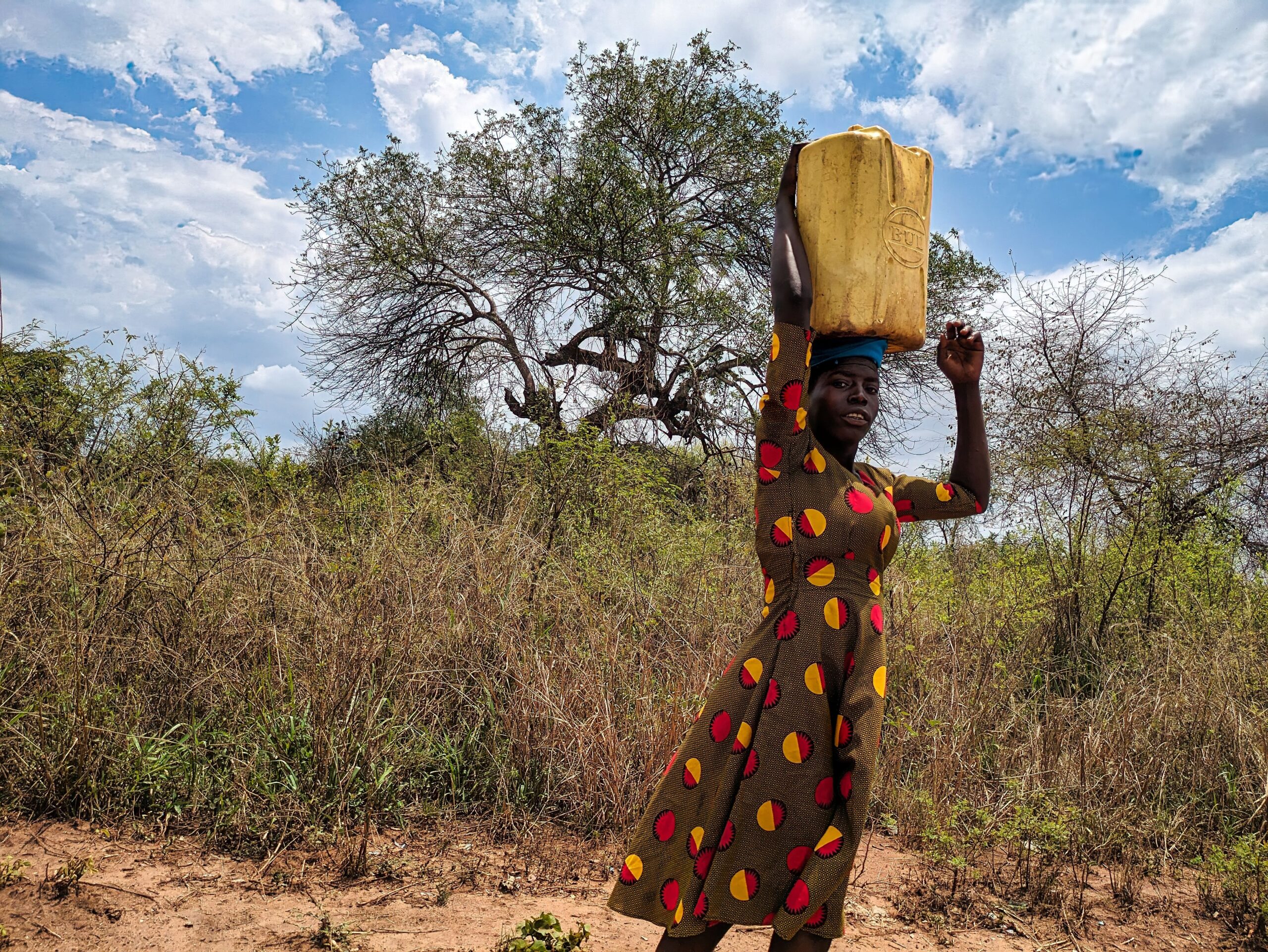
Sin acceso seguro y suficiente en sus aldeas, las mujeres rurales – y, en muchas ocasiones, también sus hijas – siguen atrapadas en las tareas de ir a buscar agua para sus familias. ©pexels-vilij-corps
Gender Justice Drives Access to Water
In recent years, international awareness of the imperative of gender equality in access to water has advanced significantly. Water shapes women’s time, safety, health, and economic autonomy. Without safe, sufficient access in their villages, rural women — and, in many cases, their daughters — remain trapped in fetching water for their families.
However, a shift in attitude has taken firm hold. Rural women are no longer viewed solely as passive subjects — generally victims — but as active agents capable of generating solutions.
A few months ago, we highlighted this reality, which has become evident in our projects: in addition to recognising that water drives gender justice, we affirm that gender justice drives access to water. This shift in perspective is something we must keep in mind on the International Day of Rural Women.
In our projects, in very different rural contexts but always affected by drought and a lack of infrastructure, we have observed and strengthened women’s role as the foundation of progress towards full access to water. In agricultural communities in Nicaragua, Honduras and Chiapas; in African contexts such as Ethiopia and Tanzania; and in India, the country facing the greatest agricultural challenge on the planet, subject to climatic and structural instability, we can demonstrate that the pattern is repeated: female leadership is the key to short‑term effectiveness and long‑term sustainability.
Women fully assume core leadership of water committees, manage and maintain infrastructure, monitor supply, and lead interpersonal and institutional dialogue.
We have confirmed this with UN agencies and the main NGOs with which we collaborate: empowering women is the most efficient way to drive a community forward. It is the starting point for ensuring that water reaches everyone.
The World Bank’s report Women in Water Utilities: Breaking Barriers is explicit on this point and captures this conceptual shift better than any other. It addresses the economic sectors directly: water and sanitation entities that incorporate more women in technical and leadership positions show better operational results, greater long‑term sustainability and stronger climate‑adaptation capacity. Gender justice is an operational asset.
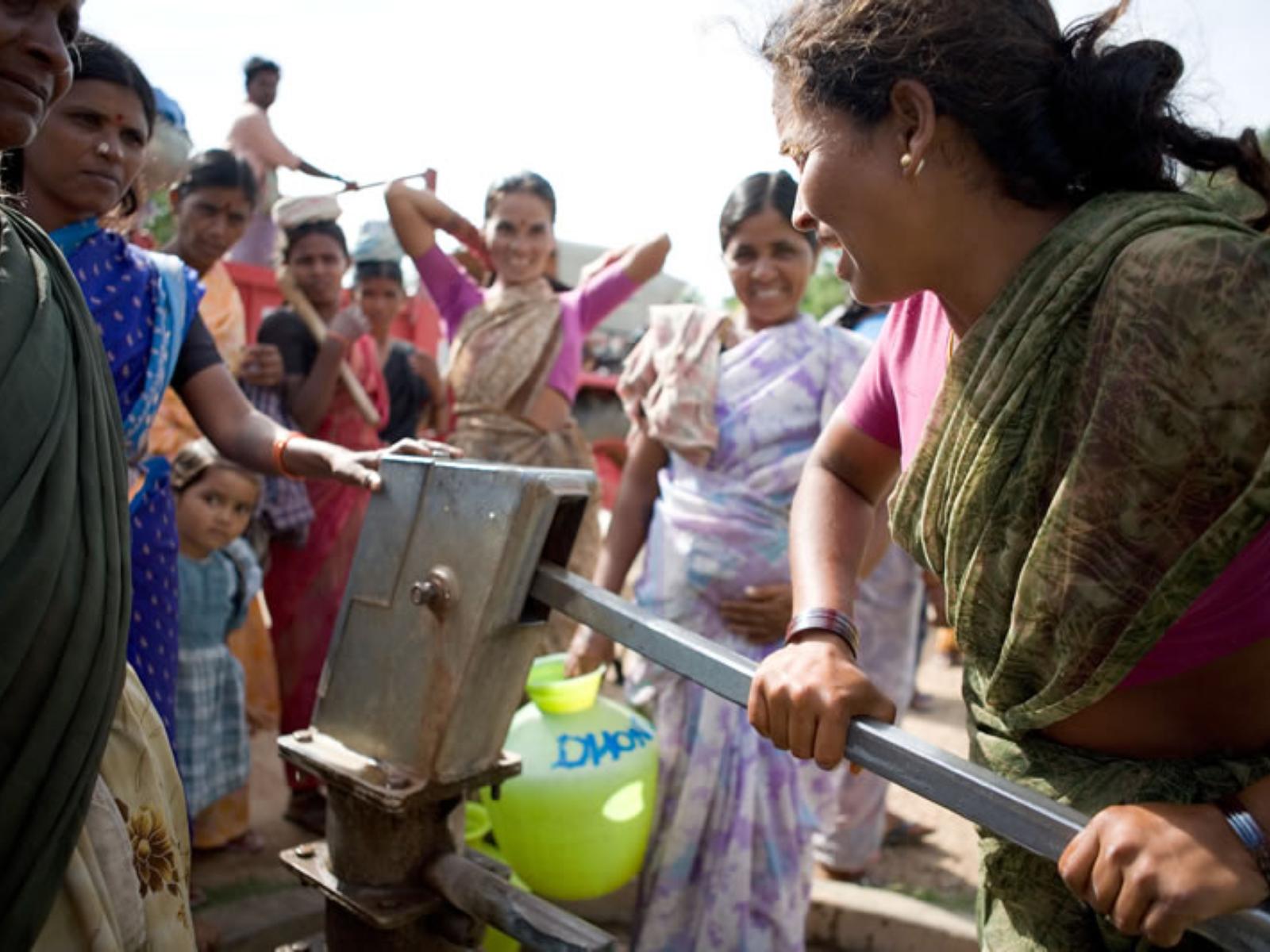
Lo hemos constatado con las agencias de la ONU y las principales ONGs con las que colaboramos: dar poder a las mujeres es la forma más eficiente de impulsar una comunidad y es el punto de partida para que el agua llegue a todos © Carlos Garriga WAWF
Food Security: An Immediate Consequence
Proper water management’s first tangible result is food security, and women play a central role. In 2023, the FAO report provided compelling data: rural hunger stems from an imbalance between what women do and what they have. In fact, women represent 41% of the agri‑food labour force, yet face structural barriers that limit their productivity. Closing this gap could reduce food insecurity for 45 million people and increase global GDP by USD 1 trillion.
If women had the same productive resources as men, agricultural output in developing countries could increase by 2.5% to 4%, reducing global hunger by 12% to 17%. Once again, equality is not only justice: it is efficiency.
On World Food Day, the FAO stresses the need to innovate and ensure new technologies reach everyone, while also advocating for strengthening traditional land- and water-related practices. Over these 16 years, we have confirmed what is evident across all our interventions: recovering ancestral knowledge is one of the most effective tools for creating sustainable environments.
In areas with high water stress, advancing deforestation, and communities undermined by migration, a crucial step forward is integrating crops and forests, harnessing ecosystem services without altering them. In the humid tropical forests of Nicaragua, in one of our first projects supporting regenerative agriculture, and in the transition zones of Ecuador, preserving natural capital is an investment with a highly positive socio‑economic return.
Poverty: At the End of the Chain
Today, poverty is no longer defined solely as a lack of income, but as the deprivation of basic capabilities: adequate food, decent housing, health, education, water and sanitation, connectivity and climate resilience.
And global poverty is overwhelmingly rural. In 2022, more than three‑quarters of people living in extreme poverty were in rural areas, and half of the world’s extreme poor lived solely in rural zones of Sub‑Saharan Africa subject to high levels of water stress.
One of the most painful consequences of water scarcity is migration. According to reports from the World Bank, FAO and the IPCC, around 25% of internal migration in Africa is directly linked to water scarcity, soil degradation and the loss of agricultural productivity. When water disappears, families move towards cities that cannot absorb the influx, generating new informal settlements marked by degradation and vulnerability.
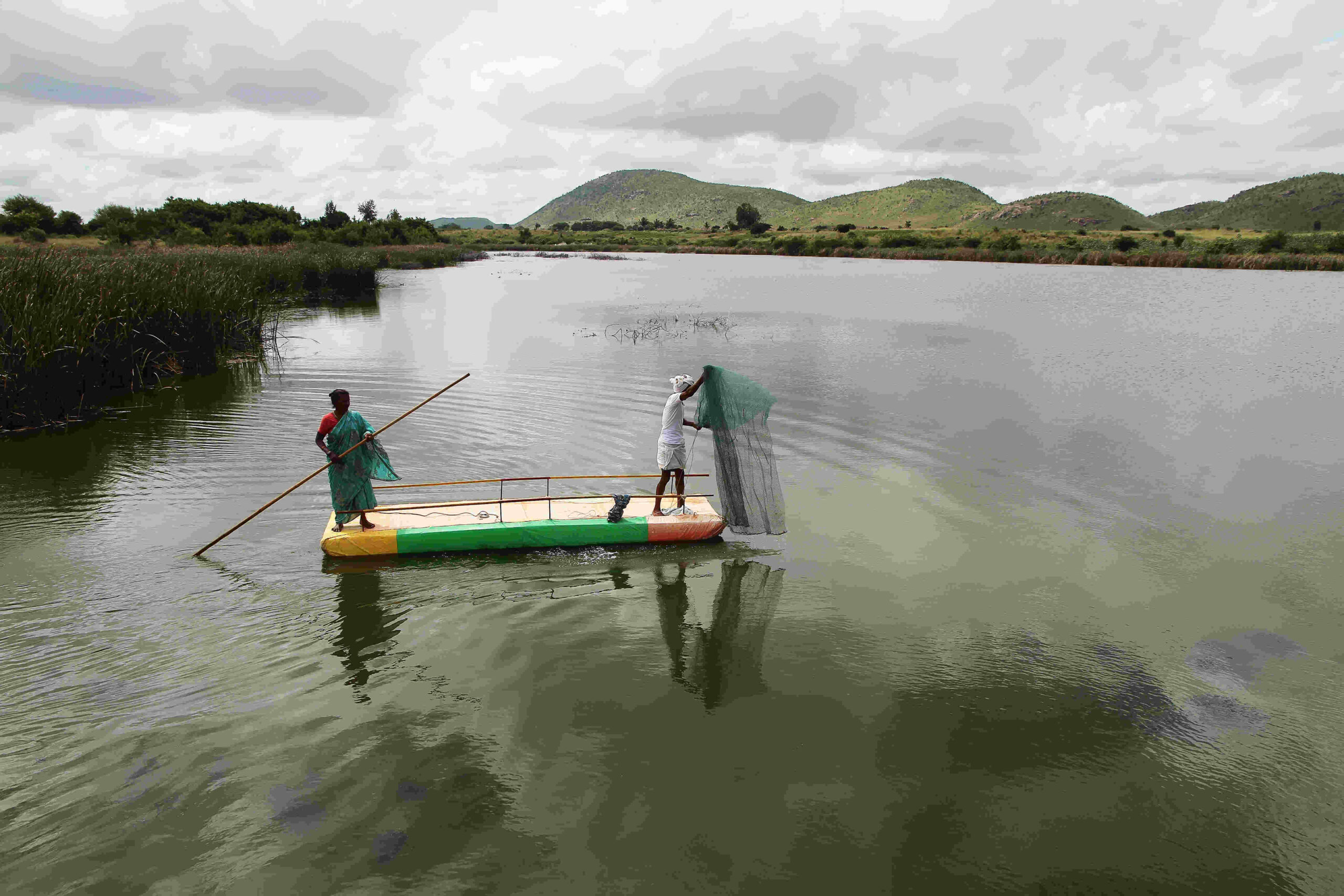
The combination of female leadership, agriculture capable of regenerating its environment, and a path out of poverty finds a paradigmatic example in India: small reservoirs and integrated watershed management. ©Javier Biscayar-FVF
Integrated Solutions in India
The combination of female leadership, agriculture capable of regenerating its environment, and a path out of poverty finds a paradigmatic example in India: small reservoirs and integrated watershed management. In a country where droughts cause malnutrition, mortality and disease, family ruin has had devastating consequences. According to the Vicente Ferrer Foundation, climate disasters over the past three decades have led to the suicide of around 300,000 farmers, unable to face migration to cities where they would end up as internally displaced people in degraded slums.
These traditional infrastructures constitute the seed of India’s agrarian transformation. Integrated into comprehensive watershed management, they enable pond rehabilitation, aquifer recharge, erosion reduction, improved soil quality, promotion of diversified and sustainable crops, and efficient irrigation.
From the first reservoir built in Ganjikunta in 2011 to our intervention at the Tungabhadra dam in Nandyal last year, around 8,000 farmers now have access to water during the harshest periods of drought, diversify their crops, provide water for their livestock, recover their aquifers and regenerate forest cover.
In all these projects, the pattern repeats: social, agricultural, and economic systems where female leadership sustains effectiveness and sustainability, and diversified, sustainable agriculture provides food security. The result is reduced poverty, deeper rootedness in the land and culture, and stronger climate resilience. They demonstrate that solutions are latent within communities. When they are unveiled and appropriated, life changes.