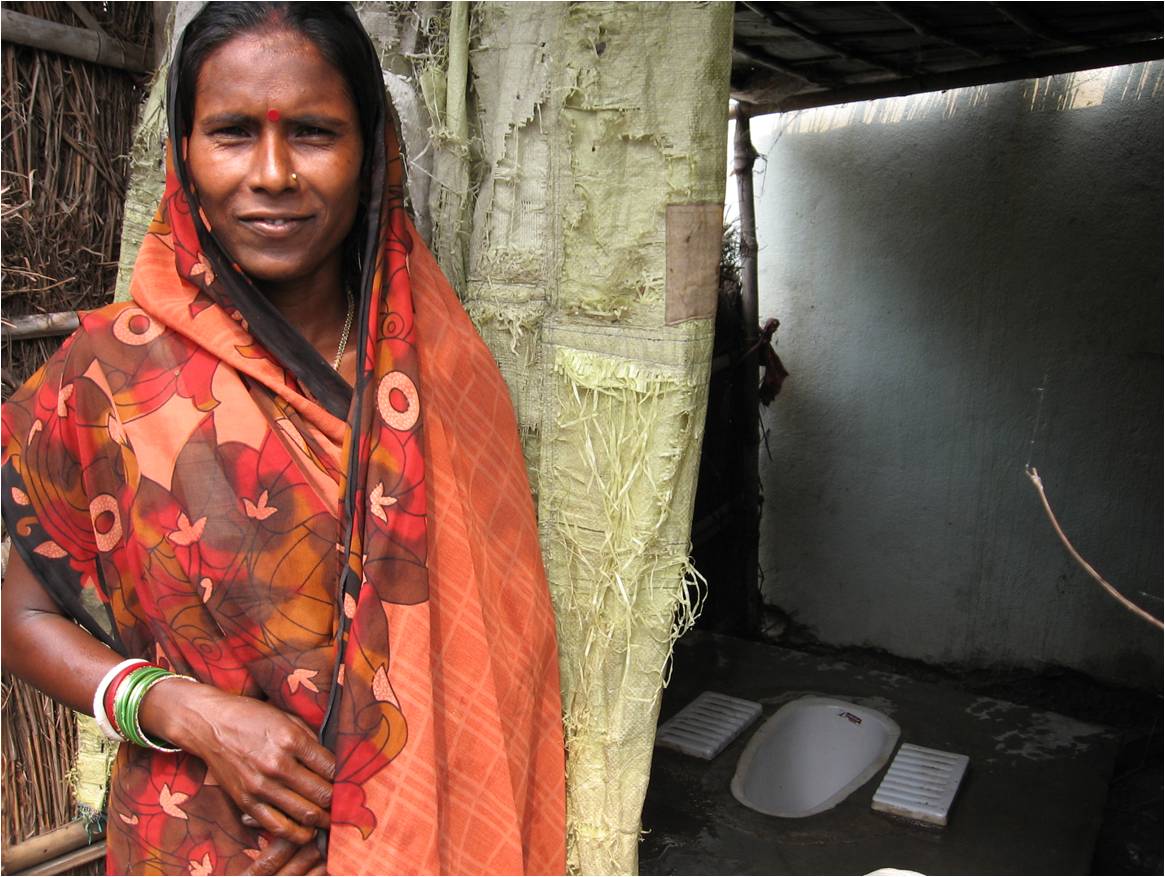
Gender equality is also measured by access to sanitation © UNICEF and Govt. of India
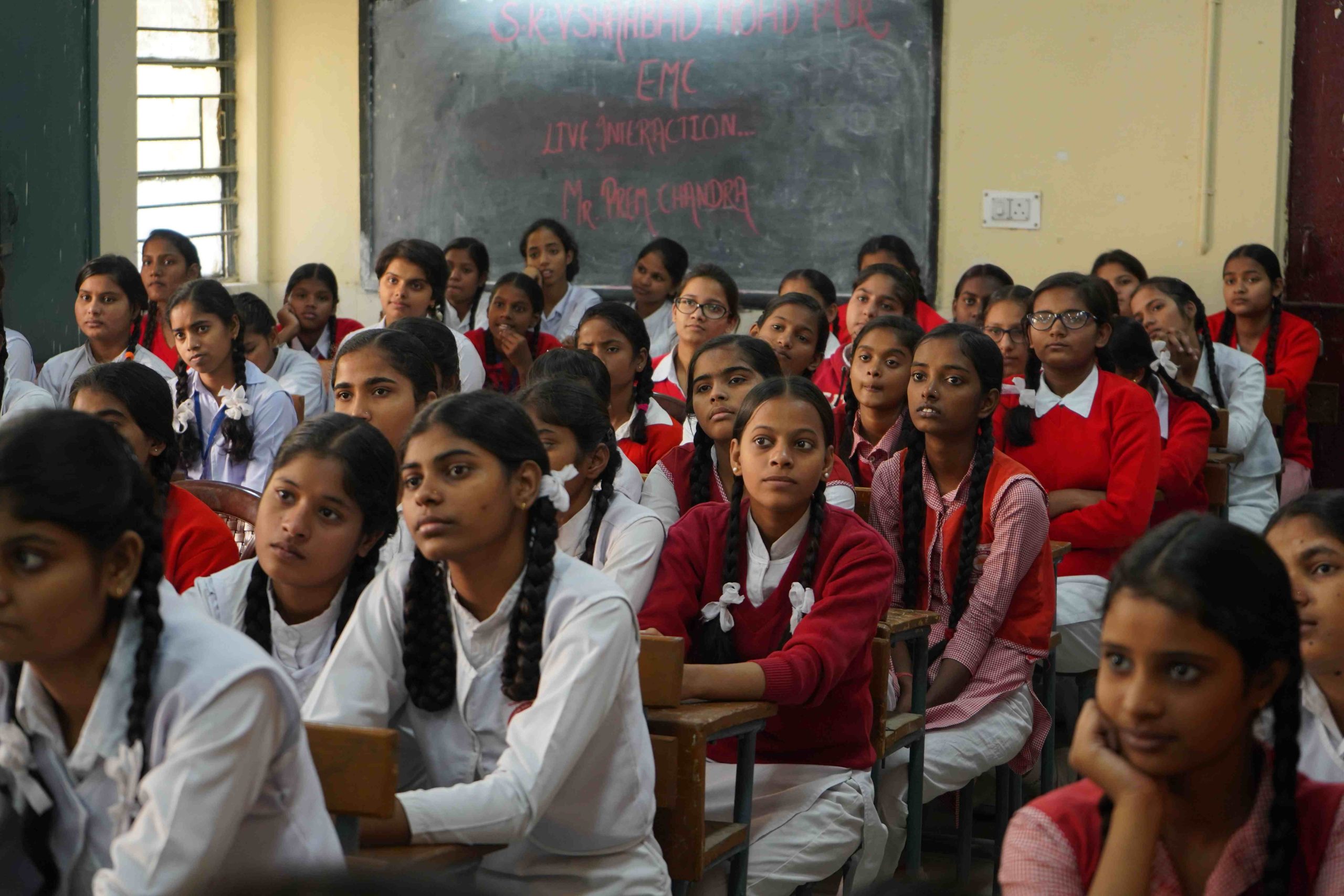
Next December, in India, more than 8,000 girls and adolescent girls from four districts of Alwar, Dewas, Erode and Ranipet will have access to comprehensive safe sanitation services in their schools. They will be able to manage their menstruation appropriately. They will become part of a reality that is still far from universal. According to WHO and UNICEF, only 39% of the world’s schools provide menstrual health education, and fewer than one third (31%) have bins for the disposal of menstrual products in girls’ toilets.
Geja Lakshmi, a teacher at the Higher Secondary School, bears witness to the change brought about by the full inclusion of menstrual hygiene in the school curriculum at the Higher Secondary School in Ranipet, where, two years ago, we introduced Menstrual Hygiene Management Laboratories as a key component in the effectiveness of school sanitation:
“When they had their periods, many girls did not attend school regularly because of the lack of adequate facilities, and now they come with confidence and motivation. They no longer miss classes and seem less stressed and happier. Now [the teachers] have greater confidence in their academic performance.”
From School Sanitation to the Wider World
Designing sanitation and hygiene facilities with the needs of schoolgirls in mind has led to a dramatic reduction in absenteeism and, most importantly, to the normalisation of menstruation among all students and their families.
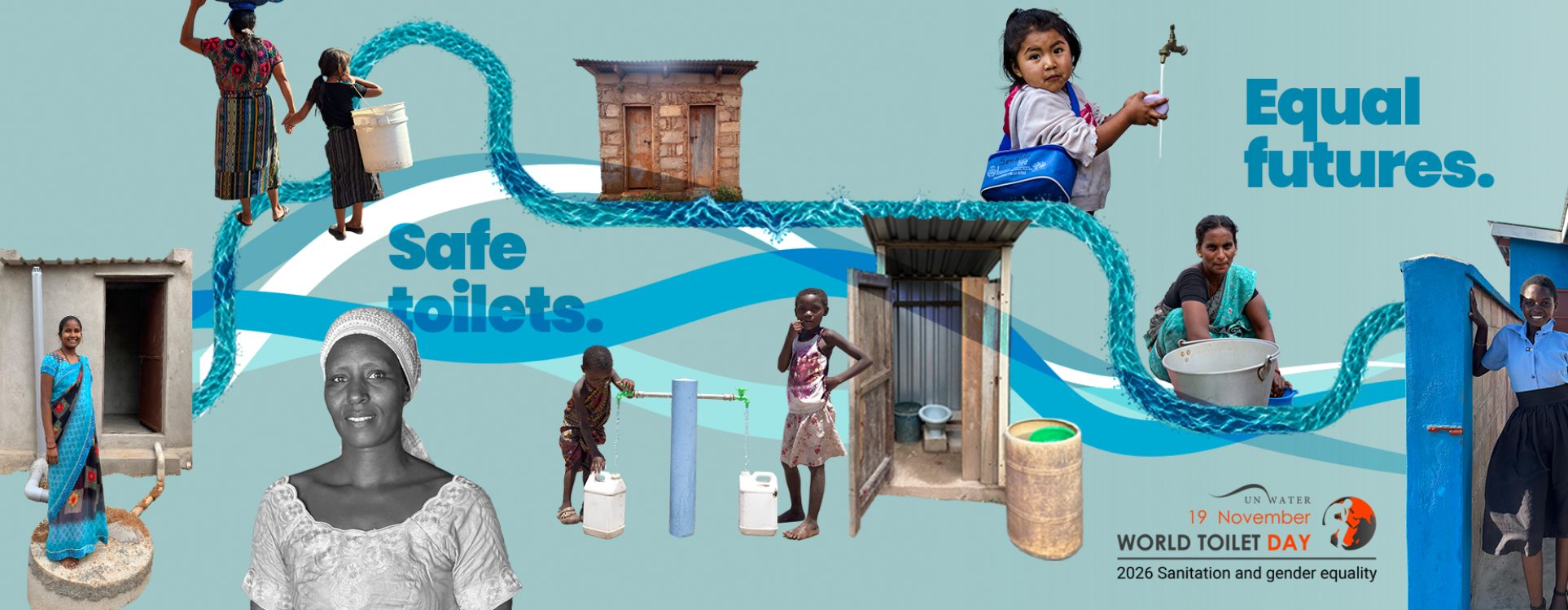
However, school sanitation is only one part of a much broader challenge. On this year’s World Toilet Day, under the theme Safe Toilets, Equal Futures, WHO and UNICEF point out in a report that 3.5 billion people still lack a safe toilet in their homes. Although the figure is not globally disaggregated by sex, women and girls bear a disproportionate burden due to the risks to their safety, privacy and menstrual health arising from inadequate facilities. A particularly revealing statistic is that one in five adolescent girls aged 10 to 19 is forced either to share toilets with other households or to practise open defecation.
Progress since the adoption of the Sustainable Development Goals in 2015 has been significant. According to the WHO/UNICEF Joint Monitoring Programme (JMP), the proportion of the global population lacking at least a basic sanitation service fell from 27% in 2015 to 18% in 2024. In absolute terms, the number of affected people declined from 2.039 billion to 1.469 billion.
However, these figures should be interpreted with caution. The category of basic sanitation refers to the availability of a facility that is used exclusively by a household. Still, it does not guarantee that excreta are safely managed throughout the entire sanitation chain. In other words, a family may have a latrine or a toilet at home while waste still ends up contaminating soil, aquifers or watercourses. For this reason, the United Nations estimates that around 3.5 billion people continue to live without access to safely managed sanitation services, the standard that genuinely protects both human health and the environment.
The Price of Not Having a Safe Toilet
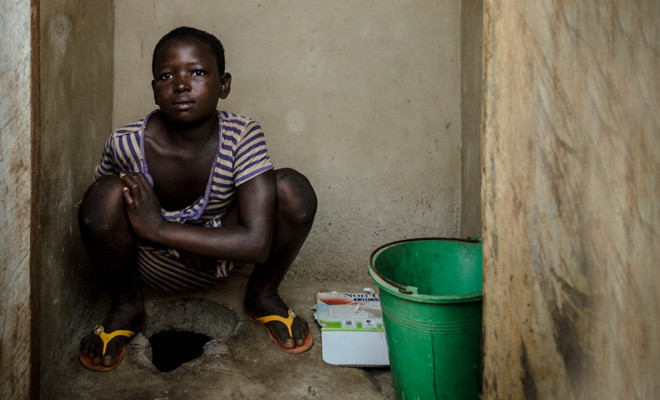
Since 2010, we have been developing sanitation projects with a strong gender focus. Our experience in India has been particularly revealing. There, both in urban outskirts and rural areas, women who do not have a toilet in their homes are often forced to wait until nightfall to relieve themselves without exposing themselves to the gaze of others.
But the risks they face are considerable: they are exposed to attacks by wild animals, theft and sexual assault. Even when they make these journeys in groups, they continue to face high levels of insecurity.
We witnessed this in some of our first projects in the district of Anantapur. There, many women walked up to one kilometre in the dark to reach secluded areas where they could preserve a minimum level of privacy. Building latrines close to their homes eliminated a risk that had become part of their daily routine.
The consequences are not only social or related to personal safety. Regularly delaying urination or defecation can contribute to urinary problems, constipation and other digestive disorders. Added to this are sleep deprivation, constant stress and living conditions that aggravate situations already marked by poverty and malnutrition.
In 2013, a report by the Government of Andhra Pradesh indicated that 33.5% of women were below the weight recommended by the WHO, while anaemia affected 63% of unmarried women aged between 15 and 49 and 56.4% of pregnant women. Although these figures stem from multiple causes, inadequate sanitation remains a key factor perpetuating a cycle of vulnerability, illness, and inequality.
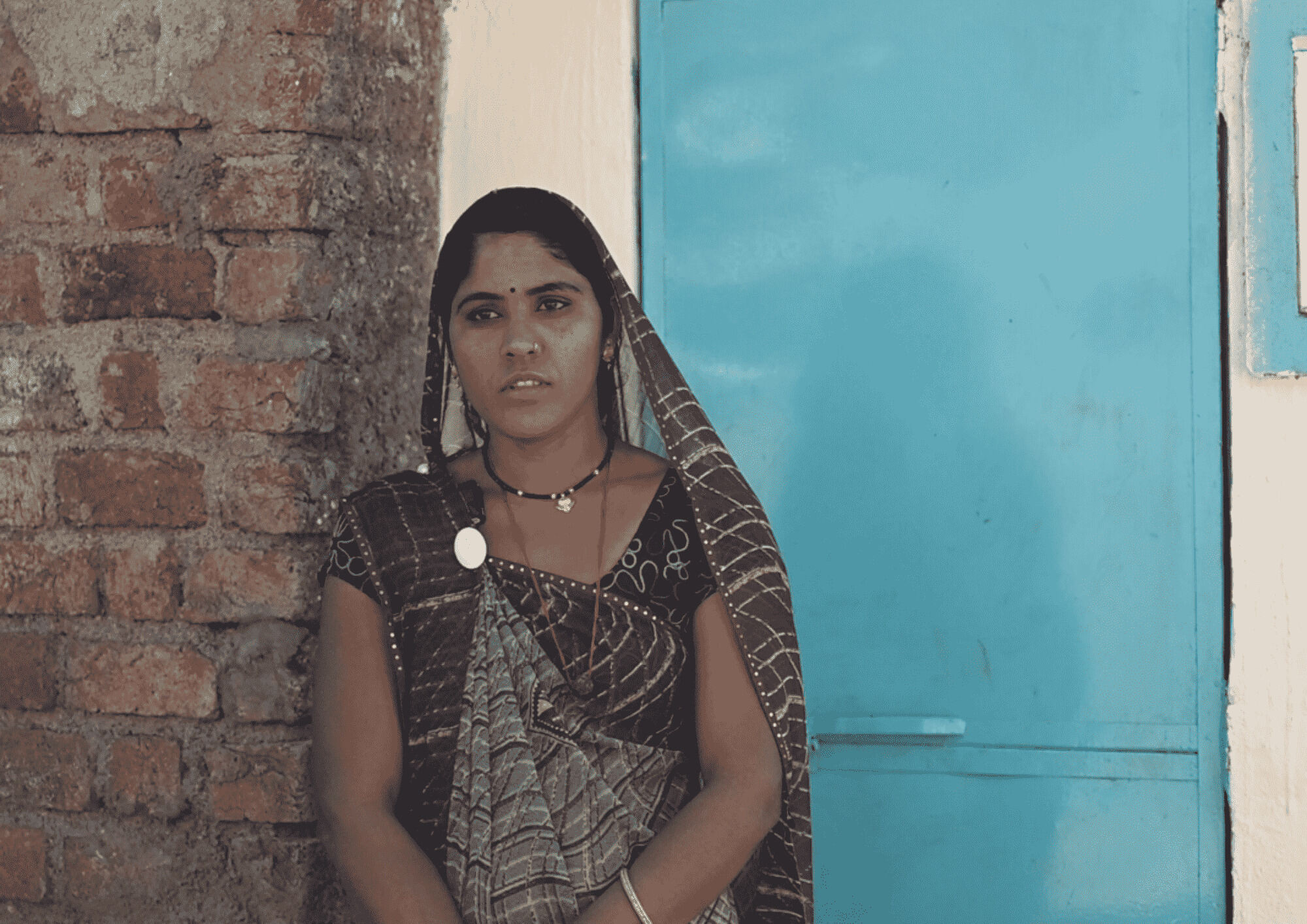
Over 16 years of developing sanitation projects, we have benefited more than 2.6 million people.
Real Progress, Persistent Challenges
Over 16 years of developing sanitation projects, we have benefited more than 2.6 million people, mainly in rural areas of India, Africa, Indonesia and Latin America.
In recent years, progress has been evident, particularly in the development of a culture of hygiene and the gradual disappearance of social barriers such as menstrual taboos and the gender inequalities that for generations relegated women’s needs to a secondary position.
Our experience shows that women’s access to scientific and health information is a key driver of cultural change. Knowledge enables people to challenge misconceptions, adopt healthier hygiene practices and extend those changes to households and entire communities.
However, significant challenges remain. Climate change has emerged as a growing risk factor, particularly through the increasing destruction of sanitation facilities most vulnerable to flooding. At the same time, the multilateral system of international cooperation is going through a period of uncertainty as some of its leading actors reassess their commitments to development cooperation.
In this context, sanitation reminds us that gender equality cannot be taken for granted. For millions of women and girls, access to a safe toilet remains a basic condition for exercising fundamental rights such as education, health and social participation.
For this reason, on World Toilet Day, it is essential to highlight women’s active role not only as beneficiaries but also as leaders in developing solutions. Their equal participation in the design, management and delivery of water and sanitation services is crucial to ensuring that these services respond to the real needs of communities. When women co-lead these processes, the solutions are more effective, more sustainable and longer-lasting.
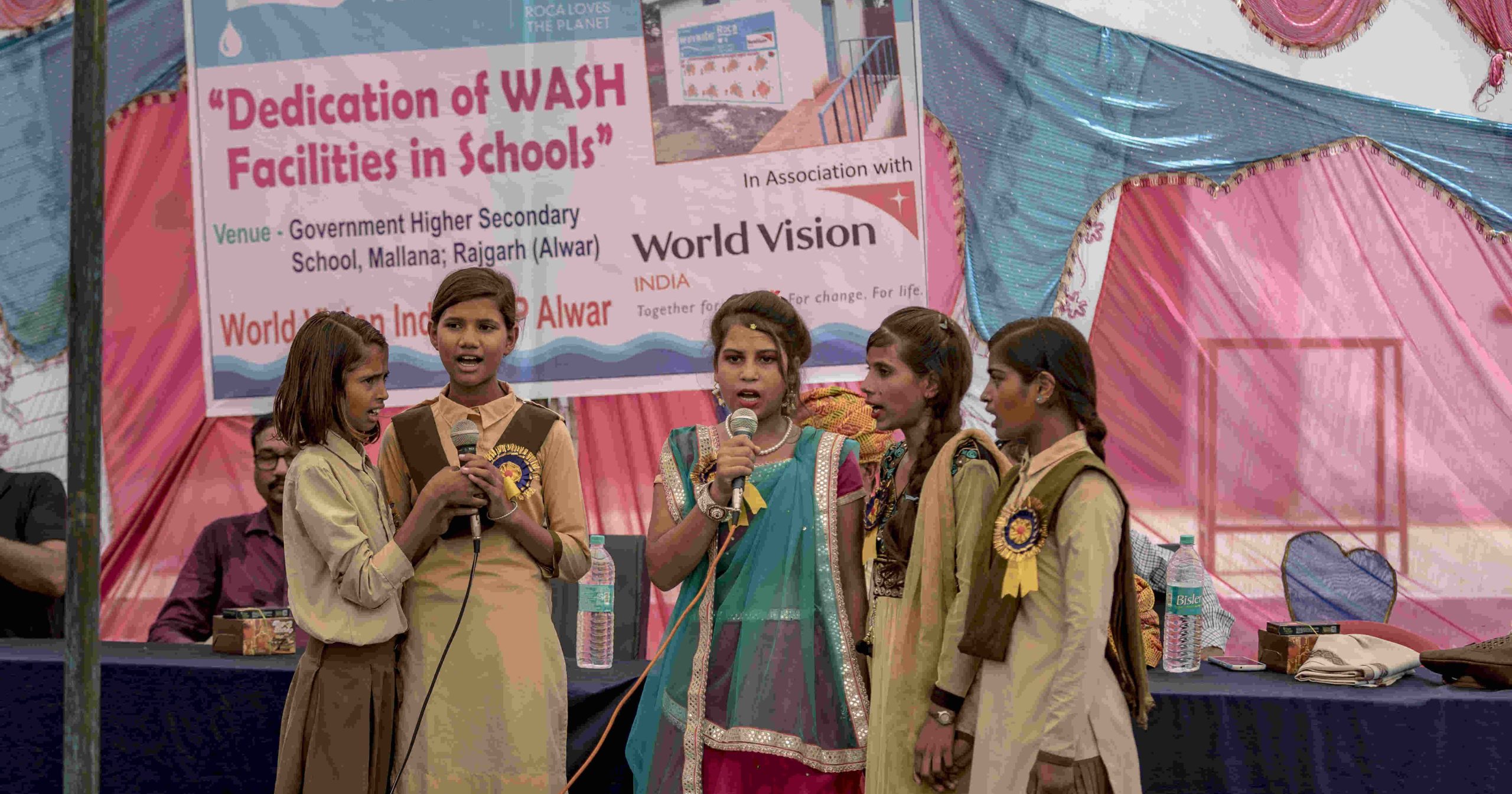
On World Toilet Day, it is essential to highlight women’s active role not only as beneficiaries but also as leaders in developing solutions. ©Carlos Garriga/WAWF