
The tourism industry, due to its visibility and scale, is consolidating itself as a driver of awareness and change in the fair management of water. Its role as a social responsibility agent goes beyond infrastructure: it influences the millions of people who use it. Eight years ago, we began our collaboration with Hilton Grand Vacations with the initiative Let’s make a deal, a project that marked a turning point in the responsible use of water in tourist destinations. That experience evolved into the Walkathons, a further step in guest participation and awareness.
Since then, we have held 43 walks, and this year we will add 17 more and three races in 8 countries (Spain, England, Scotland, Austria, France, Portugal, Italy and Mexico) over six months. We continue to confirm that change exists and deepens: the connection between those who walk out of solidarity and those who walk out of necessity is strong and expanding.
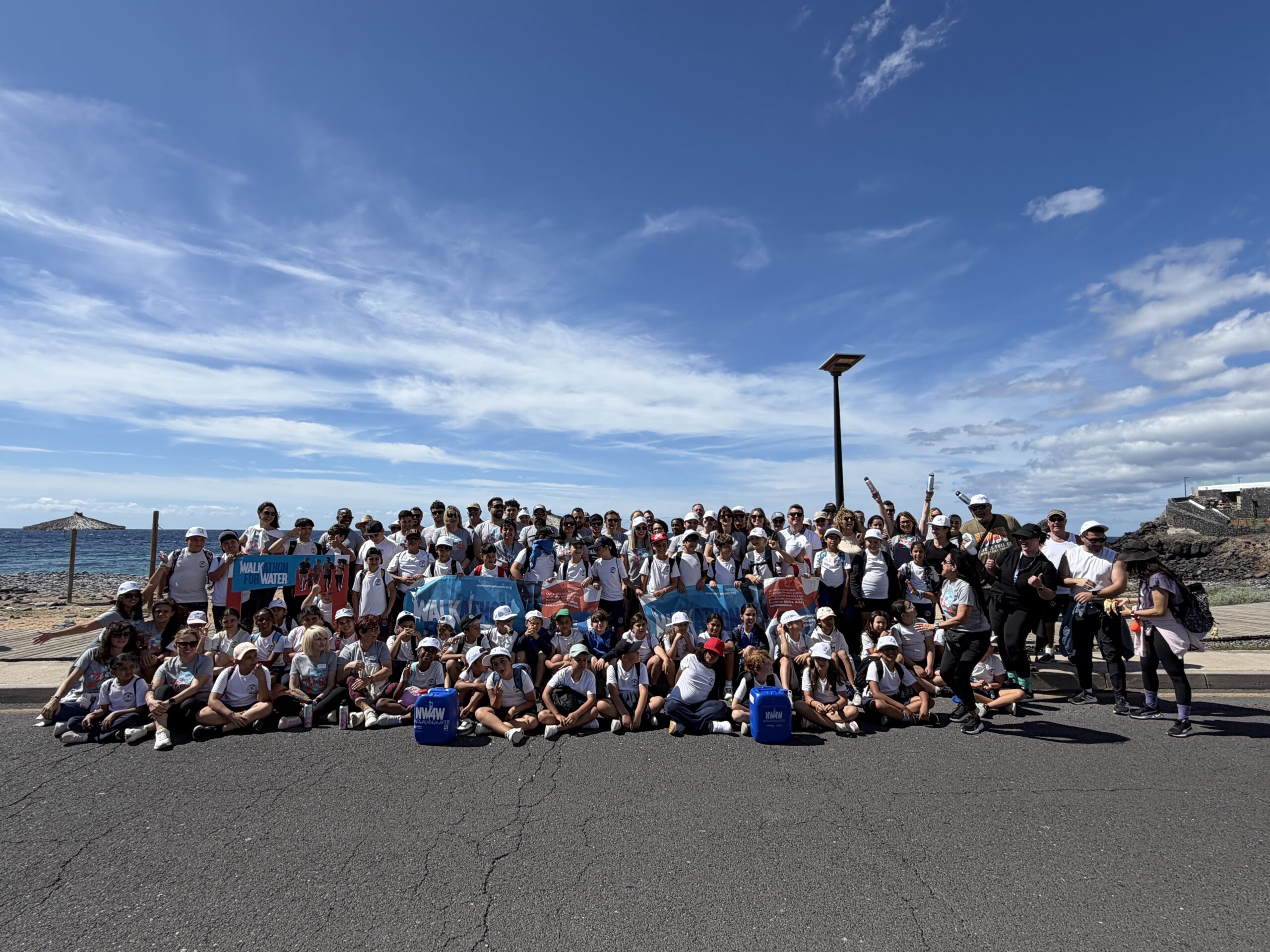
The new Walkathons season once again shows the drive of those who understand that the water crisis is not a distant problem.
Water in abundance, water in shortage
“Water availability” is a geological and theoretical concept. It is measured in cubic metres per inhabitant per year, calculated from the average precipitation and surface and groundwater of a geographical area over long periods, divided by its population.
Under this criterion, Europeans have between 2,000 and 6,000 m³ of water per inhabitant per year. In contrast, the projects we fund take place in regions that barely reach 800-1,000 m³. This is the case of Baja California in Mexico, where each inhabitant has 849 m³; or of Andhra Pradesh in India, where a generous monsoon can raise availability to 1,200 m³, but a poor year reduces it to 600 m³, a level that reflects severe water stress.
Availability and access to water are related but very different concepts. In practice, access depends on social, economic and territorial factors. Europeans are among the more than 6 billion people who enjoy full access to water. In contrast, in Baja California and Andhra Pradesh, an average inhabitant is among the 700 million who do not: those who must walk to the sources, those who often find them dry or contaminated, those who depend on rainfall, or those who, even living near infrastructures, lack the resources for water to reach their homes.
In line with the spirit of the Walkathons, this year the projects in Baja California and Andhra Pradesh will receive the walkers’ support.
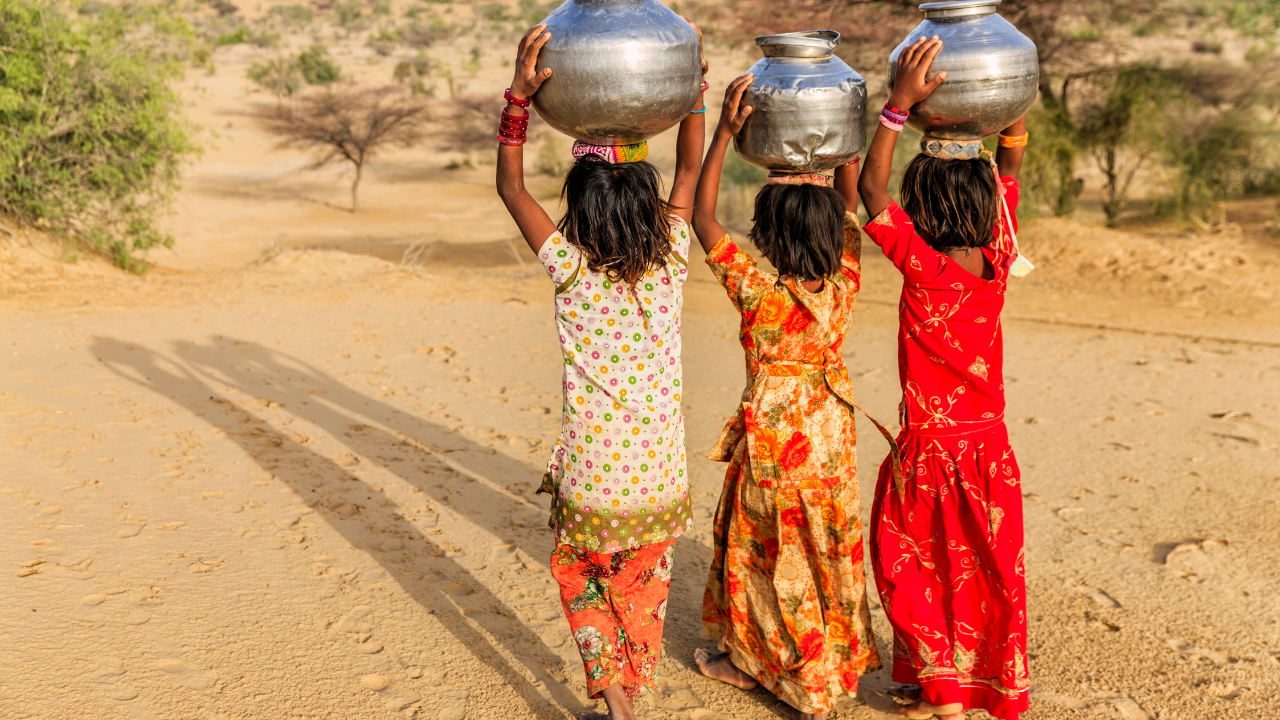
The idea is simple: to cover a symbolic distance of between 4 and 6 kilometres. It is equivalent to the average distance that women and children walk around the world to fetch water.
Walk so that others do not have to
The idea is simple: to cover a symbolic distance of between 4 and 6 kilometres. It is equivalent to the average distance that women and children walk around the world to fetch water. The aim is to make visible an injustice that hinders the education, health and social development of millions of people.
The walks start at Hilton Grand Vacations resorts and follow routes accessible to all ages. Beyond resort guests, they are open to anyone who wishes to participate, with a minimum registration fee of 5 euros, allocated entirely to the projects.
12 projects and more than 1.6 million beneficiaries
Each step builds awareness; each kilometre brings closer realities that would otherwise remain invisible. The generosity of participants has increased, enabling the project’s scope to expand. Since we began our collaboration with Hilton Grand Vacations through Hagamos un Trato, and with this year’s edition, the Walkathons will have helped fund 13 projects in India, Colombia, Tanzania, Romania, Moldova, Ukraine, Madagascar, Morocco, Indonesia, Guatemala, and Mexico.
In total, our support has reached more than 1.6 million people in some of the areas most affected by a lack of access to water. Where people once walked for hours to fill a container, it is now possible to open a tap, attend school or maintain a family garden. Each project shows that the solidarity of those who walk has a real and lasting impact.
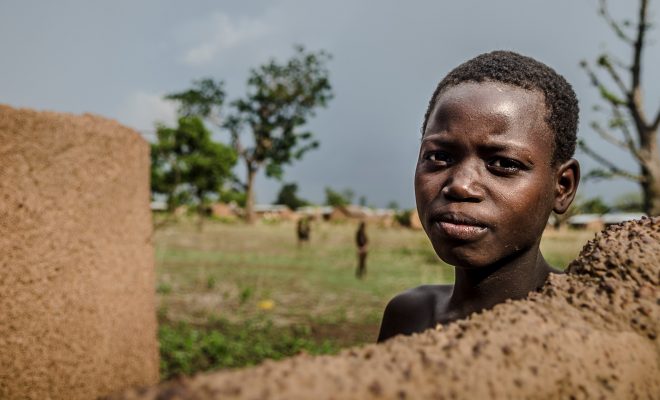
The support reaches the essence of Human Rights. In the most deprived areas of Africa, South Asia and Latin America, women and girls suffer the worst consequences. They are also the ones responsible for carrying containers that can weigh up to 20 kilos every day, under a scorching sun and exposed to multiple dangers due to their high vulnerability.
To better understand this injustice: around the world, about 125 million hours are spent every day fetching water, and in sub-Saharan Africa alone, 40 billion hours a year. This is equivalent to a full year of work by the entire labour force of a country like France. It is an enormous economic loss and a blow to girls’ schooling. A burden for the countries with fewer resources that keeps them far from achieving the SDGs.
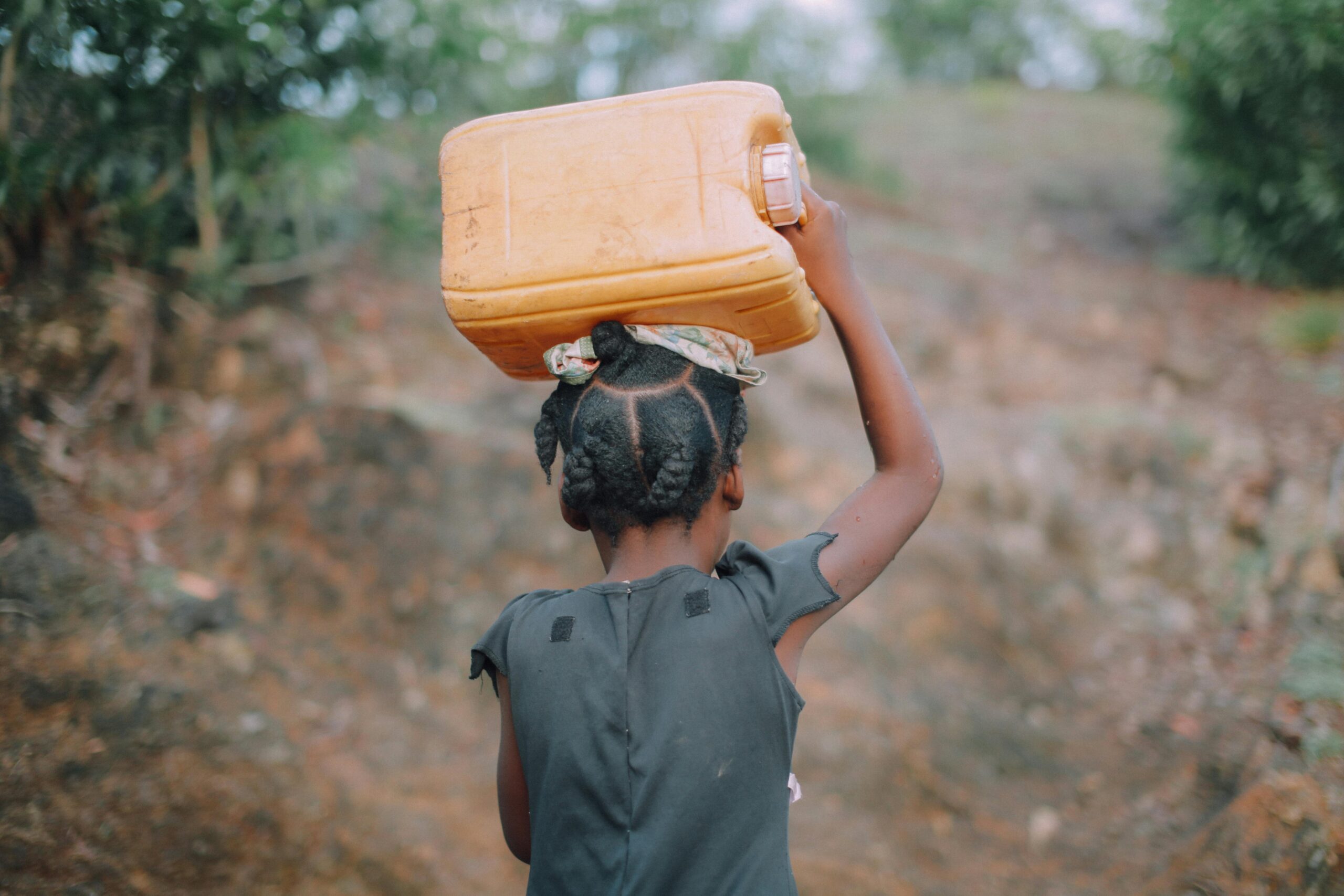
In the most deprived areas of Africa, South Asia and Latin America, women and girls suffer the worst consequences. They are also the ones responsible for carrying containers that can weigh up to 20 kilos every day. © pexels-kelly
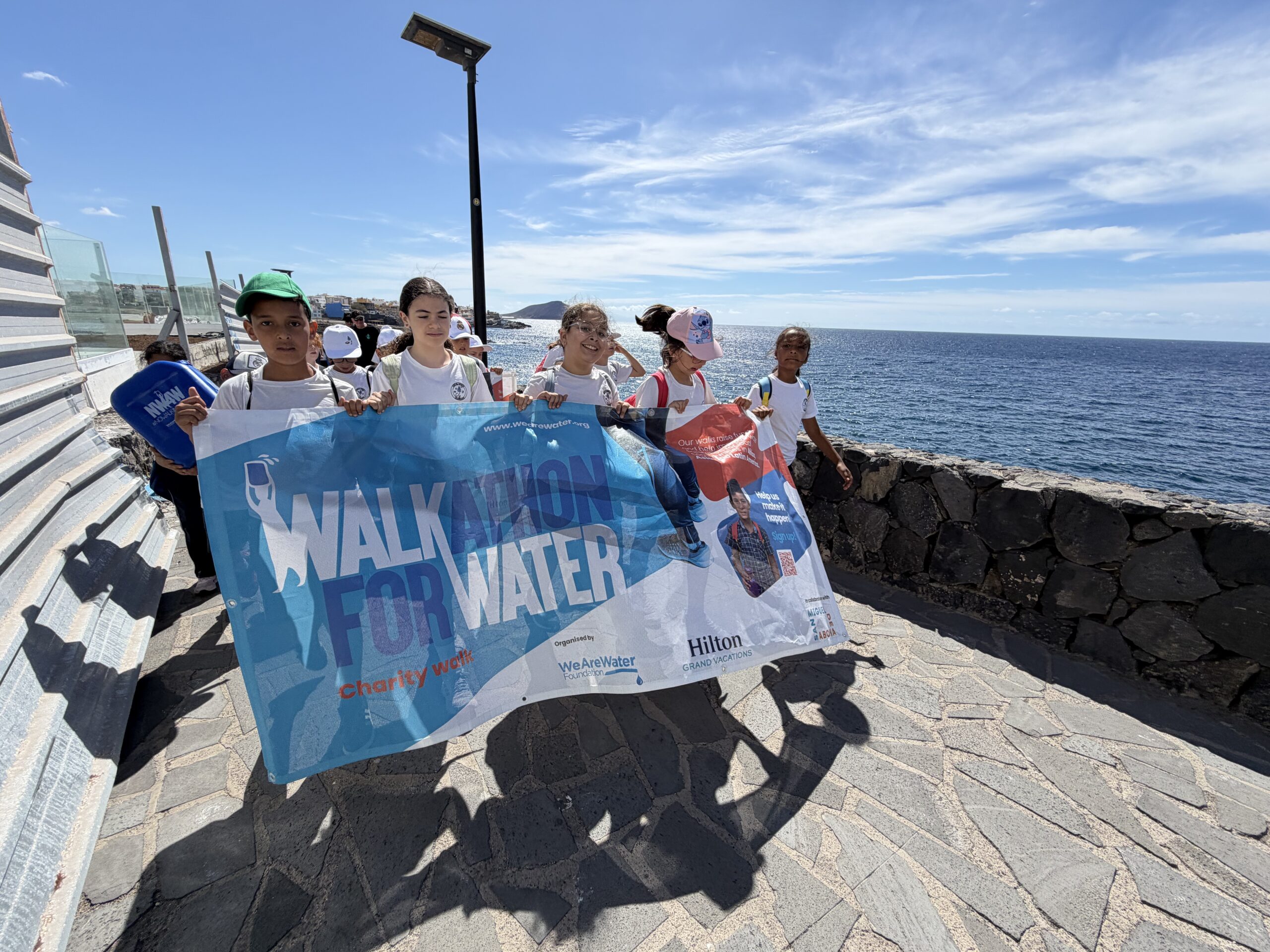
The Walkathons are a revealing experience of the role of the tourist destination as a factor in promoting fair access to water, and an example of sustainability as a decisive criterion in the emerging new market.
The value of awareness in the tourism industry
Each season, thousands of people join the Walkathons and turn an everyday gesture into a collective statement. They are guests who, upon returning home, become communication agents. They spread an essential message: even in regions with abundant water, access is not guaranteed.
This movement coincides with the development of a new tourism industry with a vocation for change: more sustainable models, connected with local communities and promoters of their culture, with rigorous environmental respect and with water and energy management as pillars of development. Tourism is one of the most important drivers of the global distributive economy. It bears the responsibility of leading a development model that becomes a benchmark for sustainability in how we live on Earth. The awareness of new tourists is one of the strongest hopes for progress towards that goal.
Sustainable tourist destinations have become a reference for consumers. The Walkathons are a revealing experience of the role of the tourist destination as a factor in promoting fair access to water, and an example of sustainability as a decisive criterion in the emerging new market. They constitute a social thermometer that shows that we are waking up.