Rathana Kothuru Village, Thuggali Mandal, Nandyal District, Andhra Pradesh, India
In collaboration with


April 2026 – April 2027
We seek to make use of the monsoon, enhance groundwater recharge and reduce erosion through water‑retention infrastructure and efficient irrigation systems.
Objectives
- Increase water retention during the monsoon through the construction of a check dam.
- Improve agricultural productivity with reliable irrigation, improved crop yields and farmers’ incomes.
- Reduce soil erosion, control runoff, and strengthen community livelihoods and self‑sufficiency.
Beneficiaries
570 direct
180 children under 15 years and 174 women.
250 indirect
40 children under 15 years and 70 women.
On the ground
Climate instability, water stress, soil erosion and declining agricultural and livestock productivity
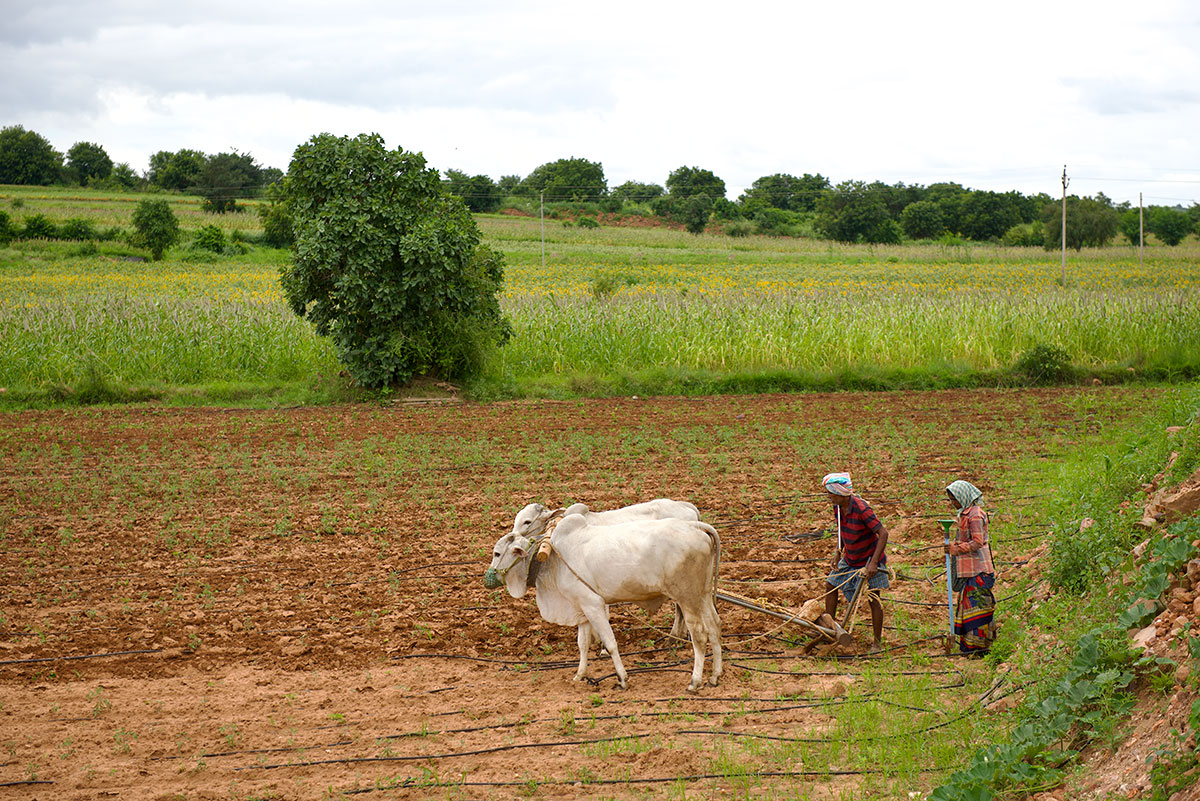
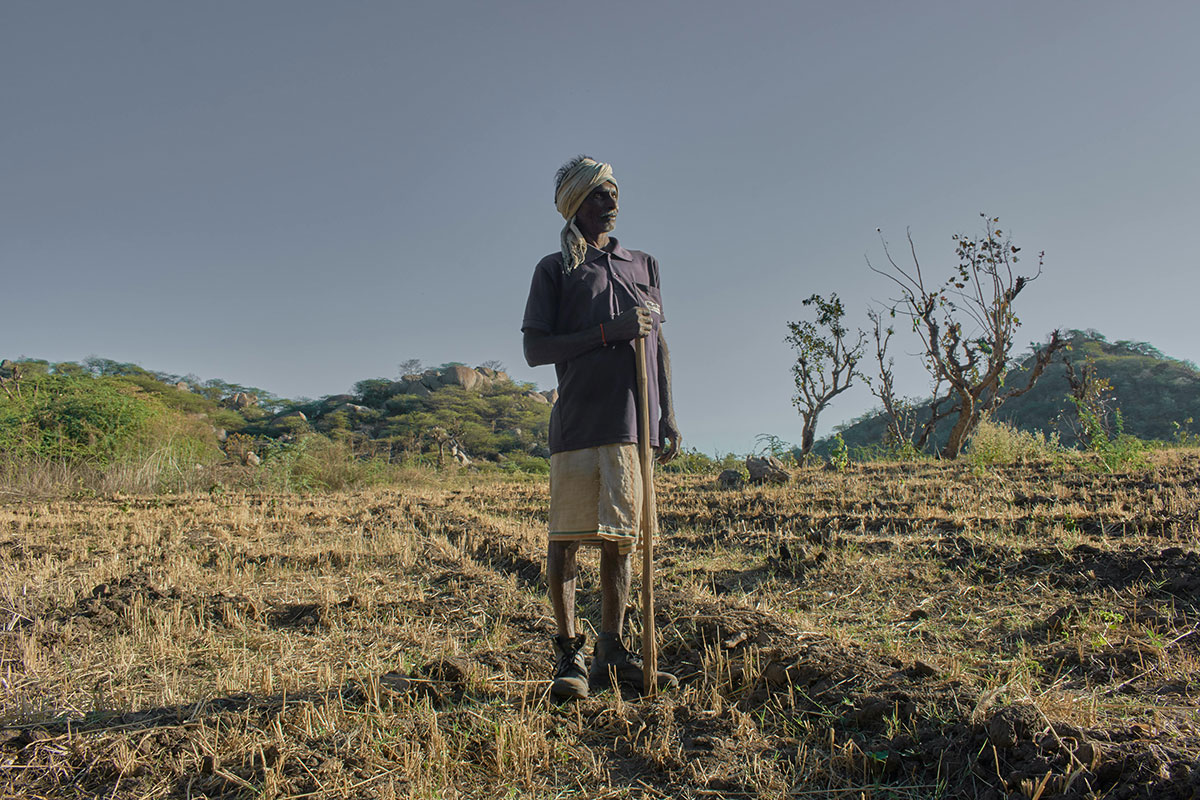
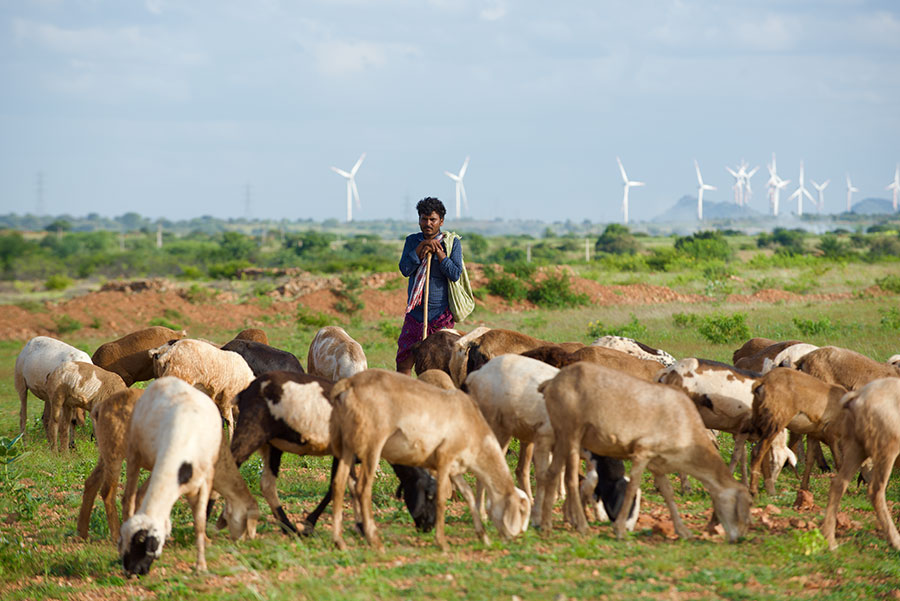
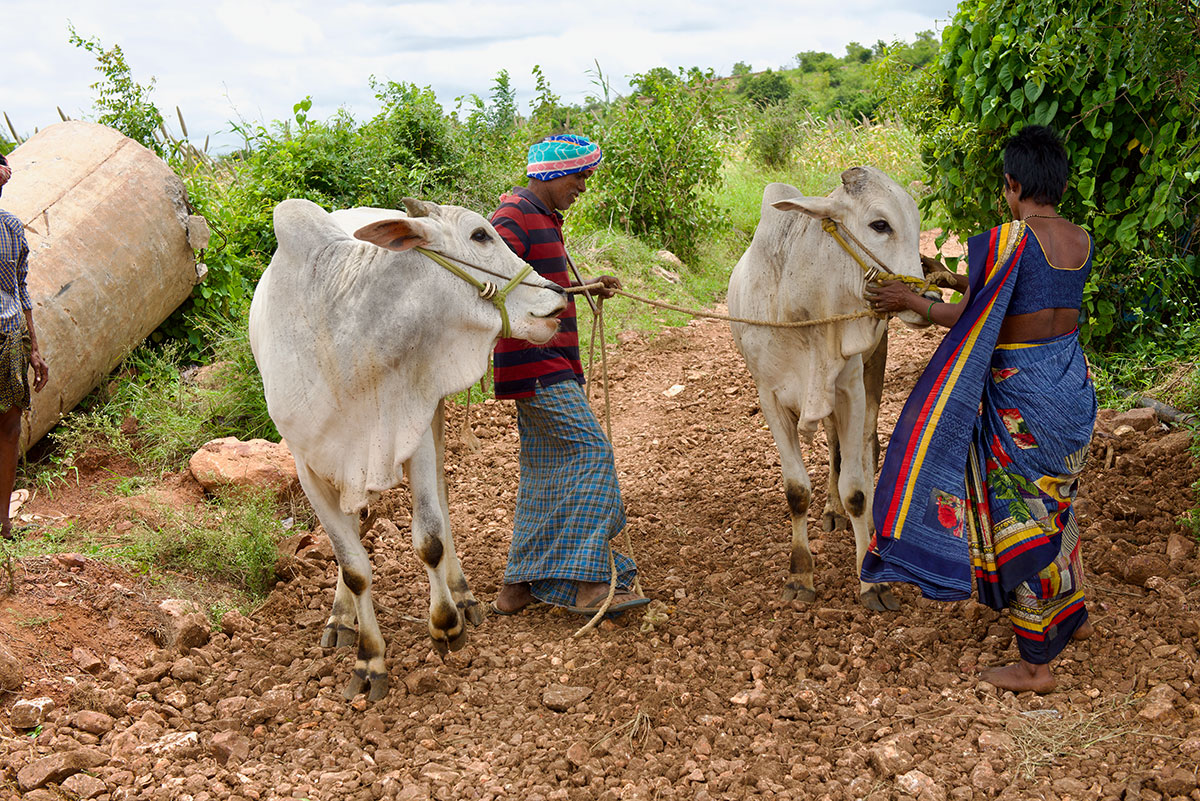
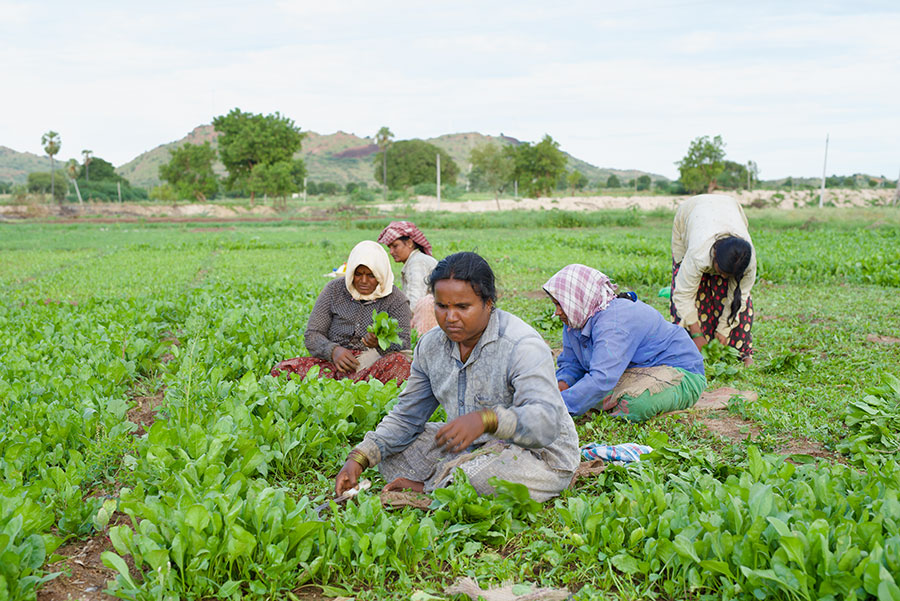
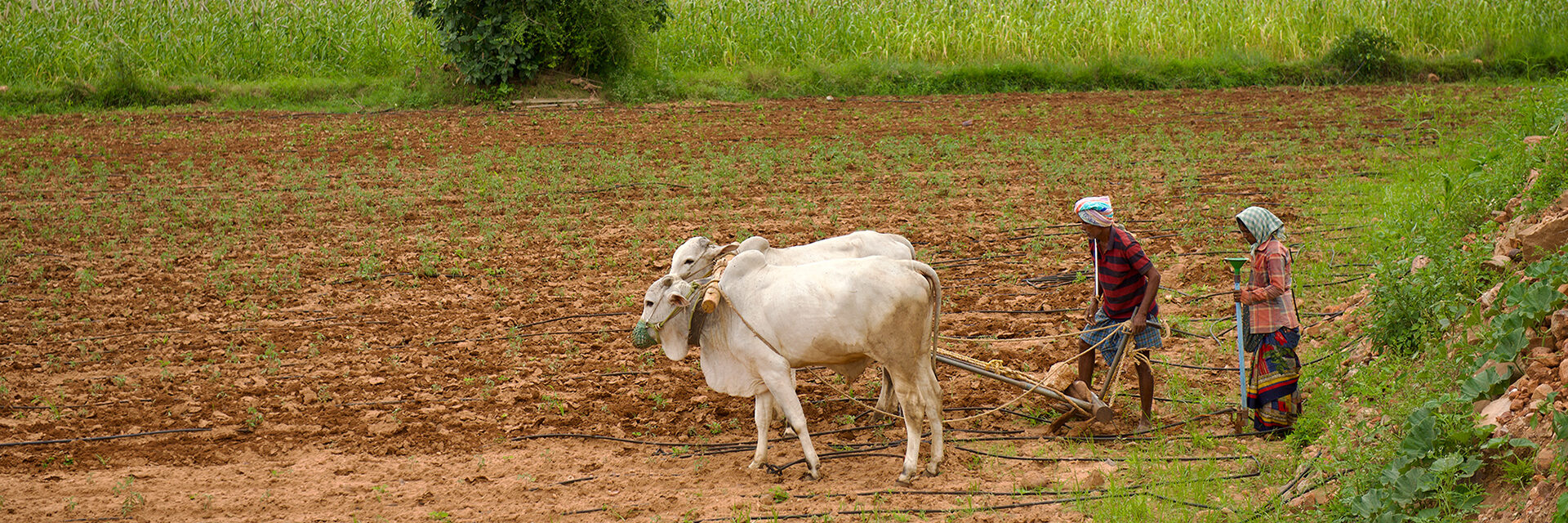
Rathana Kothuru is a remote village under the Rathana Gram Panchayat in Thuggali Mandal, located three kilometres from the Panchayat headquarters and nine kilometres from the Mandal headquarters. The village comprises 100 families and a population of 570 people who depend mainly on rainfed agriculture and livestock‑based livelihoods. Similarly, the village of Rama Konda, in the same Mandal, relies heavily on agriculture and faces increasing water insecurity due to the deterioration of traditional water bodies.
The area suffers from chronic water stress due to irregular rainfall, declining groundwater levels, and the lack of functional water‑harvesting structures. In Rathana Kothuru, the existing storage tank is heavily silted and shows structural deterioration, reducing its capacity. Groundwater recharge is insufficient, and seasonal rainfall is not adequately utilised.
Traditional rainfed agriculture has become increasingly unviable, forcing farmers to depend on irrigation through bore wells. The situation is further aggravated by a high livestock population of 1,064 animals, which significantly increases water demand for both domestic and livelihood needs.
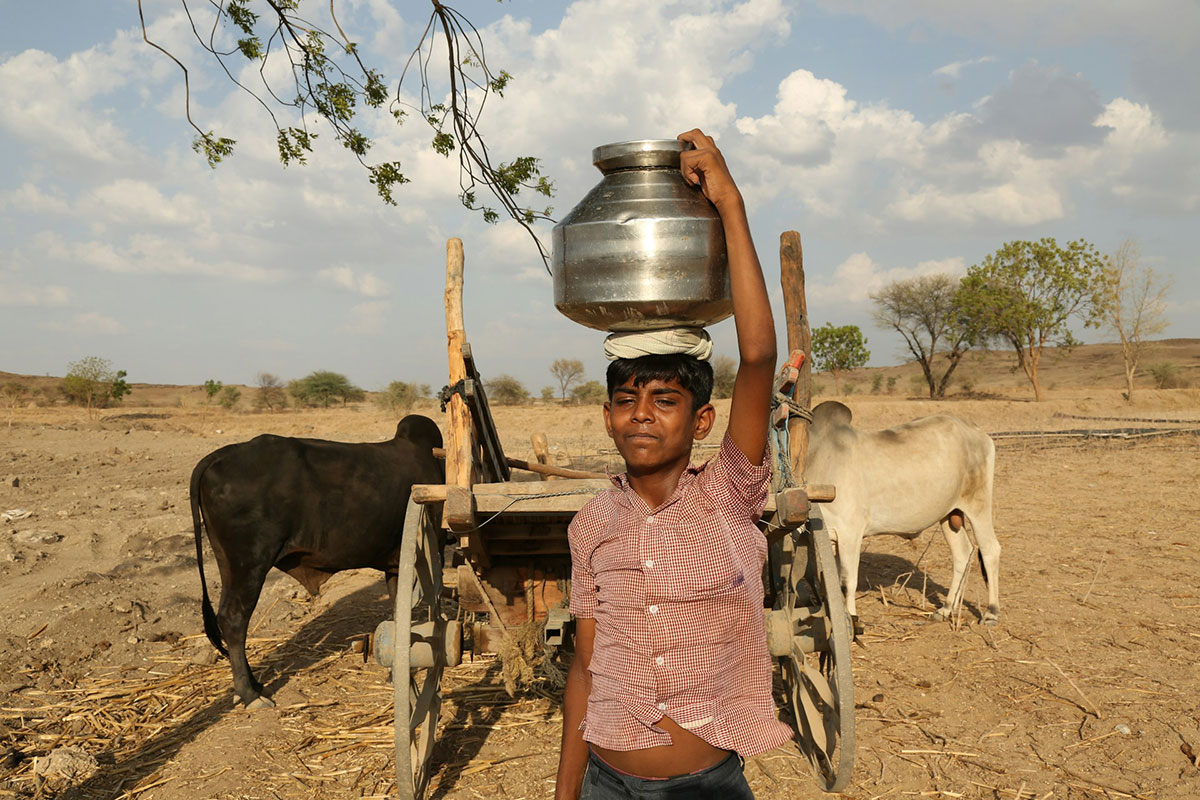
During the monsoon season, a considerable volume of runoff passes through the village without being utilised, contributing to soil erosion and the loss of water resources. The lack of effective water‑conservation infrastructure has led to reduced agricultural productivity, lower fodder availability and increased stress on livestock health. Women and children are particularly affected, as they must spend long hours collecting water from distant sources, with consequences for household productivity, health and education.
Despite the integrated development interventions implemented over the past two years, the absence of climate‑resilient water infrastructure remains a critical obstacle to achieving sustainable outcomes in agriculture, livelihoods and community well‑being in both villages. Climate variability and recurrent droughts have increased household vulnerability, leading to livelihood instability and migration to urban centres.
Water data for Rathana Kothuru:
- Average annual rainfall: 635 mm
- Average depth of bore wells: 91 to 106 m
- Average depth of water availability: 61 to 76 m
The project aims to address these challenges by constructing a check dam in Rathana Kothuru and renovating the old tanks in Rathana Kothuru and Rama Konda.
In detail
Basic project actions
- Organisation of educational meetings and workshops for farmers and EDC members
- Rejuvenation of the existing tank
- Construction of a check dam in Adda Konda Vanka
- Planting of local species on the bunds
- Follow‑up and monitoring
- Post‑project accompaniment
The Department of Ecology and Sustainable Livelihoods of the Vicente Ferrer Foundation, with a team of dedicated social technicians, supervises the project. Implementation at the village level is carried out by a civil engineer under the supervision of the sector team. The technical director, a senior civil engineer, provides technical expertise and overall direction. A social technician is responsible for community mobilisation to ensure the participation of farming families and the Eco Development Committees (EDC). The EDCs constitute a leadership platform composed of men and women selected by the community, who serve as a link between the population and the organisation.
Methodology
The Department of Ecology and Sustainable Livelihoods of the Vicente Ferrer Foundation, with a team of dedicated social technicians, supervises the project. Implementation at the village level is carried out by a civil engineer under the supervision of the sector team. The technical director, a senior civil engineer, provides technical expertise and overall direction. A social technician is responsible for community mobilisation to ensure the participation of farming families and the Eco Development Committees (EDC). The EDCs constitute a leadership platform composed of men and women selected by the community, who serve as a link between the population and the organisation.
Sustainability perspectives
The main objective of the project is to improve the livelihoods of rural farming communities by conserving and strengthening natural water resources. By increasing groundwater availability in the village, the project lays the foundations for sustainable, climate‑resilient agriculture, which remains the main source of livelihood for farming families. Greater water security helps reduce socio‑economic disparities, stabilise agricultural incomes and limit migration to urban areas driven by necessity.
In addition to benefiting farmers, the project creates opportunities for sustained employment for agricultural workers by enabling productive activities year-round. The resulting income stability supports the broader socio‑economic development of the community and improves its quality of life.
The project also recognises the essential link between people and the natural environment, and seeks to restore ecological balance through sustainable water management and conservation practices.
Ensuring high‑quality implementation and active community participation is fundamental for long‑term sustainability. The project prioritises the use of appropriate materials and specialised labour, while promoting transparency and accountability through strong community involvement.
Members of the Eco Development Committee (EDC) participate in all stages of the project, from field studies to the procurement of materials, the setting of rates and payments to suppliers. Once the works are completed, the project assets are formally transferred to the EDC in the presence of the local community, with an official handover certificate.
During implementation, awareness programmes are carried out to strengthen community understanding of asset maintenance and shared responsibility. This participatory approach ensures the durability of the infrastructure, proper management, and sustained impact over time.
Considering the village’s geographical and climatic conditions, the proposed interventions are practical, technically viable, and appropriate to the context. Consequently, the project can generate a sustainable, measurable long‑term impact.