
Our experience in each of the 120 projects we have reached in 2025 confirms something essential: trust in communities, women’s leadership and the drive of education are not abstract principles, but tangible values that directly improve access to water and sanitation. However, this has been an uncomfortable year for international optimism. The combination of prolonged conflicts, geopolitical tensions, record debt, persistent inflation and extreme climate events, together with the reduction in international aid, has tested the resilience of low- and middle-income economies.
Even so, in the midst of this uncertain landscape, signs of progress are emerging. The new immersive World Bank report and the data from the recent JMP update — the joint monitoring programme of WHO and UNICEF — offer a message that deserves attention: global resilience has been greater than expected. And behind that resilience lies a clear pattern: when investment is made in essential services, societies respond. This observation, evident across sectors such as energy, agriculture, and health, has direct implications for one of the planet’s most urgent challenges: water. As we recalled at the last World Water Week, if massive and coordinated investments work in other basic services, why are we still not applying them to the resource that sustains all the others? The question is not rhetorical. And the answer, as the latest data show, invites prudent but real optimism.
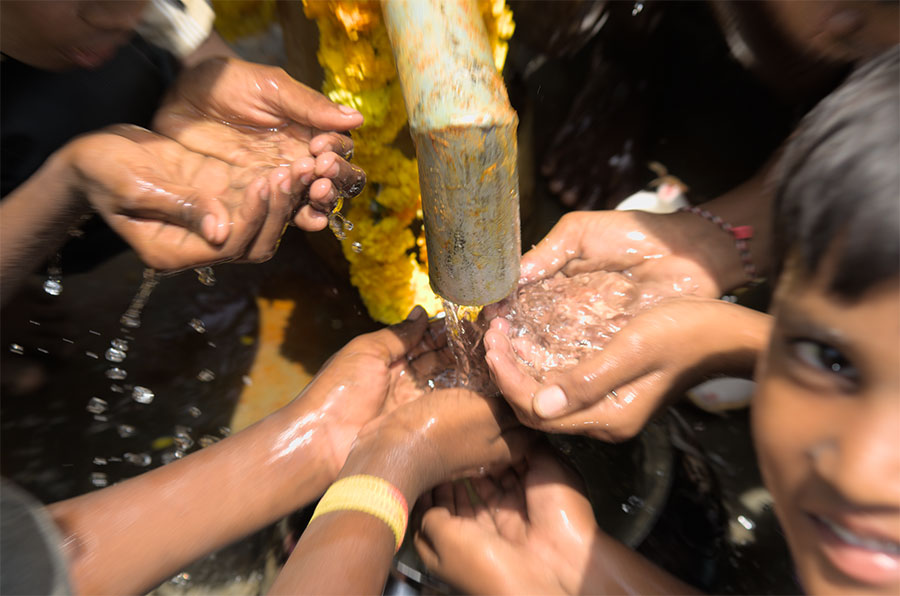
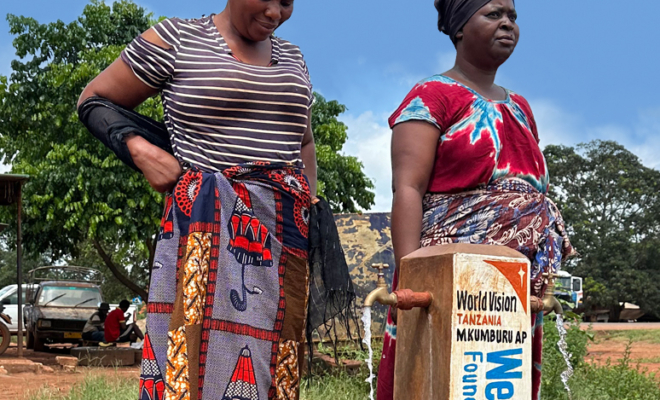
Wherever investment is made in essential services, communities respond, strengthen and generate development. The challenge now is to turn that evidence into public policy. © Carlos Garriga
Water is a driver of agricultural employment
Investment, coordination and political will are the engines of these improvements. It is a context very similar to that of agricultural investment. The World Bank report notes that 40% of employment in developing countries is in agriculture, yet only 10% of small farmers have access to financing. To correct this gap, the institution will double its annual investment in the sector to 9 billion dollars.
Agriculture is, in essence, a water-dependent sector. Without water, there is no productivity, no food security, no rural employment. Every dollar invested in efficient irrigation, basin management or water storage has a multiplier effect on the economy and on social stability. If the world is willing to double agricultural investment, it should also be willing to finance the resources that make it possible. The difference is that, in water and sanitation, that momentum has not yet reached the necessary scale. Why?
Experts from the World Meteorological Organisation (WMO) and IPCC spokespersons already pointed out at COP 26 in Glasgow that attention to the water cycle had been overshadowed by the debate on greenhouse gas emissions. They stressed that it was essential to apply science, technology, and education to water management to understand and anticipate its impacts.
In this sense, as many specialists have noted, the tangible evidence of climate change has contributed to international awareness of an irrefutable fact: water is at the root of all problems and, consequently, of all solutions. Curbing greenhouse gas emissions is crucial, but preserving the water cycle is essential and even more urgent, given the immediacy with which the consequences of droughts, floods, and the degradation of water ecosystems manifest.
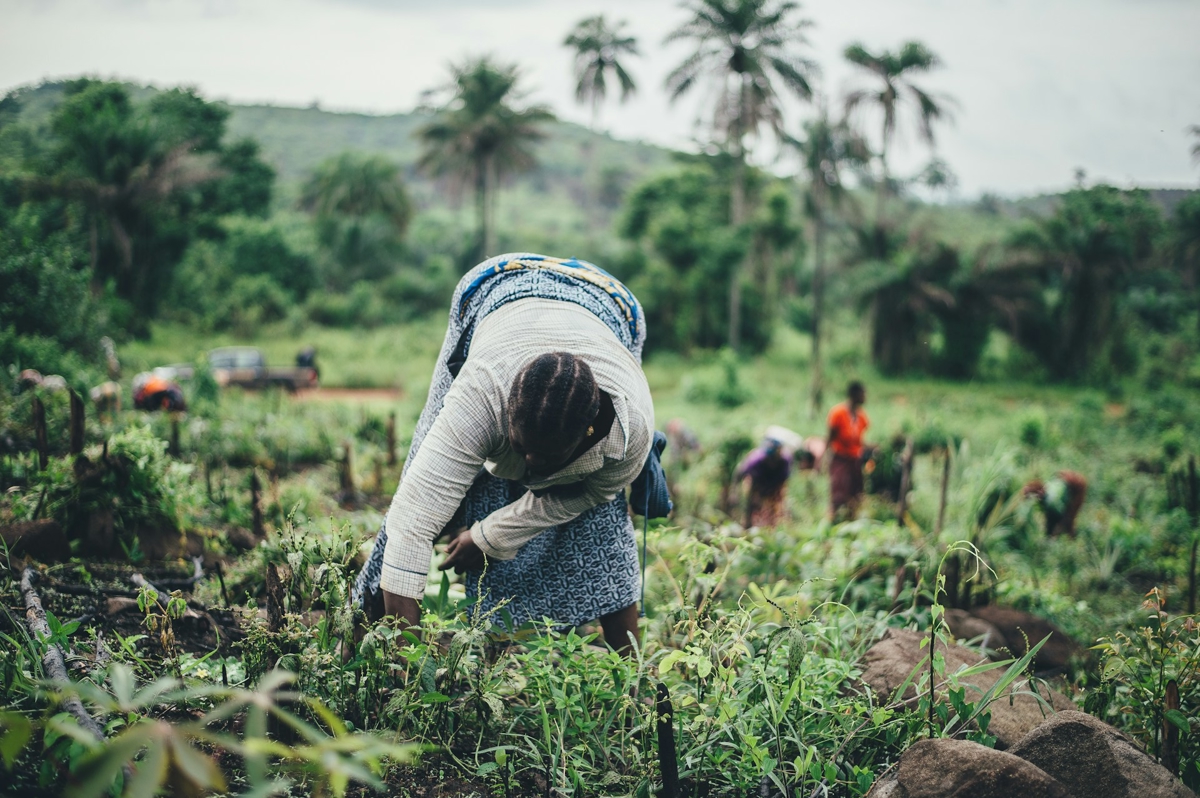
Agriculture is, in essence, a water sector. Without water, there is no productivity, no food security, and no rural employment. ©Annie Spratt/unplash
Health: water, the first line of defence
In addition to investments in community sanitation and hygiene, the World Bank has set itself an ambitious goal: to bring quality primary care to 1.5 billion people by 2030. So far, 375 million have been reached, a slow but steady evolution.
However, health begins long before reaching a health centre. It begins with the water people drink and with the available sanitation and hygiene conditions. WHO again highlights evidence closely linked to climate change: 50% of preventable diseases worldwide are related to water and sanitation.
This is perhaps one of the most conclusive findings we have confirmed over more than 15 years of work against open defecation, improving school sanitation, and supporting hygiene, especially among women and girls. A recent example that synthesises these lessons is the pilot project we launched in Liberia with UNICEF, which incorporates demand-based approaches and private-sector participation. The aim is to broaden vision and action within the socio-economic fabric itself, with the decisive participation of women throughout the process.
Investing in water, sanitation and hygiene not only improves health: it reduces healthcare costs, increases productivity and frees up time — especially for women and girls — for education and employment.
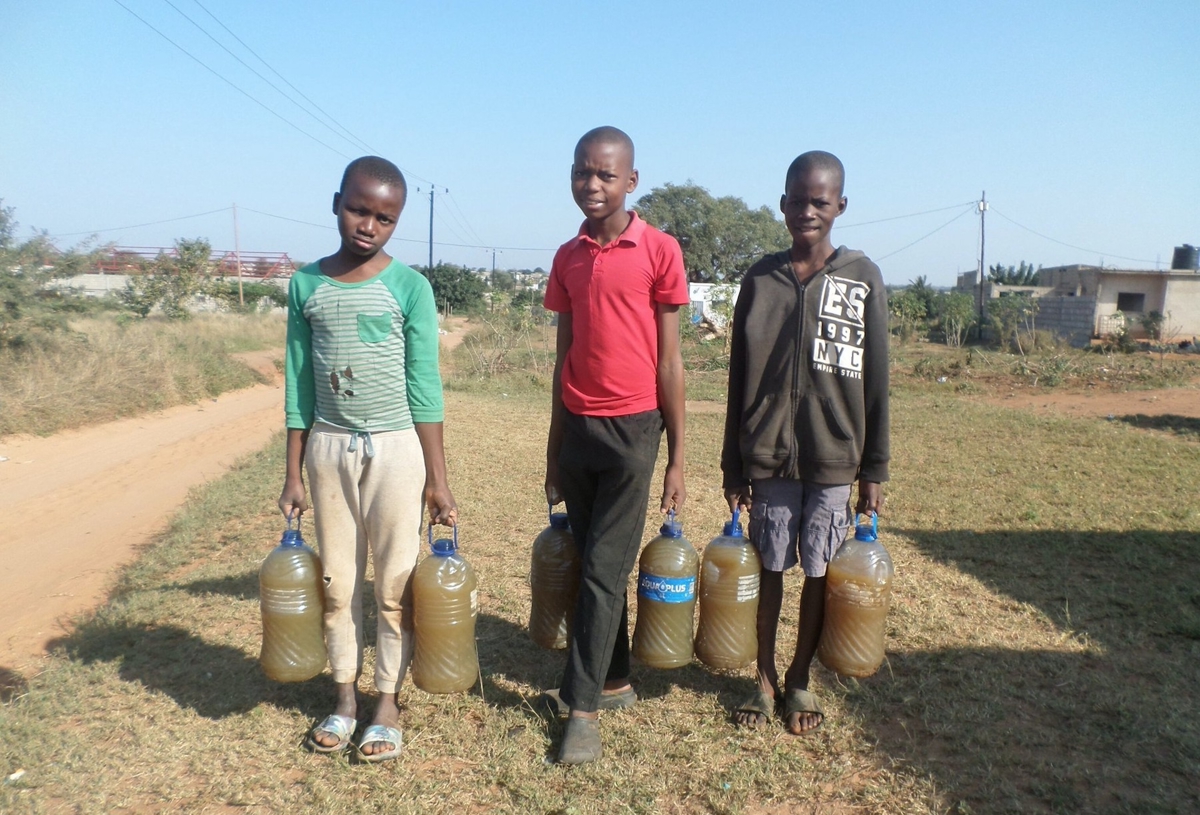
Health begins long before reaching a health centre. It begins with the water people drink and with the available sanitation and hygiene conditions. © Emidio Monjane/WMO
Water, the raison d’être of tourism that cares for the territory
The global tourism sector reached 357 million jobs in 2024, and a further 91 million are projected for 2035. No tourist destination can prosper without safe water, adequate sanitation and healthy ecosystems. In this regard, the World Bank highlights the steady progress of sustainable tourism and its ability to boost local economies and promote a more equitable distribution of wealth.
Our experience in initiatives such as Let’s make a deal and the Walkathons confirms this good news: sustainable tourism plays a valuable role as an agent of social responsibility that goes beyond infrastructure. Its impact is amplified when the values of guests — environmental awareness, shared responsibility, respect for resources — are transmitted to host communities and integrated into their daily lives.
Data that confirms progress
Water is not only a human right: it is a strategic economic asset. We have repeatedly pointed out that water is the invisible infrastructure that supports all the others. And yet, despite its growing recognition, it remains underfunded.
Progress has been made, but the data are still unsatisfactory. The investment gap in water and sanitation remains enormous, and the needs to meet SDG 6 far exceed current flows. Even so, there is an important development: the evidence that investment works is accumulating.
The 2024 JMP update, which we have already mentioned, provides a perspective that supports optimism. Although progress is slow, the trend is positive. Between 2015 and 2024:
- Global access to safely managed drinking water increased from 68% to 74%.
- 961 million people gained access to safely managed drinking water services, with much of the progress occurring in recent years.
- A notable decline in the use of surface water is observed: 106 million people still depend on these sources, but this is 61 million fewer than in previous cycles.
- 1.2 billion people gained access to safely managed sanitation between 2015 and 2024, with particularly visible progress in the last two years.
- Global coverage of safely managed sanitation rose from 48% to 58%.
Open defecation has fallen dramatically: 354 million people still practise it, but that is 429 million fewer than in previous years. In urban areas, it is practically eradicated.
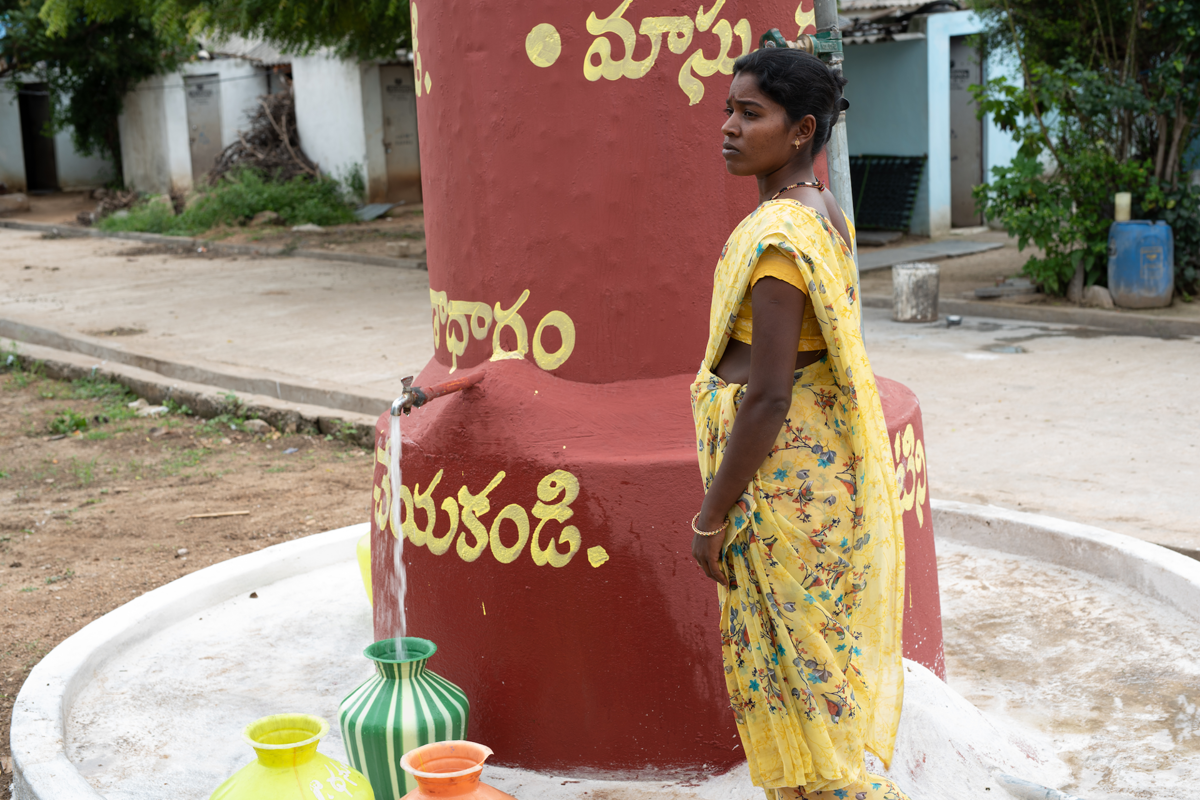
Water is not only a human right: it is a strategic economic asset. We have repeatedly pointed out that water is the invisible infrastructure that supports all the others. © Carlos Garriga
Turning resilience into public policy
We are making progress, and doing so faster than many models predicted a decade ago. The World Bank report does not hide the risks — debt, inequality, accelerating climate change, prolonged conflicts — but it does show that there is room for action.
In a context of uncertainty about the future of international cooperation, the data are clear: well-directed investments generate employment, stability and growth. Public–private cooperation works, and innovation accelerates processes that once seemed immovable.
Resilience does not arise on its own: it is built. And it is built on public policies that prioritise the essential, broad alliances, and investments that look beyond the short term. Because if we want stronger economies and safer communities, the answer begins there: placing water at the heart of the public agenda.