
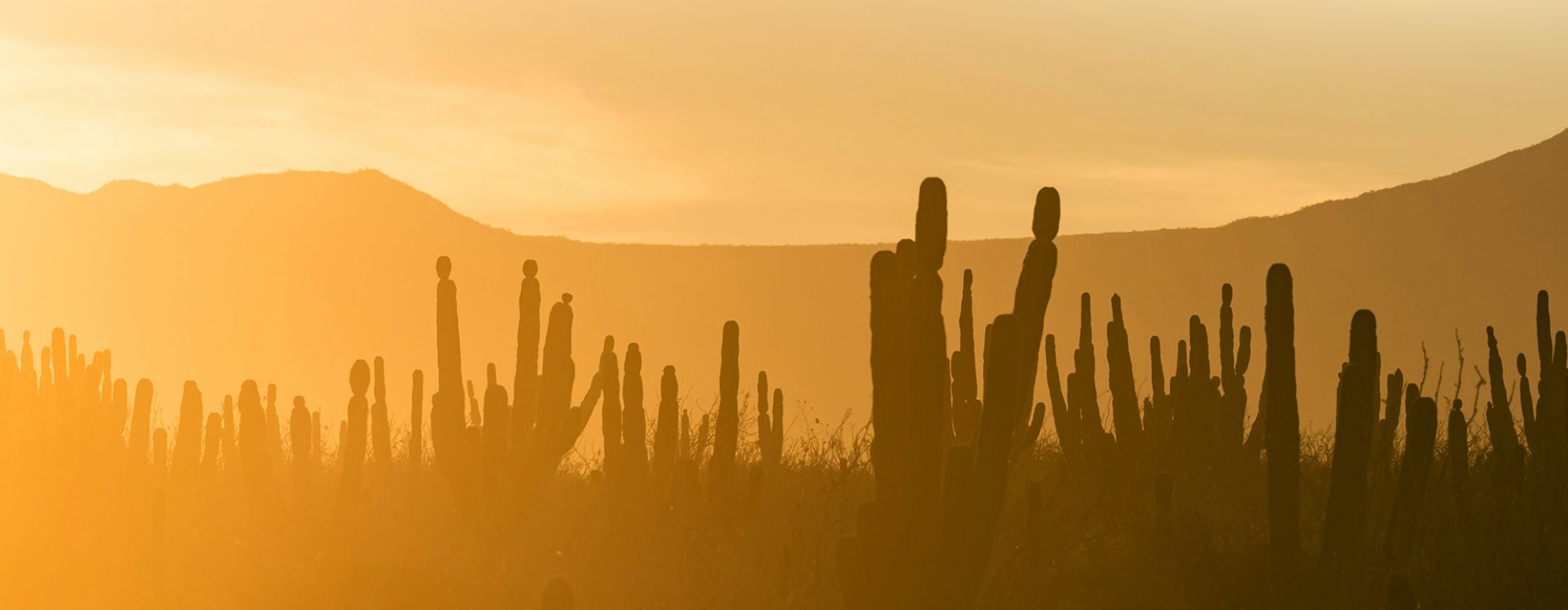
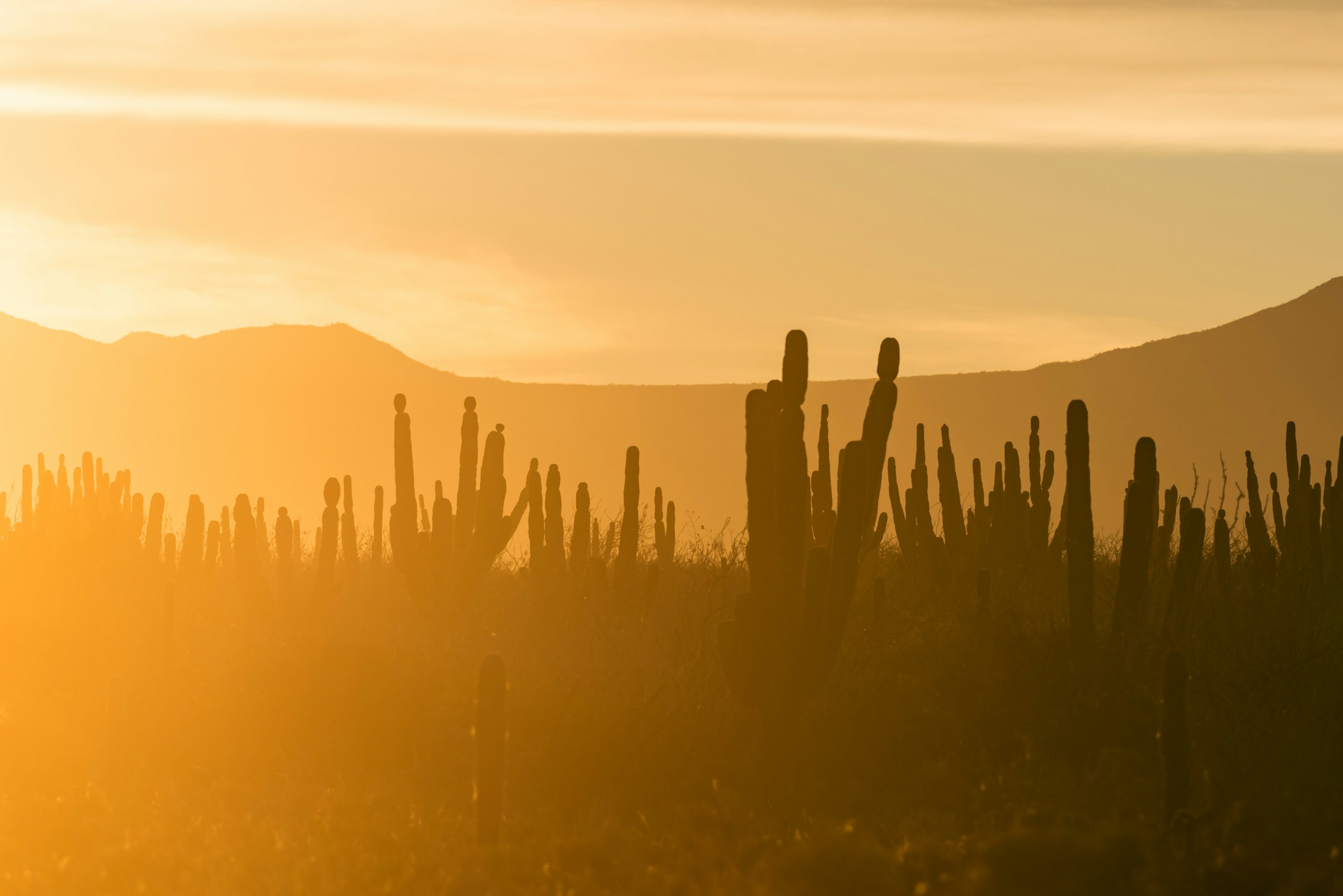
The project we are carrying out in Los Cabos highlights one of the great challenges of our time: the growing water stress in arid regions. © Marcus-woodbridge-unsplash
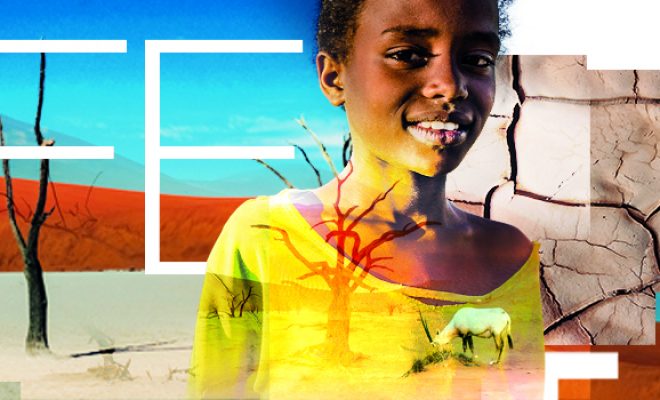
Many factors contribute to the complexity of water access in the world’s arid and semi-arid regions. Of the 129 projects we have implemented in 41 countries, 27 have directly addressed the challenges faced by communities living under chronic water stress. From India and Mexico to Colombia’s La Guajira, Brazil’s Sertão, Ethiopia and Ecuador, we have worked in territories where water demand exceeds nature’s capacity to replenish available resources. While each region has its own particular circumstances, they all share the same concern: the progressive intensification of water stress driven by climate change.
The higher the level of water stress, the more vulnerable a region is to drought. A country already living under water stress that experiences an unusually severe drought may face the collapse of agriculture and livestock production, urban water shortages, disruptions to energy generation, or all three at once. Recurring drought-triggered famines across the Sahel and the Horn of Africa starkly illustrate this reality.
Aquifers Under Pressure Across the Baja California Peninsula
The Baja California Peninsula is one region where this situation has been evident for decades. Its aquifers show clear signs of overexploitation: more water has been pumped from them than is naturally replenished through rainfall and infiltration, leading to falling groundwater levels and increasing pressure on future water availability.
The Mexicali Valley aquifer, for example, is being exploited far beyond its natural recharge capacity. In several agricultural areas, groundwater levels have been documented to decline by as much as 0.5 to 1 metre per year. The region also depends partly on the Colorado River basin, which has been affected by persistent drought in recent years.
More than 1,000 kilometres away, in the community of Los Cabos at the peninsula’s southern tip, the situation is similar. The municipality relies heavily on the Cabo San Lucas aquifer, a 515 km² hydrogeological unit under growing pressure from rising demand. Increasingly high temperatures and declining rainfall have reduced its natural groundwater recharge, further limiting water availability.
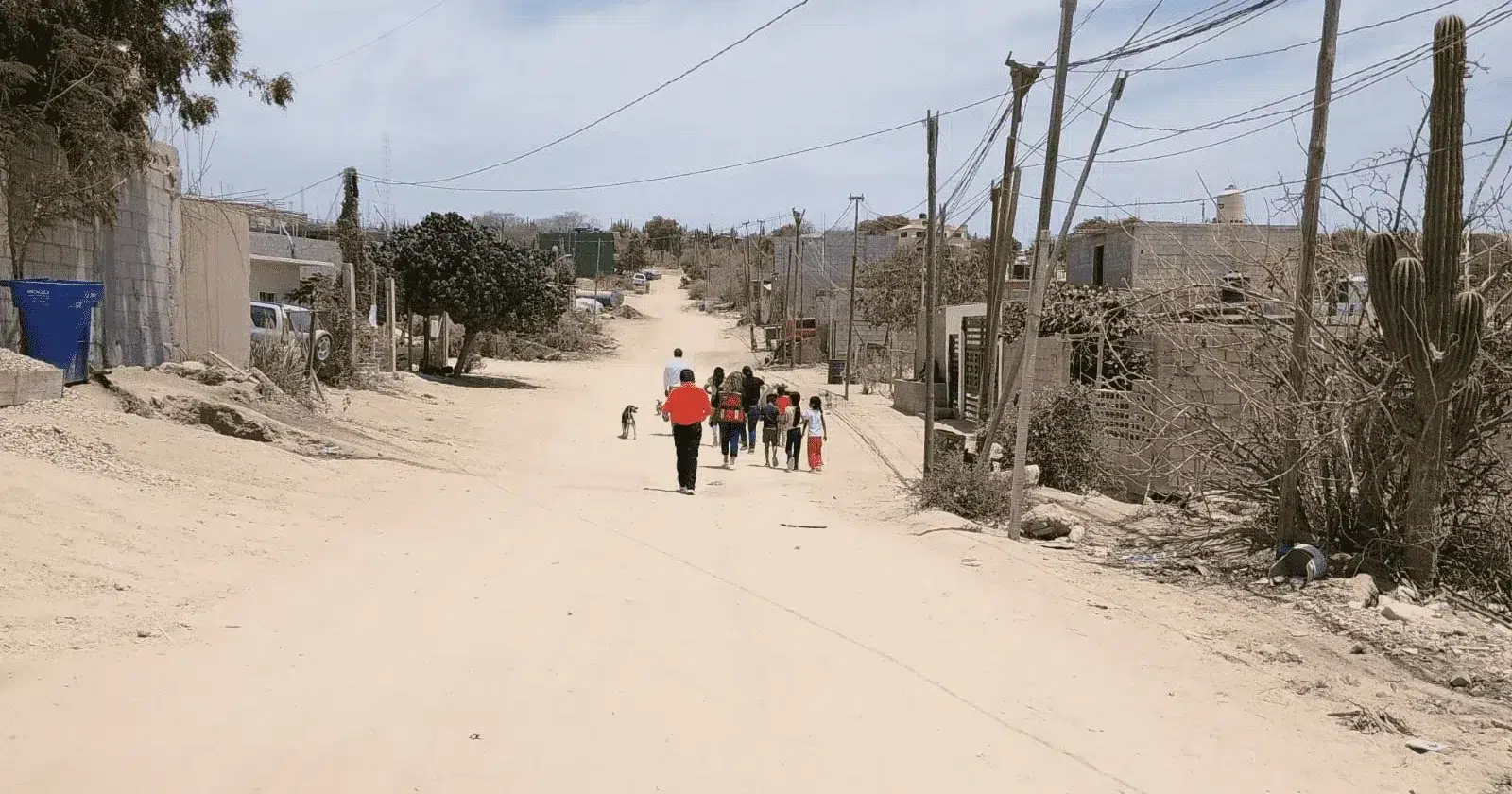
The higher the level of water stress, the more vulnerable a region is to drought. The Baja California Peninsula is one region where this situation has been evident for decades.
Not Climate Change Alone: Infrastructure Matters Too
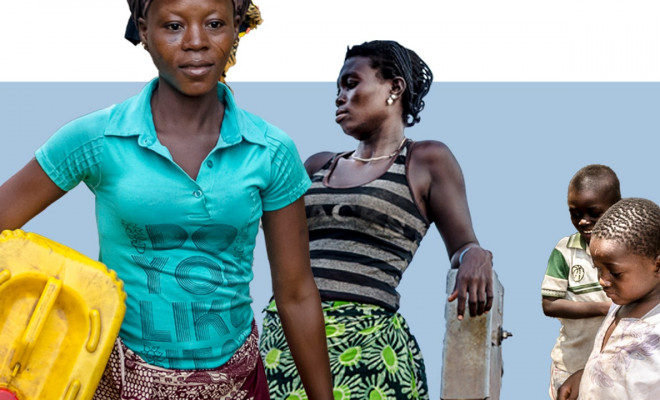
In Cabo San Lucas, we launched a project to secure reliable water access for more than 1,200 families who currently receive water only intermittently, with significant inequalities between neighbourhoods and high tariffs for inadequate service. In the municipality’s peri-urban settlements, the available supply stands at 450 litres per second (l/s), meeting less than half of the estimated demand of 1,000 l/s and leaving a structural deficit of around 600 l/s. Aquifer depletion has led to the progressive closure of wells, leaving more than 40 communities without a reliable water supply.
Many households now depend on water tankers for their daily needs. Formal supply infrastructure is largely absent, while existing facilities are often inadequate: deteriorating wells, ageing pumping systems and insufficient storage capacity. Sanitation relies on septic tanks, which are frequently used improperly due to water shortages, resulting in poor hygiene conditions.
Community participation begins with topographical surveys and defining the system’s technical requirements. We then provide the materials and supplies needed to build water storage and distribution infrastructure, as well as the equipment required to pressurise the network and bring water directly to households.
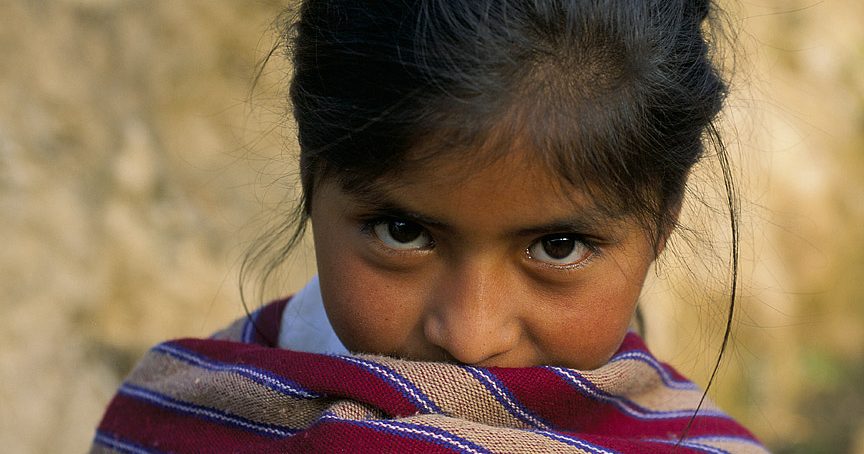
In Cabo San Lucas, we launched a project to secure reliable water access for more than 1,200 families who currently receive water only intermittently, with significant inequalities between neighbourhoods and high tariffs for inadequate service. © Curt Carnemark / World Bank
The Voice of Responsible Tourism
For decades, tourism has profoundly transformed coastal destinations such as Los Cabos. Today, thanks to its reach and visibility, the tourism industry is emerging as a powerful force for raising awareness and promoting fairer water management. Its contribution to social responsibility extends beyond sustainable water infrastructure to the millions of people who use it.
Eight years ago, we began working with Hilton Grand Vacations through the Let’s Make a Deal for Water and Sustainability initiative. This project marked a turning point in involving guests in responsible water use. That experience later evolved into the Walkathons for Water, fundraising walks that combine awareness-raising with direct support for water projects. On routes of between four and six kilometres, participants cover a distance comparable to what millions walk every day in search of water. The initiative’s motto captures its spirit perfectly: “For every kilometre you walk, someone else will walk one kilometre less in search of water.”
Since then, we have organised 43 Walkathons and, by the end of the current season, that figure will have reached 63. This year alone, we have scheduled 20 walks across eight countries, with only four events still to take place. Two of them will be held this week in Mexico: one at Hilton Vacation Club Cabo Azul Los Cabos, in Baja California Sur, and the other at Hilton Grand Vacations Club Zihuatanejo, in the state of Guerrero.
Although these destinations have very different climates, they share a common purpose: mobilising travellers and local communities to turn solidarity into projects that improve access to water and sanitation.
With this year’s edition, Walkathons for Water has helped finance 13 projects in India, Colombia, Tanzania, Romania, Moldova, Ukraine, Madagascar, Morocco, Indonesia, Guatemala and Mexico, including the project currently underway in Los Cabos, thanks to donations from participants.
Ambassadors for Arid Lands
In arid regions such as the Baja California Peninsula, where climate change is increasing pressure on already limited water resources, awareness has become essential to the solution. The Walkathons demonstrate that travellers can play a role that goes far beyond tourism. By gaining first-hand insight into water challenges and helping to fund practical solutions, participants become ambassadors for a reality that affects millions of people.
Because guaranteeing access to water depends not only on infrastructure and technology. It also requires informed, committed citizens who can carry this global challenge far beyond the regions where its impacts are most severe.
Today, around two billion people, roughly a quarter of the world’s population, live under conditions of water stress. What is happening in Baja California is not an isolated case but a warning of what may occur in many arid regions when climate change, aquifer overexploitation and inadequate infrastructure combine. Yet it also shows that vulnerability is not determined by climate alone. A lack of investment, maintenance and effective management can greatly worsen existing challenges. Conversely, even relatively modest interventions can bring lasting improvements to the lives of the most vulnerable communities.
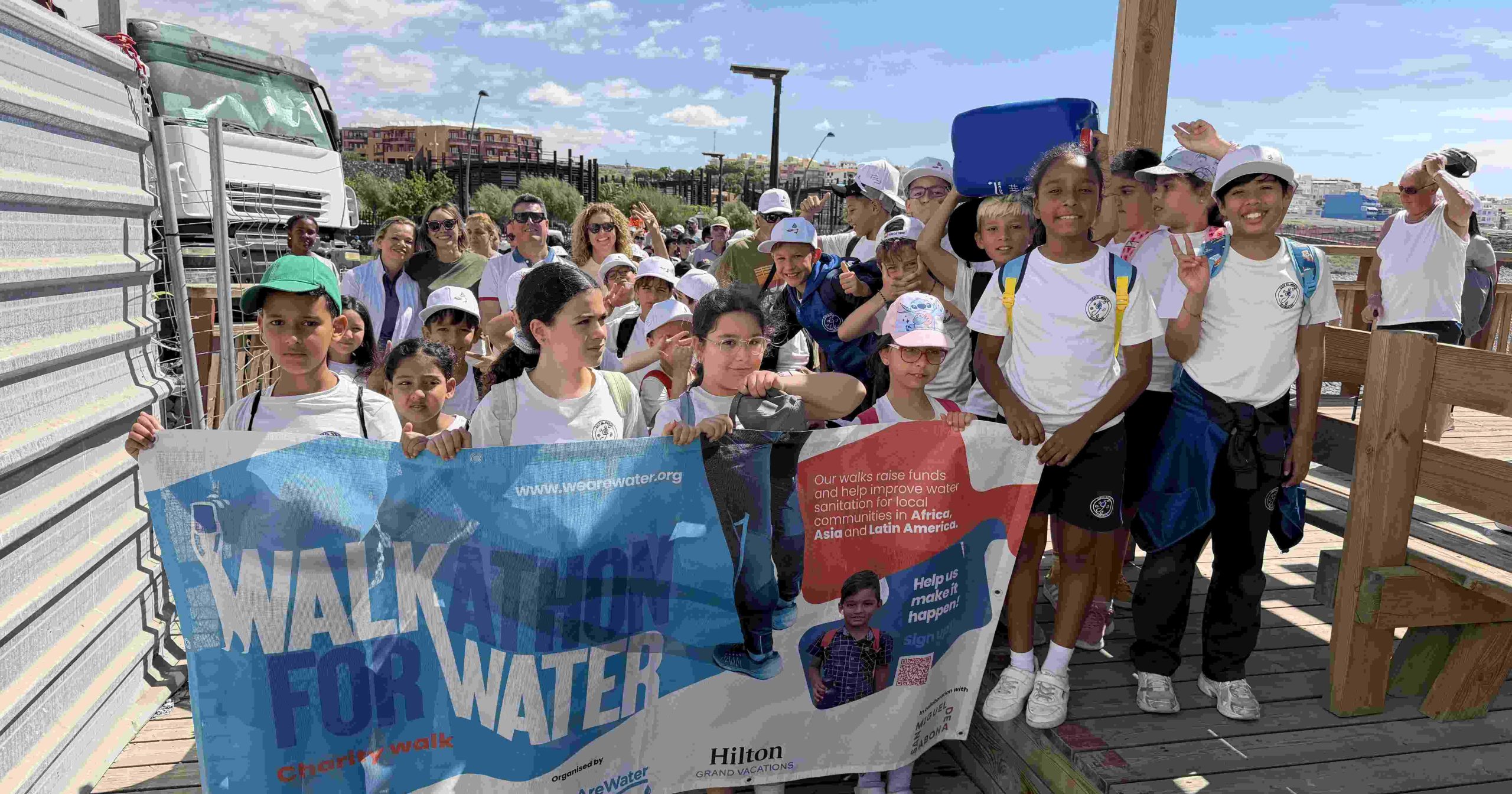
The Walkathons demonstrate that travellers can play a role that goes far beyond tourism. By gaining first-hand insight into water challenges and helping to fund practical solutions, participants become ambassadors for a reality that affects millions of people.