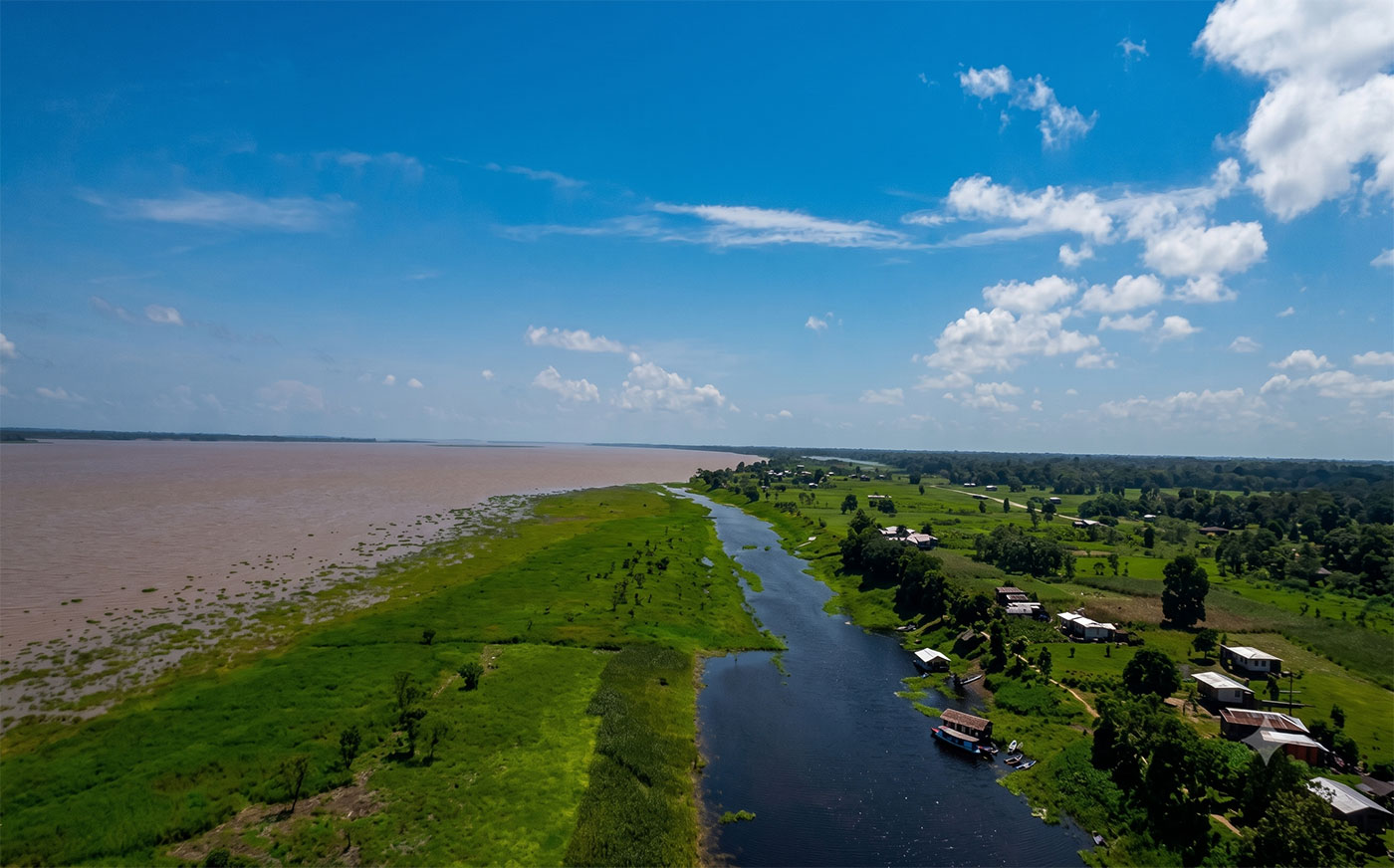
Tabatinga, Alto Solimões, state of Amazonas, Brazil
In collaboration with
August 2026 – August 2027
We install portable handwashing sinks in five schools and train their communities in operation and maintenance. We promote a culture of hygiene and responsible water use.
Objectives
- Improve the quality of life of pupils in public schools in the municipality of Tabatinga through adequate hand hygiene practices.
- Increase access to water and hygiene products.
- Raise awareness and train teachers and students in the correct use of water and in the prevention of waterborne diseases.
Beneficiaries
1,407 direct
1,298 children under 15 and 1,150 women.
Students, teachers and volunteers from the five educational centres of the Tabatinga Area Development Programme (ADP).
6,490 indirect
The school community and the families of the participating girls, boys and adolescents.
On the ground
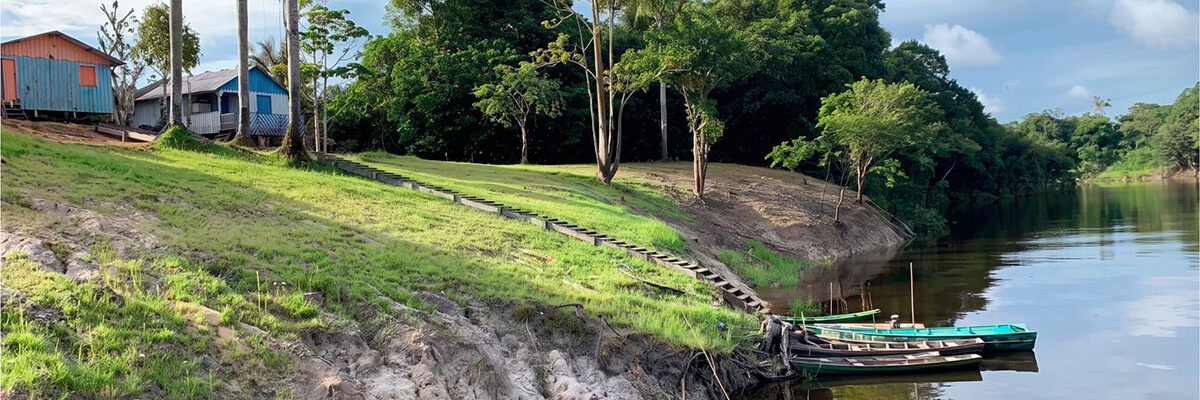
Schools face critical deficits in water, sanitation and hygiene. Isolation and cross‑border pressure create recurrent risks of waterborne diseases.
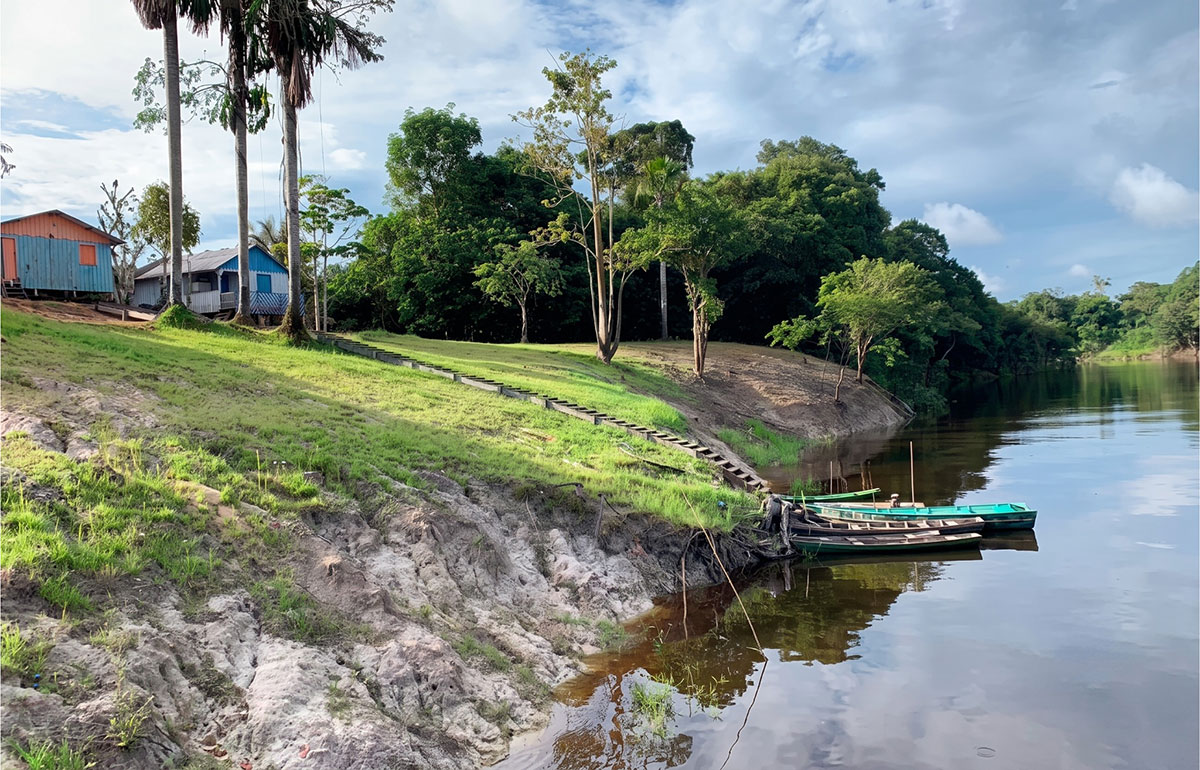
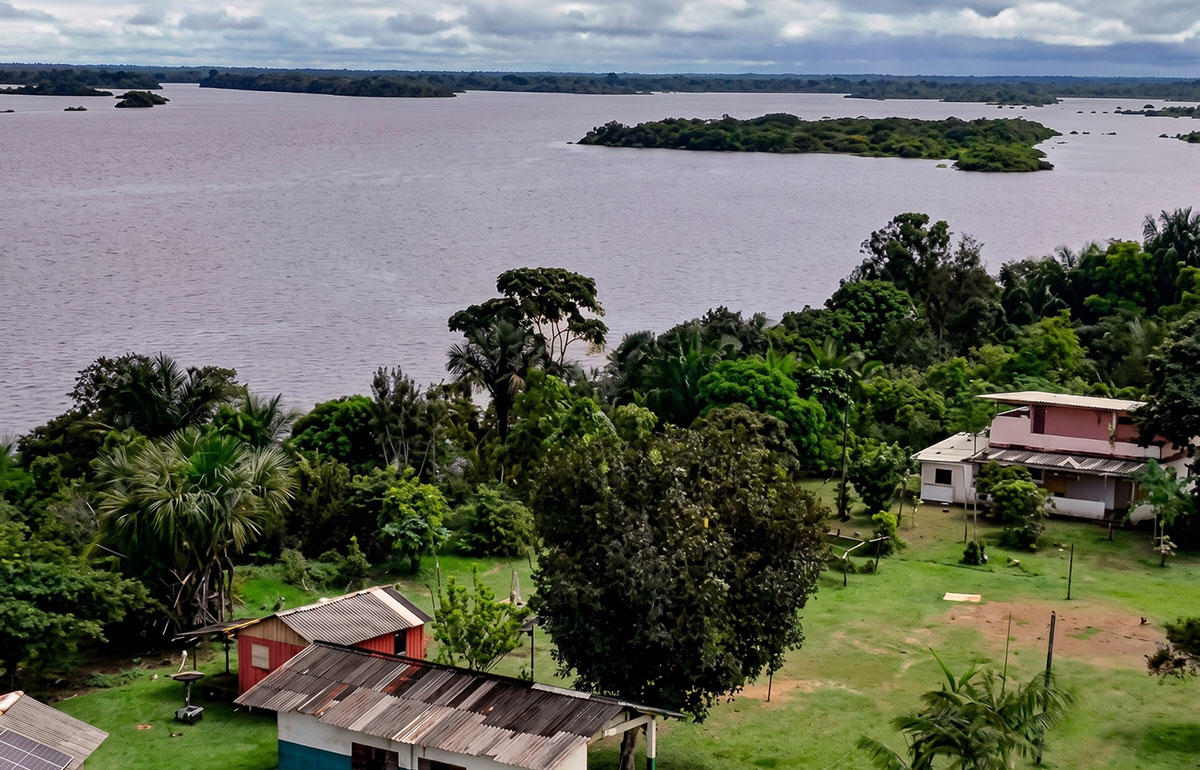
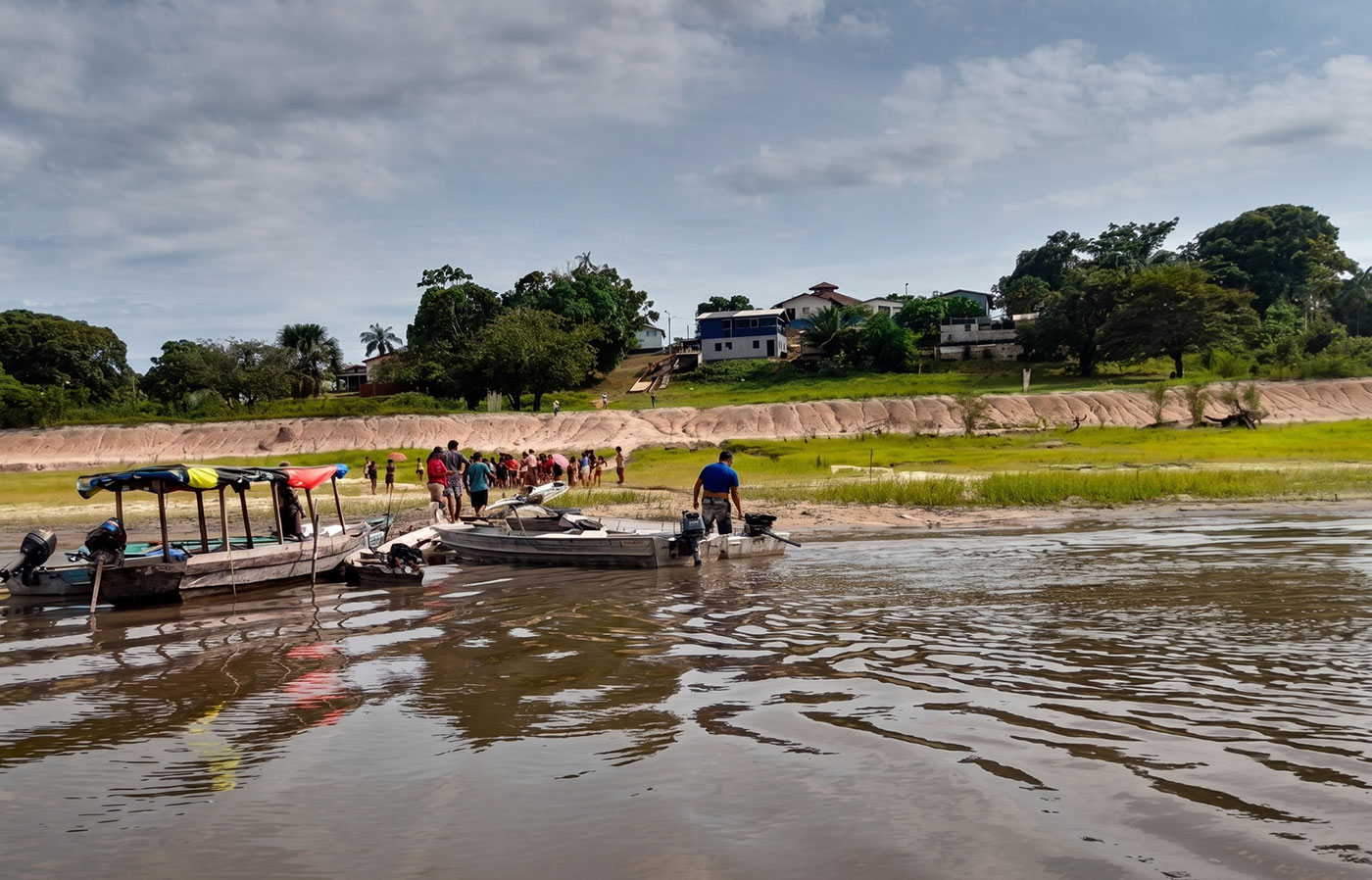
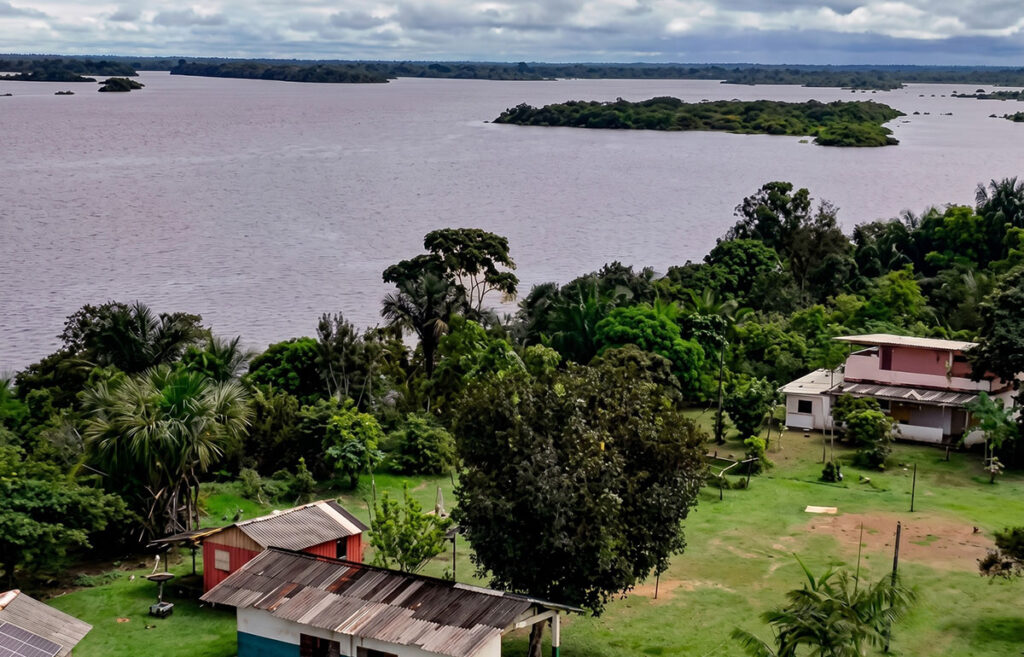
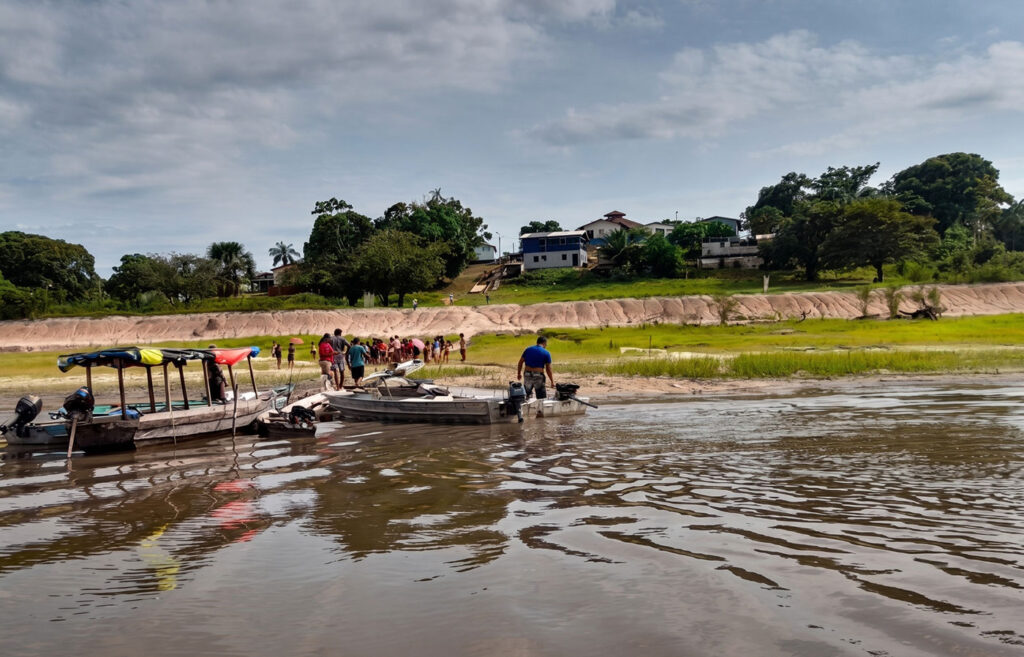
Tabatinga, a municipality of around 73,000 inhabitants, is located at the triple border between Brazil, Colombia and Peru, and therefore presents cross‑border population dynamics that place pressure on the demand for basic services. Its location in the westernmost part of the state of Amazonas, accessible only by air or river, generates extreme isolation and limits the institutional capacity of the local government, which operates with fiscal constraints and limited public infrastructure.
The population is predominantly indigenous — seven ethnic groups that move between urban centres and riverside communities — and faces structural challenges linked to poverty, inequality and the absence of essential services.
The region’s climatic conditions, marked by heavy rainfall and seasonal flooding, deteriorate existing water and sanitation systems and increase the vulnerability of public schools. Climate change has generated notable alterations in river flows that hinder daily life, create transport problems, worsen sanitation conditions and make access to water more difficult.
Field assessments carried out over more than two decades have documented critical deficits in access to clean water across the educational network, especially in the communities of Xingu, São Jorge, Umariaçu and Benjamin Constant. Most schools lack adequate water supply and sanitation systems, and extreme weather conditions accelerate the deterioration of infrastructure. This situation increases public health risks: the lack of safe water raises the incidence of waterborne diseases — diarrhoea, cholera and typhoid fever — which increase school absenteeism, worsen malnutrition and, in the most severe cases, endanger the lives of children.
These shortcomings directly affect learning outcomes, particularly among indigenous and vulnerable populations who constitute the majority of pupils in the target schools.
The added value of the project lies in World Vision’s long‑standing operational presence in the territory. The Tabatinga Area Development Programme has been active for more than 25 uninterrupted years, generating community trust, strong local networks and a full understanding of real needs. This trajectory makes it possible to identify viable solutions in a context where almost no water‑related projects are implemented, especially in border areas. In addition, the organisation has proven experience in installing and operating portable sinks in the Amazon region, acquired during previous interventions in the COVID‑19 pandemic.
In detail
The installation of portable handwashing sinks in schools in the Amazon region generates a significant positive impact. These units enable the conscious and sustainable use of water, do not require complex infrastructure and do not generate high costs or waste, making them an effective solution adapted to the structural limitations of the Amazon.
The intervention builds on the organisation’s consolidated institutional presence in the territory, its stable relationships with local educational authorities and its detailed knowledge of community vulnerabilities.
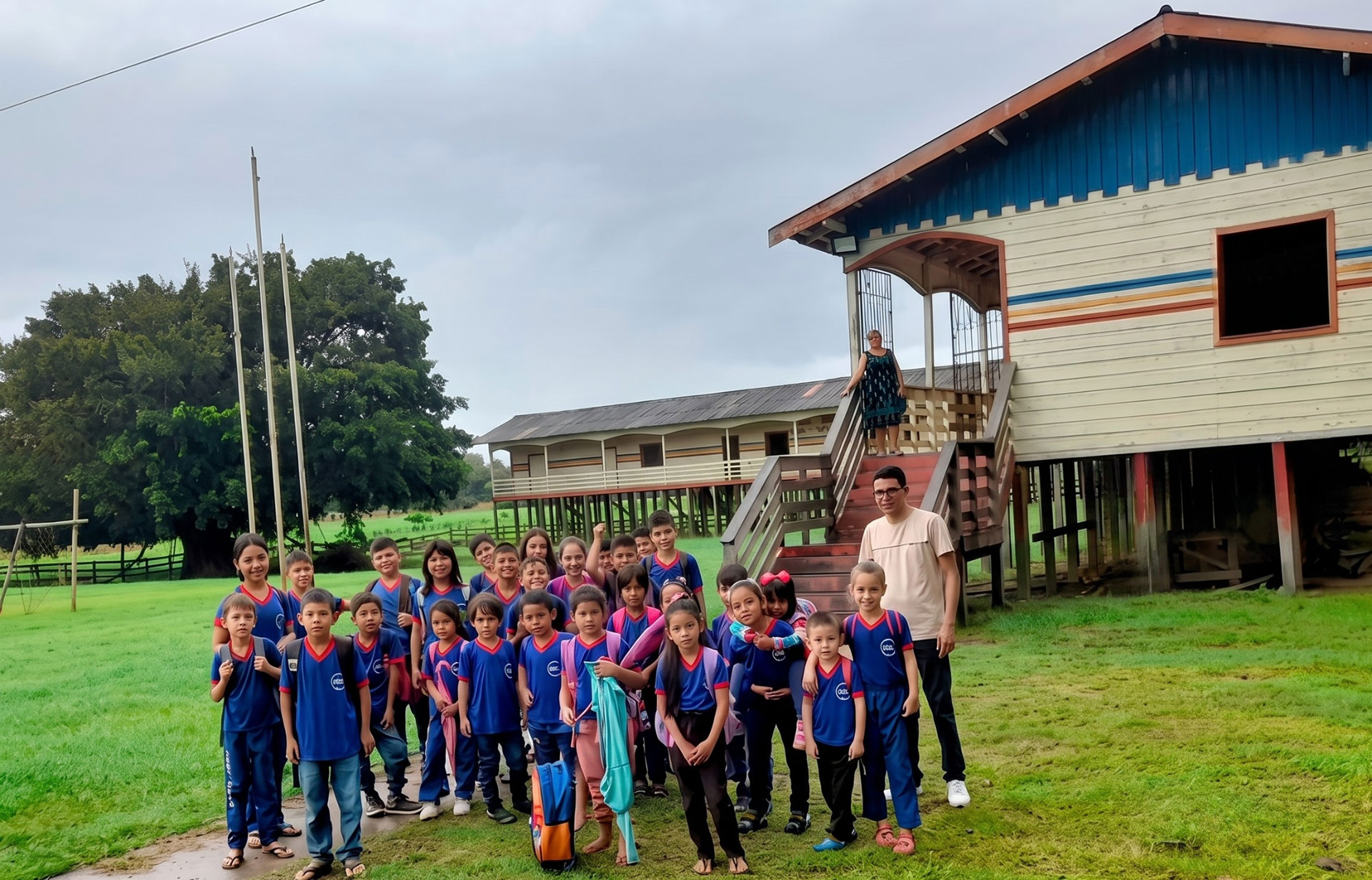
Five educational centres were identified through a pre‑selection process based on field assessments and ADP baseline data: Escola Luis Soares (Xingu, 255 students, 22 teachers); Escola Suely Peixoto (São Jorge, 292 students, 33 teachers); Reforço Escolar Wesleyana (Umariaçu, 150 students, 3 volunteers); Escola Sofia Barbosa (Benjamin Constant, 351 students, 36 teachers); and Escola Indígena De’reecu – Bom Caminho (Benjamin Constant, 250 students, 15 teachers). These educational units receive portable sinks, ensuring that 1,298 students and 109 educators have sustained access to clean water for hygiene purposes.
Capacity‑building activities complement the installation of infrastructure and the provision of materials. The school community receives technical training to operate and maintain the portable sinks, ensuring their functionality and prolonging their lifespan. Likewise, we deliver workshops focused on the conscious and correct use of water, as well as disease prevention.
The project is based on a comprehensive approach that combines infrastructure, supplies, training and awareness‑raising. This combination makes it possible to address material gaps and hygiene practices simultaneously, creating a safer and healthier school environment. The intervention aligns with local public health priorities and, by strengthening the capacities of teachers, students and families, contributes to building a school culture that values hygiene, reduces health risks and improves learning conditions.
Project activities
- Validation and final assessment of the five pre‑selected schools for the installation of portable sinks.
- Installation of portable sinks and delivery of hygiene materials.
- Training of the school community on the operation and maintenance of portable sinks.
- Workshops on the conscious and correct use of water.
Methodology
The methodology combines the active participation of local partners, the installation of hygiene infrastructure and an educational component aimed at behaviour change. The project is carried out in coordination with public schools and the Social Assistance Reference Centres (CRAS).
Schools are responsible for the daily operation, maintenance and monitoring of the portable sinks, ensuring the sustainability of the intervention.
Implementation is structured around two complementary specific objectives:
- Installing portable sinks in the five public schools. This model was successfully used in the Amazon region during the COVID‑19 pandemic and proved to be an effective, economical and easy‑to‑install and maintain solution. Each unit is built with a vertical structure of recycled wood that integrates a sink with tap and accessories for detergent and paper towels. At the back, it incorporates a tank that is manually filled with clean water twice a day, depending on demand. Each tank allows approximately 75 handwashes, equivalent to 2,250 monthly washes per unit. With ten sinks distributed across the five schools, total capacity over six months reaches 135,000 washes, a significant coverage in contexts where access to safe water is limited.
- Strengthening knowledge and hygiene practices. Sessions for students, teachers and families on the conscious and correct use of water, the operation and maintenance of the sinks and the prevention of waterborne diseases. This educational component reinforces the installed infrastructure and promotes sustainable habits that reduce disease transmission, improve school health and contribute to a safer educational environment.
The combination of accessible infrastructure, community participation and evidence‑based training constitutes the main methodological advantage of the project. This integrated approach makes it possible to respond to real territorial needs, facilitates local ownership and maximises impact on health and education.

Sustainability prospects
The sustainability of the project is based on the low investment required to install, operate and maintain the sinks, as well as on their high durability and adaptation to Amazonian conditions. These devices do not require electricity or fuel, and their maintenance is limited to regular cleaning, refilling the soap dispenser and changing the water daily. Various models are available, making it easier to select the most appropriate technology for each school and for the limitations of the territory.
In a context where many communities in Alto Solimões lack piped water systems, portable sinks offer an accessible and effective solution to ensure handwashing in the most vulnerable schools. Their rational use of water avoids waste and does not generate high costs, reinforcing their long‑term viability.
The participation of school communities and local partners is a central component of sustainability. The CRAS accompany families in situations of vulnerability and coordinate socio‑educational actions. Both the CRAS and the schools receive specific training on the operation, maintenance and monitoring of the sinks, ensuring that they can manage them autonomously once the project is completed. Training on the correct and conscious use of water complements the installed infrastructure and promotes lasting habits, strengthening local ownership and the continuity of the handwashing system over time.